What Happens When Battery Backup Reaches Its Discharge Limit?

When a battery reaches its discharge limit, the system stops drawing energy from the battery to protect its operation and preserve the remaining reserve. For a household, this may mean lights going out, appliances switching off or selected circuits losing power. The exact response depends on the battery management system, inverter settings and backup configuration. Understanding this transition helps homeowners plan energy use, interpret battery indicators and prepare a reliable route to restoring power before stored energy runs out.
What Happens Inside the Battery at Its Discharge Limit?
The Battery Management System Controls the Final Stage
A battery does not simply deliver electricity until every trace of stored energy disappears. Its battery management system monitors conditions such as voltage, temperature and current, then communicates with the power electronics to keep operation within defined limits. As the state of charge falls, the system may display a low-battery warning or trigger a configured reserve threshold. At the lower operating boundary, it restricts or stops discharge to protect the battery cells. The precise cutoff depends on the battery design and control settings. For homeowners, the key point is that the displayed percentage represents an estimate of remaining energy, while the system’s operating limits determine when discharge must stop.
Connected Appliances Respond to the Power Transition
When a backup system reaches its discharge limit, the immediate effect depends on which loads it supplies and how the electrical system manages the transition. Lights may turn off, routers may disconnect, and appliances may stop their current cycles. Equipment without internal backup power generally loses its supply when the supported circuit is no longer energized. Some devices may restart when power returns, while others require manual intervention. A properly configured whole-home system coordinates power delivery across the supported electrical panel, but it cannot supply energy once the battery stops discharging unless another source takes over. Understanding which circuits matter most helps households decide what to keep running as available energy declines.
Reserve Settings Determine When Backup Power Ends
Many battery backup systems allow users or installers to configure a minimum state of charge. This reserve can preserve energy for essential loads or accommodate a specific operating strategy. For example, a homeowner might retain some stored energy for overnight lighting, communications and refrigeration instead of drawing the battery down during the early evening. The reserve is different from the battery’s absolute operating limit: the system may stop supplying ordinary loads at the configured threshold while energy remains stored. Settings vary by product, so check the manufacturer’s instructions before changing them. A practical reserve reflects the household’s priorities, expected outage duration and access to alternative charging sources.
How to Extend Backup Before the Battery Runs Out
Match Energy Consumption to Available Capacity
The simplest way to estimate how long backup will last is to compare usable battery energy with the average power consumption of connected devices. Divide usable capacity in kilowatt-hours by the average load in kilowatts to estimate runtime in hours. For example, a battery with 12 kWh of usable energy supplying a steady 1 kW load would theoretically run for 12 hours before accounting for conversion losses and other operating factors. Actual runtime varies with load changes, system efficiency and environmental conditions. High-demand appliances can consume energy quickly, so identify which devices must remain powered and reduce discretionary loads when an outage lasts longer than expected.
Recharge Through Solar or a Compatible Generator
A discharge limit does not have to mark the end of backup if the system supports another charging source. Solar generation can replenish stored energy when sunlight and system conditions permit. A compatible generator can provide another route to recharging during prolonged outages. The timing depends on available charging power, battery capacity, household consumption and weather. The Anker SOLIX E10 Whole-Home Backup supports solar input of up to 9 kW per E10 unit and compatible Smart Generator charging. Its design allows households to combine battery storage with additional energy sources, subject to system configuration. To make this strategy effective, plan charging around essential loads rather than assuming every watt produced will go toward replenishing the battery.
Size the System for the Outage You Need to Cover
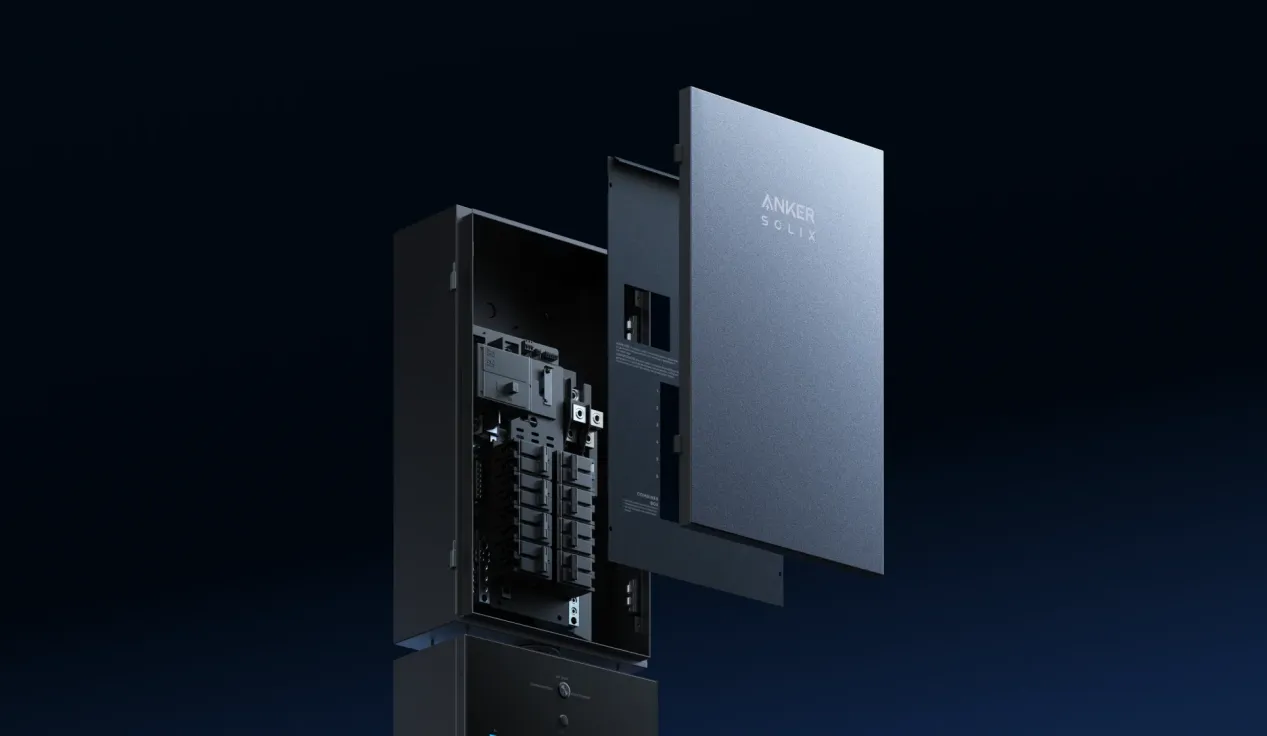
Battery capacity determines how much energy the system stores, while inverter output determines how much power it can deliver at a given moment. Both figures matter when planning a longer outage. A system may have sufficient stored energy for several hours but still need suitable output capability to start demanding equipment. The Anker SOLIX E10 supports 7.68 kW of continuous output with batteries and 10 kW of turbo output for up to 90 minutes with two batteries. Its B6000 battery modules provide 6.144 kWh each, with capacity expandable to 30 kWh per E10 power module. For larger requirements, three E10 units with a Power Dock support expansion to 90 kWh total battery capacity. Select capacity based on essential energy use, expected outage length and available recharging options.
Conclusion
Reaching a discharge limit is a controlled response that protects battery operation and signals that stored energy is no longer available for ordinary discharge. The effect on household power depends on system settings, connected loads and whether another energy source can take over. Homeowners can prepare by setting an appropriate reserve, monitoring consumption, identifying essential appliances and planning how to recharge. Matching battery capacity and output to realistic outage needs makes backup planning more dependable and reduces surprises when the grid is unavailable.