Features That Determine Whether a GPS Tracker Offers Good Value
A GPS tracker can be very helpful for keeping an eye on vehicles, keeping track of business property, and always knowing where important tools are. However, price alone does not determine whether a tracking device represents good value. An inexpensive device with limited functionality may ultimately be less useful than a slightly more expensive option equipped with dependable tracking and practical management features.
Understanding which features contribute to long-term usefulness can make it easier to evaluate different tracking solutions. From location accuracy to reporting capabilities, several factors influence the actual value a GPS tracker provides.
Accurate Location Tracking
Accuracy is one of the most important qualities of any GPS tracker. A device has limited value if its location information is inconsistent or frequently delayed. Reliable tracking allows users to understand where a vehicle or asset is located without relying on estimates.
The level of accuracy required can depend on the intended application. A business monitoring multiple vehicles may need dependable location information to coordinate operations, while an individual vehicle owner may primarily want greater visibility into the location of a specific car. In either case, consistent tracking performance should be a priority.
Real-Time Tracking Capabilities
The frequency at which location information updates can significantly affect the usefulness of a tracker. Some situations require relatively frequent updates, particularly when vehicles are moving throughout the day.
Real-time or near-real-time tracking can help users follow movement, check current locations, and respond more efficiently when circumstances change. This feature can be very helpful for companies that have to handle drivers, deliveries, service appointments, or mobile teams.
When evaluating options such as GPS trackers from LiveViewGPS, buyers should consider how frequently tracking information updates and whether that frequency matches their intended use.
Geofence Alerts and Notifications
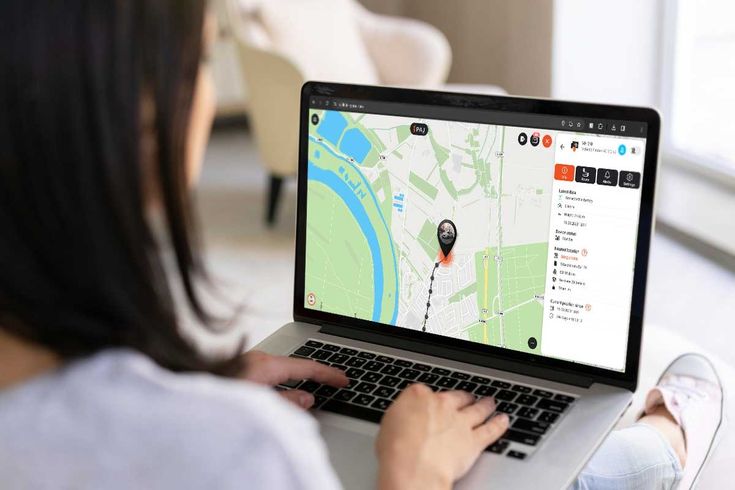
A GPS tracker becomes more useful when it does more than simply display a location on a map. Geofencing allows users to establish virtual boundaries around specific geographic areas.
Depending on the tracking system, notifications may be generated when a monitored vehicle enters or leaves a designated area. This can help businesses understand vehicle activity without continuously watching a tracking dashboard.
Alerts can also provide useful information about movement, arrival, departure, or other predefined activities. Customizable notifications allow users to focus on information that is actually relevant to their needs.
Historical Location and Trip Data
Current location information is useful, but historical data can provide additional context. Trip history can help users review where a vehicle traveled, when journeys occurred, and how movement patterns developed over time.
For businesses, historical information may support route reviews, scheduling decisions, customer service inquiries, and operational planning. Individual users may also appreciate having access to previous trip information when reviewing vehicle activity.
The amount of historical data available and the ease with which it can be accessed should therefore be considered when comparing tracking solutions.
Mobile and Desktop Accessibility
Convenient access contributes significantly to the everyday value of GPS tracking technology. Users should be able to view important information without being restricted to a single computer or location.
A well-designed tracking platform may provide access through desktop systems, mobile browsers, or dedicated applications. Mobile accessibility is particularly important for managers and vehicle owners who need information while away from an office.
The interface should also be easy to understand. Complicated navigation can reduce the practical benefits of otherwise capable tracking technology.
Battery Life and Installation Requirements
Installation and power requirements vary considerably among GPS trackers. Some devices connect directly to a vehicle, while others may operate using internal batteries.
Battery-powered trackers can offer flexibility, but users should consider how frequently they require charging or battery replacement. Vehicle-connected devices may provide more continuous operation but can involve different installation considerations.
The right choice depends on what is being tracked and how the device will be used.
Overall Cost and Long-Term Usefulness
Good value involves more than the initial purchase price. Buyers should consider hardware costs, subscription fees, available features, tracking reliability, customer support, and long-term usability together.
A tracker that provides accurate information, useful alerts, accessible reports, and dependable performance may deliver greater value over time. Instead of simply choosing the least expensive option, users can benefit from comparing features against their actual monitoring requirements. A GPS tracker offers good value when its capabilities solve practical tracking needs consistently without requiring users to pay for functions they are unlikely to use.