Getting Better at Counter-Strike 2: Where to Learn and What to Practice
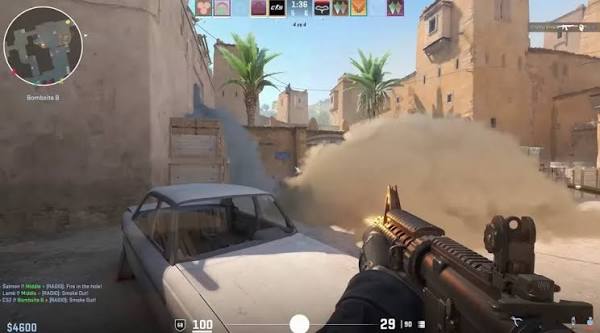
Counter-Strike 2 rewards knowledge as much as reflexes, which is why new players often feel lost during their first few dozen matches. Instead of learning everything the hard way, it makes sense to keep a reliable CSGO wiki open in another tab and look up callouts, weapon stats and useful console commands as questions come up. The good news is that improving in CS2 does not require natural talent or endless hours. Combined with a simple practice routine, the right resources can shorten the learning curve from months to weeks.
Start with the Basics: Economy, Movement and Crosshair Placement
Before worrying about advanced tactics, focus on three fundamentals. The economy decides what your team can buy each round, so learn when to save money and when to spend it together. Movement matters because shots are accurate only when you stand still, so practice stopping before you fire. Crosshair placement means keeping your aim at head level where enemies are likely to appear, which reduces how far you need to move your mouse in a fight.
Use a Wiki to Learn Maps, Weapons and Commands
A good Counter-Strike wiki saves hours of trial and error. Use it to memorize callouts for the maps in the current competitive pool, compare weapons by damage and handling, and find console commands that help you practice. Learning five or six callouts on each map is enough to give your team useful information from the very first match.
Practice Maps and Aim Trainers
Community practice maps from the Steam Workshop let you train specific skills without the pressure of a real match. Aim maps help with flicks and tracking, while utility maps teach you how to throw smokes and flashes to common positions. Ten to fifteen minutes on them before playing works as a warm-up and builds consistency over time. Standalone aim trainers can help too, but treat them as a supplement to in-game practice, not a replacement.
Watch Pro Demos with a Purpose
Watching professional matches helps only if you watch actively. Pick one player who plays your role and follow their perspective for a whole half. Notice where they stand, when they use grenades and how they react when a round goes wrong. Reviewing your own demos is just as valuable, because it shows the mistakes you repeat without noticing.
Fine-Tune Your Settings and Build a Weekly Routine
Settings will not make you a better player, but bad ones can hold you back. Choose a mouse sensitivity that allows precise small adjustments, set a clear crosshair and make sure the game runs smoothly on your hardware. Then build a simple routine: a short warm-up, a few matches with one specific goal and a quick review at the end of the week. Steady, focused practice beats long sessions without a plan, and within a month you will notice the difference in every round.
Most importantly, be patient with yourself. Every experienced player once struggled with the same maps, recoil patterns and chaotic rounds. Learn one thing at a time, keep notes on what works and enjoy the process: Counter-Strike 2 is a game that keeps rewarding curiosity for years.