How Advanced Manufacturing Processes Enable More Complex Hardware Designs
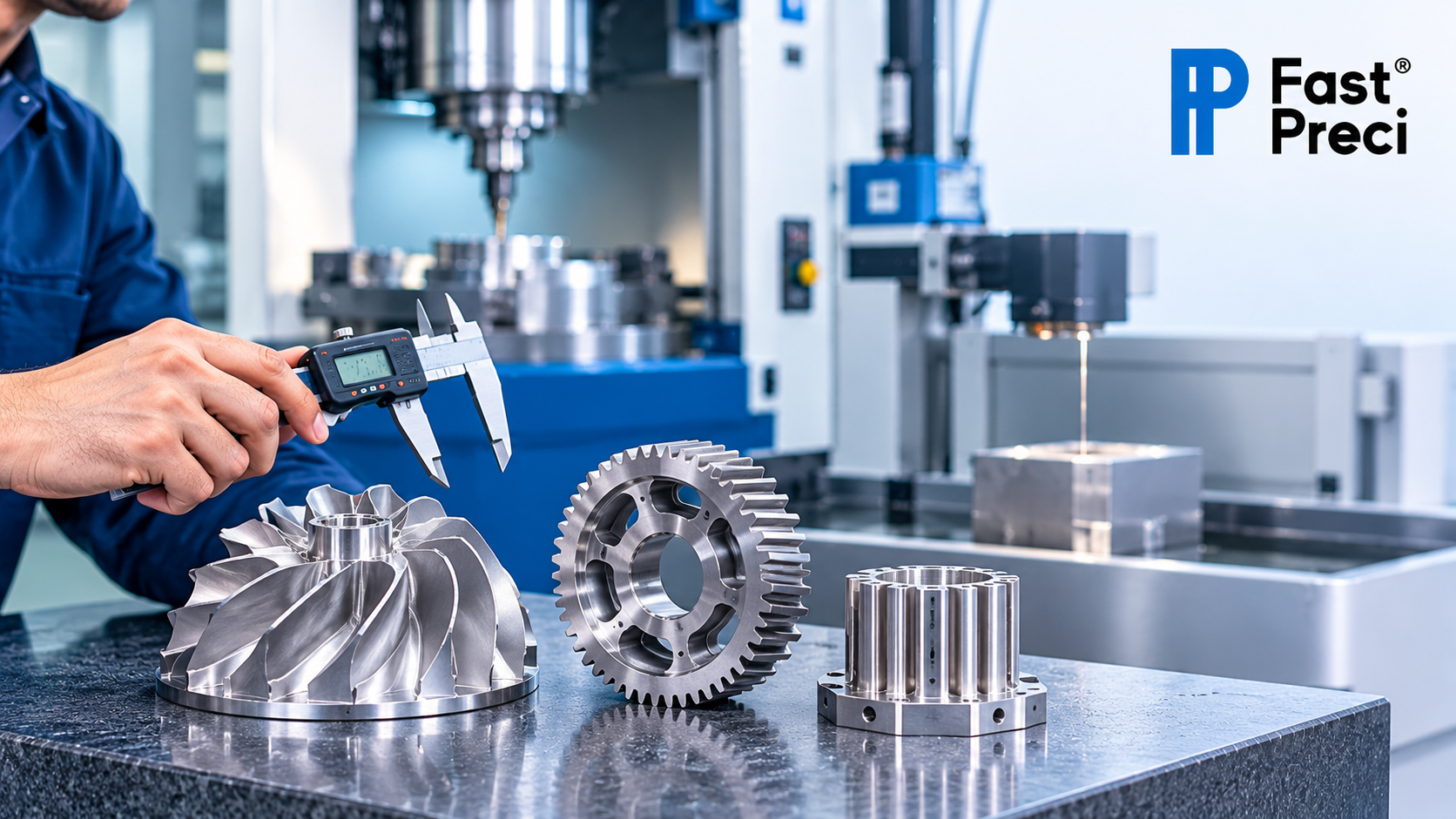
Hardware designers once shaped their ideas around what factories could build. Simple geometry, few features, and loose tolerances kept production practical. Today, advanced manufacturing processes remove many of those limits. Engineers can now design intricate shapes, tight-tolerance features, and compact assemblies that earlier methods could not produce.
This shift changes how teams approach product development. Instead of asking whether a part can be made, they ask which process makes it best. This article explains how advanced processes expand design freedom, what each one does well, and how teams can use them wisely.
Why Design Complexity Keeps Growing
Modern products demand more from every part. Medical devices need tiny, precise features. Aerospace components must be light and strong. Consumer electronics pack more function into smaller housings. Robotics, energy, and automotive products all push for higher performance in tighter spaces.
These demands lead to complex geometry. Curved surfaces, internal channels, thin walls, and tight-fitting assemblies appear in many modern designs. Traditional machining struggles with such features, because every extra setup adds time, cost, and the chance of error. Advanced processes solve this by reaching more of the part in fewer steps and holding tighter control.
Precision Cutting With Wire EDM
Some features simply resist conventional cutting tools. Hardened metals, sharp internal corners, and very fine details can defeat standard milling. Electrical discharge machining offers a different approach. It removes material through controlled electrical sparks instead of physical cutting force.
Understanding wire EDM machining helps designers see what becomes possible. A thin, electrically charged wire travels through the workpiece and erodes material along a programmed path. Because the wire never presses hard against the part, it can cut delicate shapes without distortion. It also works on very hard materials, including hardened tool steel and exotic alloys.
Engineers use wire EDM for tight-tolerance profiles, narrow slots, complex dies, gears, and intricate cutouts. It produces sharp inside corners that milling cutters cannot achieve, and it leaves excellent edge quality. This freedom lets designers include features that once required compromise.
Multi-Axis Machining Opens Up Geometry
Three-axis machines cut from one direction at a time. Parts with features on multiple faces need repeated repositioning, and each repositioning adds time and potential error. Multi-axis machines remove much of that burden.
A professional 5-Axis CNC Machining Service moves the cutting tool and the workpiece along five axes at once. The machine reaches complex surfaces, undercuts, and angled features in a single setup. This approach improves accuracy, because the part stays fixed in one position. It also shortens lead time and reduces fixturing cost.
Five-axis machining suits turbine components, impellers, medical implants, aerospace brackets, and sculpted housings. Designers gain freedom to create organic shapes and compound curves without worrying that the machine cannot reach them.
Comparing Advanced Processes at a Glance
The table below shows how common advanced manufacturing processes support complex hardware designs.
| Process | Key Strength | Typical Applications |
| Wire EDM | Cuts hard metals with sharp corners and fine detail | Dies, gears, narrow slots, precision profiles |
| 5-axis CNC machining | Reaches complex surfaces in a single setup | Impellers, implants, aerospace and sculpted parts |
| Additive manufacturing | Builds internal channels and lattice structures | Lightweight brackets, custom fixtures, prototypes |
| Swiss-style turning | Produces small, precise round parts at speed | Connectors, pins, medical screws |
| Precision grinding | Delivers fine surface finish and tight tolerance | Bearing surfaces, tool components |
Single Setups Improve Accuracy
Every time a machinist removes a part and repositions it, small alignment errors creep in. These errors stack up across multiple operations and can push a part out of tolerance. Advanced processes reduce this problem by completing more features in a single setup.
Fewer setups also mean fewer fixtures, fewer handling steps, and less chance of damage. Quality teams benefit as well, since consistent datum references make inspection simpler and more reliable. For complex hardware, this consistency often decides whether an assembly fits together properly.
Material Flexibility Supports Better Performance
Complex hardware often needs advanced materials. Titanium, Inconel, hardened steels, and high-performance plastics all appear in demanding applications. Many of these materials resist conventional cutting, wear tools quickly, or distort under cutting forces.
Advanced processes handle these materials with greater control. Wire EDM cuts hardened alloys without mechanical stress. Multi-axis machines maintain optimal tool angles, which improves surface finish and tool life. As a result, designers can choose materials for performance instead of machinability.
Balancing Complexity and Cost
Advanced processes bring power, but they also bring cost. Five-axis machines carry higher hourly rates, and wire EDM cuts more slowly than milling. Designers should use these processes where they add real value.
A good rule is to apply advanced methods to features that truly need them. A part may combine a simple outer profile, made efficiently on standard equipment, with a complex internal feature that demands wire EDM. Teams that match each feature to the right process control cost while still achieving the design goal.
Early supplier involvement helps here. Manufacturing engineers can recommend which features justify advanced processes and which can be simplified. This conversation often reveals savings without hurting performance.
Design Tips for Advanced Processes
Even advanced processes have limits, and good design respects them. Keep these practices in mind:
Define critical tolerances clearly, and relax non-critical ones. Allow tool access for features that need cutting. Choose wall thicknesses that remain stable during machining. Provide complete 3D models along with 2D drawings, so suppliers can program accurately. Discuss finishing requirements early, since coatings and polishing affect final dimensions.
These habits help suppliers deliver parts that match your intent, and they prevent avoidable rework.
Looking Ahead
Manufacturing technology continues to advance. Machines grow faster and more accurate, software improves toolpath planning, and hybrid processes combine additive and subtractive methods. These changes will expand design freedom even further.
Teams that stay informed about these developments gain an edge. They can design products that competitors cannot easily copy, because the manufacturing capability becomes part of the product’s advantage.
Conclusion
Advanced manufacturing processes allow engineers to design hardware that earlier methods could not build. Wire EDM cuts hard materials with fine detail, and five-axis machining reaches complex geometry in a single setup. Together with other modern methods, these processes let teams create lighter, stronger, and more capable products.
Success depends on matching each feature to the right process, communicating early with suppliers, and designing with both capability and cost in mind. Teams that do this turn manufacturing from a constraint into a creative tool.
Frequently Asked Questions
What counts as an advanced manufacturing process?
Advanced processes include wire EDM, multi-axis CNC machining, additive manufacturing, Swiss-style turning, and precision grinding. They handle complex geometry and tight tolerances that basic methods struggle with.
How does wire EDM remove material?
It uses controlled electrical sparks between a thin wire and the workpiece. The sparks erode material along a programmed path without heavy cutting force.
Can wire EDM cut hardened metals?
Yes. Because it works through electrical erosion, it cuts hardened steels and exotic alloys that resist conventional tools.
What makes 5-axis machining different from 3-axis machining?
A 5-axis machine moves the tool along five axes at once, so it reaches complex surfaces in a single setup. A 3-axis machine cuts from one direction at a time.
Is 5-axis machining always more expensive?
Hourly rates run higher, but fewer setups and faster cycles often reduce total part cost, especially for complex geometry.