How Customer Service Cyber Security Solutions Help Protect Digital Interactions
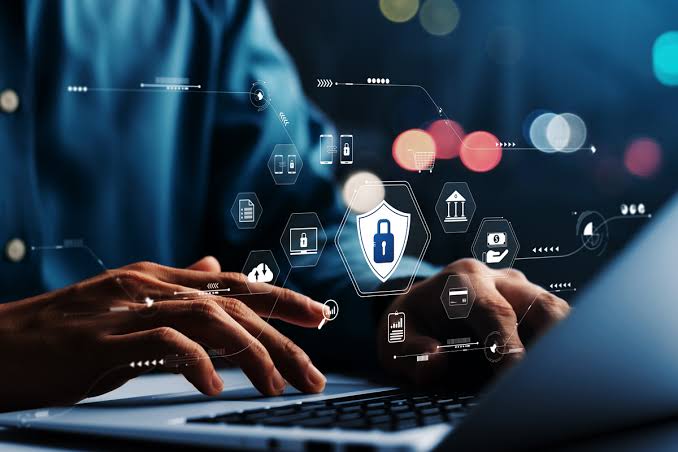
Every support ticket is a small pile of personal data sitting in a chat window. Names, order numbers, sometimes card details, all passed to an agent who might be working from anywhere. That pile is exactly what attackers go after. The average data breach now costs organizations $4.44 million worldwide, and in the US that number climbs past $10 million. Healthcare breaches run even higher, over $7 million each, because medical records sell for far more than a stolen card number. Support desks are a soft target precisely because they are built to be helpful. That is the exact problem customer service cyber security solutions exist to fix.
Why Support Desks Get Targeted So Often
Attackers don’t need to break a firewall if they can just ask nicely. Social engineering through a support line is cheap, low risk, and works embarrassingly often. A caller claims to be locked out, sounds panicked, and pushes an agent to reset a password without proper checks. Phishing alone caused 16% of breaches last year, and the human element played a part in over two-thirds of every breach recorded.
Support teams sit at the exact point where speed and trust collide with risk. Agents are trained to help fast. That instinct is precisely what a scammer counts on.
What Actual Protection Looks Like
Good protection doesn’t slow agents down for no reason. It builds checks into the workflow itself.
- Identity verification steps that match risk level, not a blanket password question every time
- Real-time flagging when a conversation pattern matches known scam scripts
- Encrypted storage for chat transcripts and call recordings, not just the database behind them
- Role-based access, so an agent handling billing can’t see medical notes on the same account
Skip any one of these and the whole chain gets weaker. A locked database means nothing if the agent’s screen is unprotected.
The Cost Of Getting This Wrong
Money is the easiest way to measure the damage, so start there.
Data Breach Cost Benchmarks, 2025 To 2026
| Metric | Figure |
|---|---|
| Global average breach cost | $4.44 million |
| US average breach cost | $10.22 million |
| Healthcare breach average | $7.42 million |
| Average days to detect and contain | 241 days |
| Breaches involving AI-driven attacks | 1 in 6 |
Detection speed is the number worth staring at longest. Organizations that catch a breach fast save close to $1.9 million compared with ones that don’t, according to IBM’s own research. Slow detection isn’t just embarrassing. It is the single biggest line item on the final bill.
Building Security Into The Customer Experience Itself
Security used to sit off to the side, run by a separate team that nobody in support really talked to. That split doesn’t work anymore. A customer experience team that hands security thinking entirely to IT ends up building support flows that leak information without anyone noticing until it’s too late.
The better model treats security as part of the actual customer journey. Verification should feel like part of good service, not an obstacle bolted on top of it. Done right, a customer barely notices the checks happening, and an attacker can’t get past them at all.
That balance, fast for real customers and hard for fraudsters, is the entire point.
Training The People Who Sit Between The Data And The Attacker
Technology can only do so much if the person using it doesn’t know what a scam attempt actually looks like. Regular, specific training beats a once-a-year compliance video every time. Agents need real examples pulled from actual attempted attacks, not generic warnings that feel disconnected from the job they do every day.Support teams aren’t the only entry point attackers exploit. Many Hawaii businesses also face targeted scams that start in the inbox, which is why understanding business email compromise in Honolulu has become a critical part of protecting digital operations. Local firms that combine staff awareness with regional threat expertise are better positioned to stop these schemes before funds or data disappear. Get that part right, and the software becomes a genuine safety net instead of the only line of defence standing between a customer’s data and someone trying to steal it.