How Faster Data Exchange Is Revolutionizing 911 Response Systems
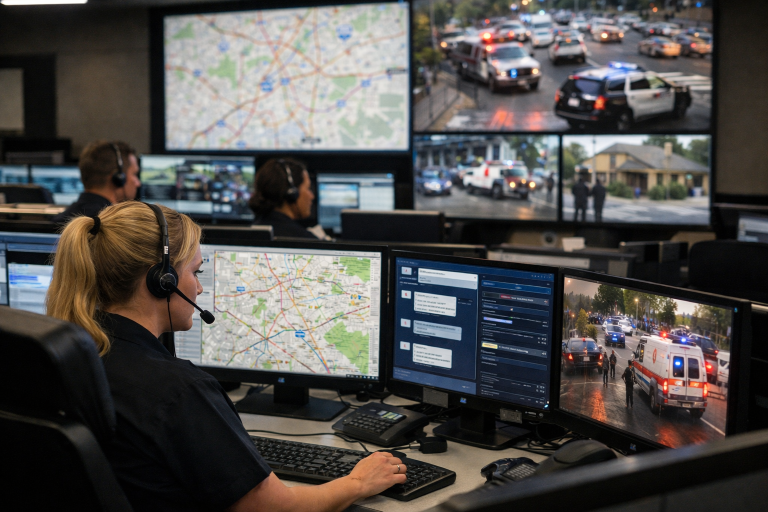
In emergencies, every moment is critical. Modern 911 systems are harnessing rapid data exchange to improve emergency management and make responses more reliable and effective. This transformation is changing the way both dispatchers and first responders operate, empowering them with timely information that leads to better outcomes. Technologies such as Next Generation 911 (NG911) and enhanced real-time data sharing are helping agencies across the United States move faster and make smarter decisions during crises. To learn more about leading monitoring and integration solutions for emergency centers, explore industry resources supporting these advances.
The transition from legacy 911 systems to digital and integrated platforms does not just add speed. It also opens the door for richer communication, including texts, images, and video streams, as well as advanced analytics powered by artificial intelligence (AI). Together, these improvements enable responders to arrive on scene better informed and prepared, ultimately saving more lives.
Digital Transformation of 911 Systems
The digital overhaul of 911 systems has fundamentally shifted emergency communications. For example, Colorado’s move to NG911 systems enables callers to send real-time SMS, photos, and videos directly to dispatch. Such tools provide dispatchers with a much deeper, more contextual understanding of the emergency before first responders even arrive. With this visibility, responders can adjust their approach, arrive better equipped, and ultimately save valuable seconds in fast-moving situations. According to Rocky Mountain PBS, NG911 is setting new benchmarks in preparedness and speed, impacting both urban and rural areas.
By freeing dispatchers from the constraints of voice-only calls, the digital transformation enables more flexible, interactive communication between the public, dispatch centers, and first responders. This supports better incident reporting and coordination, particularly when callers cannot speak freely due to safety concerns or language barriers.
Integration of AI and Smart Technologies
Artificial intelligence and other smart technologies are accelerating the modernization of emergency response. Take Baltimore’s adoption of AI-powered 911 systems for large-scale events, such as the Artscape festival: By using AI in tandem with geolocation services and sophisticated call routing, emergency teams can pinpoint locations more rapidly and respond with greater accuracy. This tech-driven approach ensures that urgent signals are prioritized and processed efficiently, reducing life-threatening delays. More information about Baltimore’s AI initiative can be found on CBS News.
AI not only supports faster call management, but also automates data analysis, flagging high-risk situations and supplying responders with predictive insights. These systems continue to learn and improve over time, allowing emergency management agencies to adapt quickly to emerging threats, whether from natural disasters or human-made crises.
Real-Time Data Sharing and Collaboration
The power of immediate data exchange is nowhere clearer than in the integration between emergency services and public safety answering points (PSAPs). Companies such as Emergency24 and Intrado are trailblazers in this arena, allowing alarm data to be sent to 911 centers in as little as 15 to 30 seconds, dramatically outpacing the old 2.5-minute average. As noted by Security Sales & Integration, this improvement has a direct, measurable effect on response times and public safety.
Real-time collaboration ensures that all stakeholders, from dispatchers to fire, police, and EMS personnel, operate from a single, constantly updated data pool. This level of interoperability is vital for managing multifaceted crises like multi-vehicle accidents, natural disasters, or large public events.
Case Studies of Improved Response Times
Metropolitan areas such as Atlanta are leading the way in demonstrating the tangible benefits of new dispatch systems. Through investments in advanced call-handling technology and rigorous, ongoing training, dispatchers are now answering 911 calls significantly faster than before. Firehouse Magazine reports that these improvements are helping departments meet, and even exceed, national emergency response standards.
Other regions are experiencing similar success stories as they adopt advanced solutions and enhance inter-agency cooperation. These case studies show that the right technology, combined with strategic training initiatives, is essential for maximizing the benefits of faster data exchange in emergency service delivery.
Challenges and Considerations
Despite the clear benefits of new technology in emergency response, important hurdles remain. The rollout of AI and digital networks demands significant investment in infrastructure and ongoing training for dispatchers and field responders. In addition, cybersecurity and privacy are pressing concerns, given the sensitive nature of the information exchanged during emergencies.
Agencies must proactively address data protection while ensuring systems remain interoperable and accessible. Building public trust is essential, particularly as new forms of communication, such as video calls, become standard in crises. Failure to secure transmitted data or to prepare personnel adequately could undermine the positive impact of next-generation systems.
Future Outlook
The future of emergency response will be defined by even faster, smarter, and more connected systems. As NG911, AI, and interoperable platforms gain ground across more regions, we can expect a continued decline in response times and improvements in outcomes for people experiencing emergencies. Success will rely on collaboration between technology vendors, public safety agencies, and policymakers as they navigate evolving standards, privacy considerations, and the ever-changing landscape of public safety threats.
Accelerating emergency data exchange is transforming 911 systems from reactive call centers into proactive, data-driven life-saving networks. Agencies that prioritize innovation and robust collaboration are best positioned to deliver the fastest, most reliable help when it matters most.