How Much Does Mileage Matter When Buying a Private Used Car?
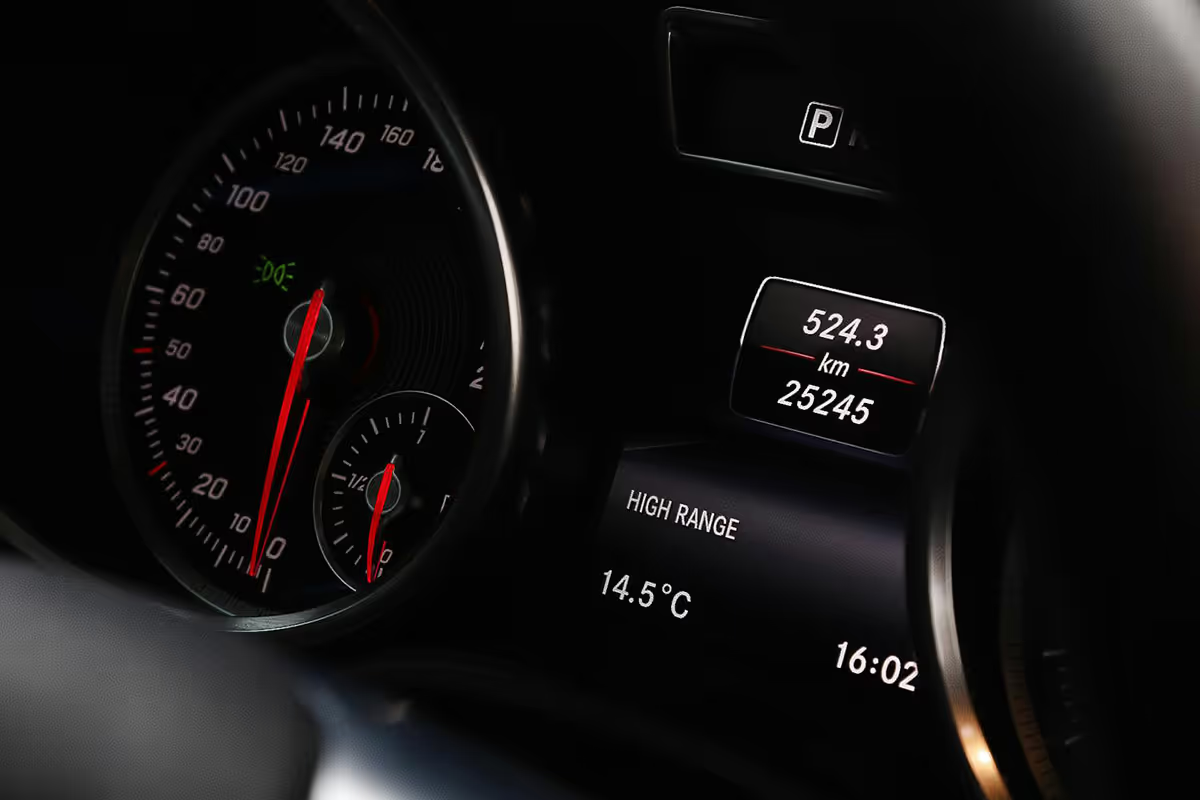
Mileage is one of the first details buyers notice when comparing used cars, but it does not tell the whole story. A vehicle with fewer miles may appear to be a better choice, yet its maintenance history, driving conditions, age, and overall condition can be equally important. Understanding how mileage affects a vehicle helps buyers make informed decisions and gives sellers a clearer way to present their cars.
When exploring private used cars for sale, buyers often compare odometer readings to estimate how much wear a vehicle may have experienced. However, two cars with similar mileage can have very different conditions depending on how they were driven and maintained. For private sellers, providing accurate mileage information and supporting maintenance records can help build confidence and attract serious buyers. The key is to evaluate mileage alongside the vehicle’s complete history rather than treating it as the only measure of quality.
Why Mileage Matters When Buying a Used Car
Mileage indicates the distance a vehicle has traveled throughout its life. As a car accumulates miles, components such as tires, brakes, suspension parts, and engine components may experience wear. However, the amount of wear depends on maintenance, driving habits, road conditions, and the vehicle itself.
Buyers should consider three important factors when reviewing mileage:
- Mechanical wear: Higher mileage can mean certain components are closer to needing repairs or replacement.
- Maintenance history: Regular servicing can help a high-mileage vehicle remain in good condition.
- Driving conditions: Highway driving may involve different wear patterns from frequent stop-and-go city driving.
Mileage is useful for comparing vehicles, but it should always be considered alongside inspection results and service records.
Low Mileage vs. High Mileage: Which Is Better?
A low-mileage vehicle may have experienced less use, but it is not automatically the better purchase. Cars that sit unused for extended periods can develop problems involving batteries, tires, seals, fluids, and other components. Meanwhile, a regularly maintained
vehicle with higher mileage may offer dependable service.
| Factor | Low-Mileage Car | High-Mileage Car |
| Component wear | May have less use-related wear | May have more wear on key components |
| Maintenance | Still requires regular servicing | Service records become especially important |
| Price | May carry a higher asking price | May be more affordable |
| Age-related issues | Possible even with limited use | Depends on age, storage, and condition |
| Inspection | Still necessary | Particularly important |
| Overall value | Depends on price and condition | Depends on maintenance, condition, and price |
The best choice depends on the individual vehicle. Buyers should compare the asking price, expected maintenance costs, available records, and inspection findings before deciding.
What Is Considered High Mileage?
There is no single mileage figure that automatically makes a used car a poor purchase. The vehicle’s age, make, model, engine type, maintenance history, and intended use all affect how its mileage should be interpreted.
For example, a ten-year-old car with 100,000 miles has averaged around 10,000 miles per year. That figure alone does not establish whether the vehicle is in good or poor condition.
Instead of relying on a strict mileage limit, buyers should consider whether the odometer reading is reasonable for the vehicle’s age and whether the condition supports the seller’s description. Unusually low mileage should also be verified against service records and available vehicle history reports.
How Mileage Affects a Car’s Resale Value
Mileage can influence resale value because buyers often associate lower odometer readings with less use and potentially lower wear. However, mileage is only one factor in determining what a vehicle is worth.
When preparing to list your car for sale, they should provide the correct odometer reading and explain the vehicle’s maintenance history. A clear listing can help potential buyers understand how the car has been used and why its asking price is reasonable.
| Resale Factor | Potential Effect on Value |
| Lower mileage | May increase buyer interest when other factors are comparable |
| Higher mileage | May reduce the asking price or narrow the buyer pool |
| Complete service records | Help demonstrate consistent maintenance |
| Excellent overall condition | Can support buyer confidence regardless of mileage |
| Accident history | May affect value independently of mileage |
| Popular model | Demand can influence resale value |
| Recent maintenance | May reduce concerns about certain upcoming expenses |
Sellers should avoid assuming that low mileage automatically justifies a premium price. Buyers will also consider the vehicle’s age, condition, features, history, and prices of comparable listings.
How Buyers Can Verify Mileage Before Purchasing
Odometer readings should be consistent with the vehicle’s records and visible condition. Buyers should look for discrepancies rather than relying exclusively on the number displayed on the dashboard.
Before agreeing to a purchase, buyers can:
- Compare the odometer reading with available service receipts and inspection records.
- Review a vehicle history report for recorded mileage and possible inconsistencies.
- Check whether wear on the steering wheel, pedals, seats, and other interior surfaces seems consistent with the stated mileage.
- Arrange an independent mechanical inspection to assess the vehicle’s condition.
- Confirm whether the odometer is reported as actual, exempt, or otherwise qualified on the relevant paperwork.
No single check can prove a vehicle’s entire history. Combining records, physical inspection, and available history information gives buyers a more complete picture.
Why Maintenance Matters More Than Mileage Alone
A vehicle’s maintenance history can explain how well it has been cared for over time. Regular oil changes, scheduled servicing, timely repairs, and attention to warning signs may help reduce avoidable problems.
A high-mileage car with consistent maintenance records may be a more suitable purchase than a low-mileage car with neglected servicing. Likewise, a low-mileage vehicle can still need significant work if it has been poorly stored or maintained.
Buyers should ask about major repairs, recent maintenance, tire condition, brake wear, fluid leaks, and any known mechanical concerns. Sellers can support their descriptions by keeping receipts and explaining work that has already been completed.
How Private Sellers Can Present Mileage Honestly
Accurate information helps private sellers establish realistic expectations and reduce misunderstandings. A listing should state the odometer reading clearly and avoid unsupported claims about the vehicle’s condition or reliability.
Sellers should also disclose known mileage discrepancies or odometer issues and provide available records when possible. Clear photographs of the dashboard and useful maintenance documentation can help potential buyers assess the listing before contacting the owner.
KarKiosk provides an online private-party marketplace where sellers can showcase their vehicles and buyers can explore available listings. Presenting mileage alongside vehicle specifications, photographs, and maintenance details helps make a listing more informative for both sides.
Final Thoughts
Mileage matters when buying a private used car, but it should never be the only factor behind a purchasing decision. A vehicle’s maintenance history, age, mechanical condition, driving history, and asking price all contribute to its overall value. Buyers should verify the available information and consider an independent inspection before committing to a purchase.
For sellers, honest mileage information and organized service records can help communicate the vehicle’s condition and support a reasonable asking price. KarKiosk helps buyers and sellers connect through an online private-party marketplace where vehicles can be presented and explored with relevant details. By checking listings carefully and communicating clearly, buyers and sellers can make more informed decisions throughout the private car transaction process.