How Police Brutality Lawyers Ensure Your Rights Are Respected
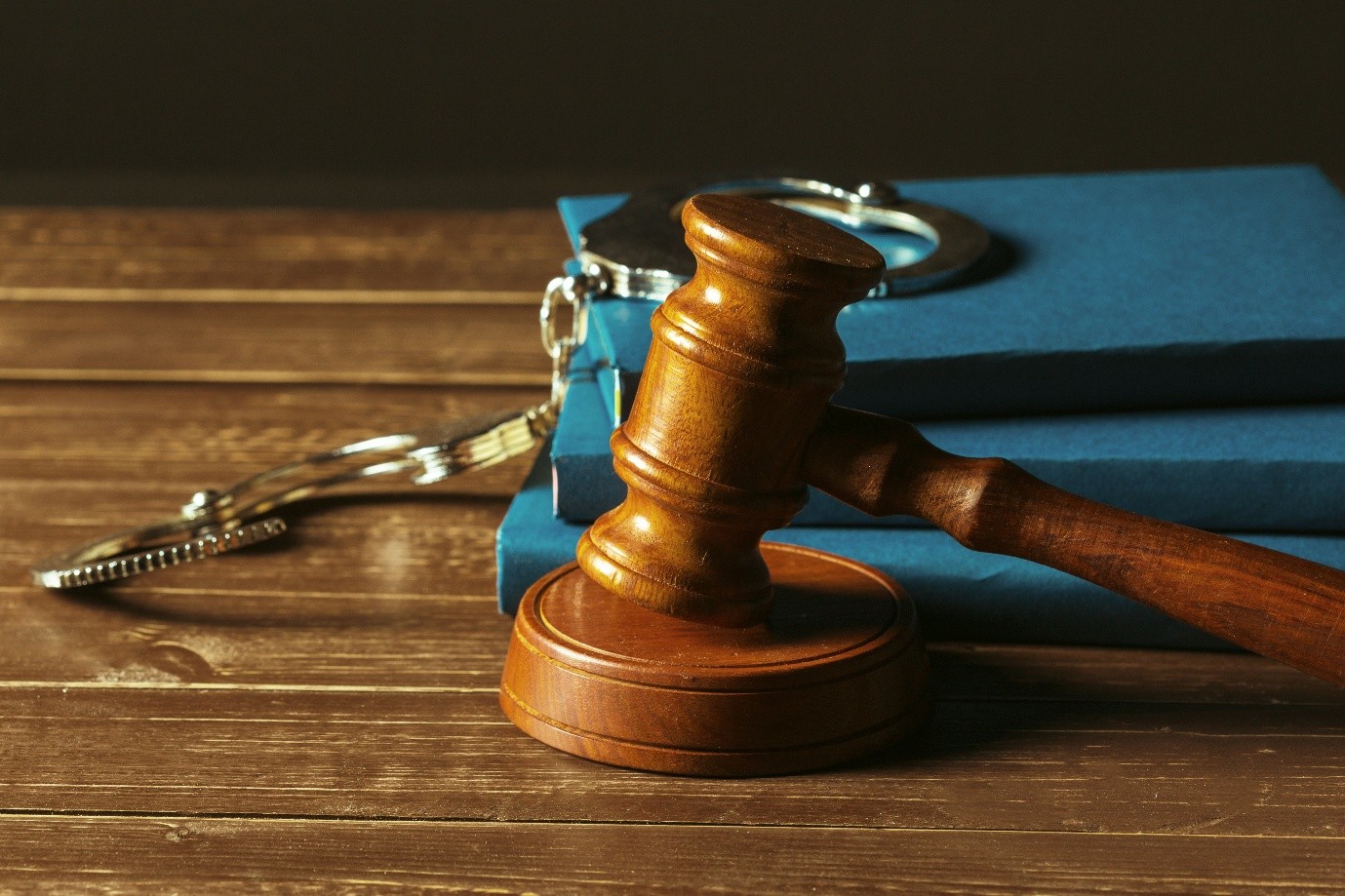
Police brutality lawyers ensure your rights are respected by holding law enforcement accountable, protecting you from unlawful actions, and guiding you through the legal process to seek justice and compensation.
Most civil rights attorneys agree that victims often face challenges such as a lack of evidence, intimidation, or legal complexity, and having proper legal representation is critical to safeguarding constitutional rights.
If you believe your rights have been violated, working with an experienced police brutality lawyer can help you understand your legal options, build a strong case, and take appropriate action against misconduct.
In this article, we’ll explore how these lawyers protect your rights, the legal grounds for claims, and what steps are involved in pursuing justice.
How Police Brutality Lawyers Protect Your Rights
- Conduct Thorough Investigations: Lawyers gather crucial evidence such as body camera footage, surveillance videos, medical records, and witness statements to build a strong foundation for your case.
- Identify Constitutional Violations: They determine whether your rights under the Fourth, Eighth, or Fourteenth Amendments have been violated, such as through excessive force or unlawful detention.
- Preserve and Secure Evidence: Attorneys take immediate steps to prevent evidence from being lost, altered, or withheld, especially when it is controlled by law enforcement agencies.
- Handle Communication with Authorities: They deal directly with police departments, government representatives, and insurance companies to protect you from pressure or misstatements.
- Negotiate Fair Settlements: Lawyers work to ensure you receive appropriate compensation for medical expenses, lost income, emotional distress, and other damages.
- Provide Strong Court Representation: If a case proceeds to trial, they present evidence, question witnesses, and advocate on your behalf before a judge or jury.
- Ensure Compliance with Legal Deadlines: They make sure all filings are completed within the statute of limitations and follow proper legal procedures to avoid case dismissal.
Legal Grounds for Police Brutality Claims
Understanding the legal basis of a police brutality case helps clarify how these claims are pursued in the U.S. legal system.
Common grounds include:
- Excessive Use of Force: When force used by police is unreasonable under the circumstances
- False Arrest or Imprisonment: Detaining someone without proper legal justification
- Illegal Search and Seizure: Violating Fourth Amendment protections
- Denial of Medical Care: Failing to provide necessary medical attention while in custody
These violations are typically addressed under federal civil rights laws, but state laws may also provide additional remedies depending on the case.
Steps Involved in Filing a Police Brutality Claim
Taking legal action requires following specific steps to ensure your claim is valid and properly presented.
- The process usually begins with documenting the incident and seeking medical attention. Victims should preserve any evidence, including photographs, videos, and medical reports.
- Next, the attorney files a claim or lawsuit, often under federal civil rights statutes. This is followed by an investigation phase, where both sides gather evidence and prepare arguments.
- In many cases, there may be attempts to resolve the matter through settlement. If an agreement cannot be reached, the case proceeds to trial, where a judge or jury determines the outcome.
Each step requires strict adherence to legal timelines and procedures, which is why having experienced legal representation is critical.
Key Takeaways
- Police brutality lawyers help protect constitutional rights and ensure accountability.
- Strong evidence collection is essential for building a successful case.
- Civil rights laws provide legal grounds for claims against law enforcement.
- Legal representation helps navigate complex procedures and negotiations.
- Timely action is crucial to avoid missing important legal deadlines.