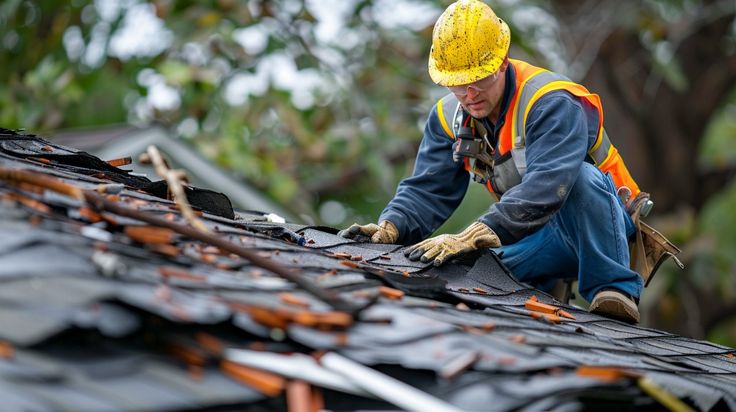
How Technology is Improving the Construction Industry
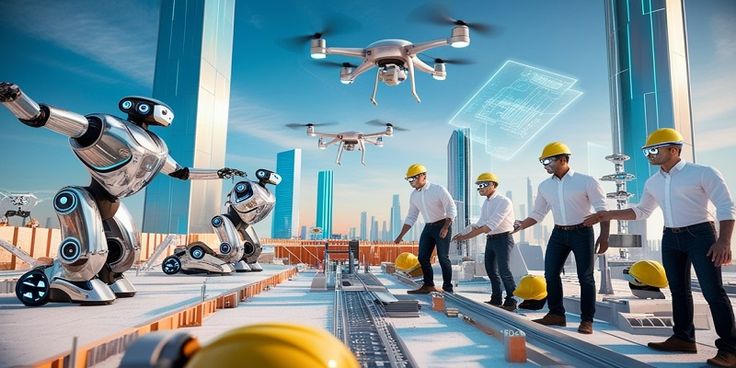
We all know that construction has a reputation for being slow to change, but technology is now involved in how US projects are designed and even run once people move in. The thing is, none of it works on its own. You need reliable data and systems that can talk to each other, as well as skilled people to check the results and decide whether a new tool saves time or just adds another dashboard.
AI Is Making Planning More Data-Driven
A single project produces a huge amount of information, from schedules and material orders to deliveries and weather, and AI is being used to make sense of it. Then, there’s machine learning that can pick out patterns in past projects to forecast delays or costs. And don’t forget the logistics tools that help plan deliveries so materials arrive when crews actually need them.
Robotics and autonomous equipment rely on the same kind of data mentioned above. But of course, a forecast is only as good as the information behind it, so somebody still has to check that the numbers make sense.
Digital Twins Are Linking Design With Real Building Performance
You might have heard the term “digital twins” but not be sure what it means. Well, a digital twin is a computer model of a physical asset, such as a building, that stays connected to the real thing, as simple as that. In fact, it can support simulation, monitoring, and decision-making, so you can test an idea on screen before committing to it on site. NIST, for instance, is developing a digital twin framework that stays synchronized with the physical building and captures machine-readable information from design through operation, so building services can access standardized data without manual mapping. What this does, or could do, is make controls and other services much easier to integrate and automate.
It also makes envelope decisions easier to test. Say, a model can help with identifying where insulation is best used, because you can compare how different wall, roof, and floor assemblies affect heat loss before anything is built.
Drones and Robotics Are Taking Technology Onto the Jobsite
Drones are all the rage, but the truth is they’re quite useful because they can collect information from places that are difficult or risky for people to reach.
A May 2026 Associated Builders and Contractors survey found that 36.1% of responding contractor members fly drones. Contractors most often use them for site progress monitoring, followed by inspections and aerial mapping. Here, robotics and automated equipment open up possibilities for changing how certain physical tasks are carried out, although they still need people to set them up and supervise them.
Smart Building Technology Keeps Improving Performance After Handover
Once the keys are handed over, everything in the system keeps working. Connected building systems can track temperature and energy use, among other things, so facility teams can spot a problem early instead of waiting for complaints. This is where good choices matter, since a well-built envelope gives those controls less to correct.