Understanding Corrosion Protection in Automotive Magnetic Components
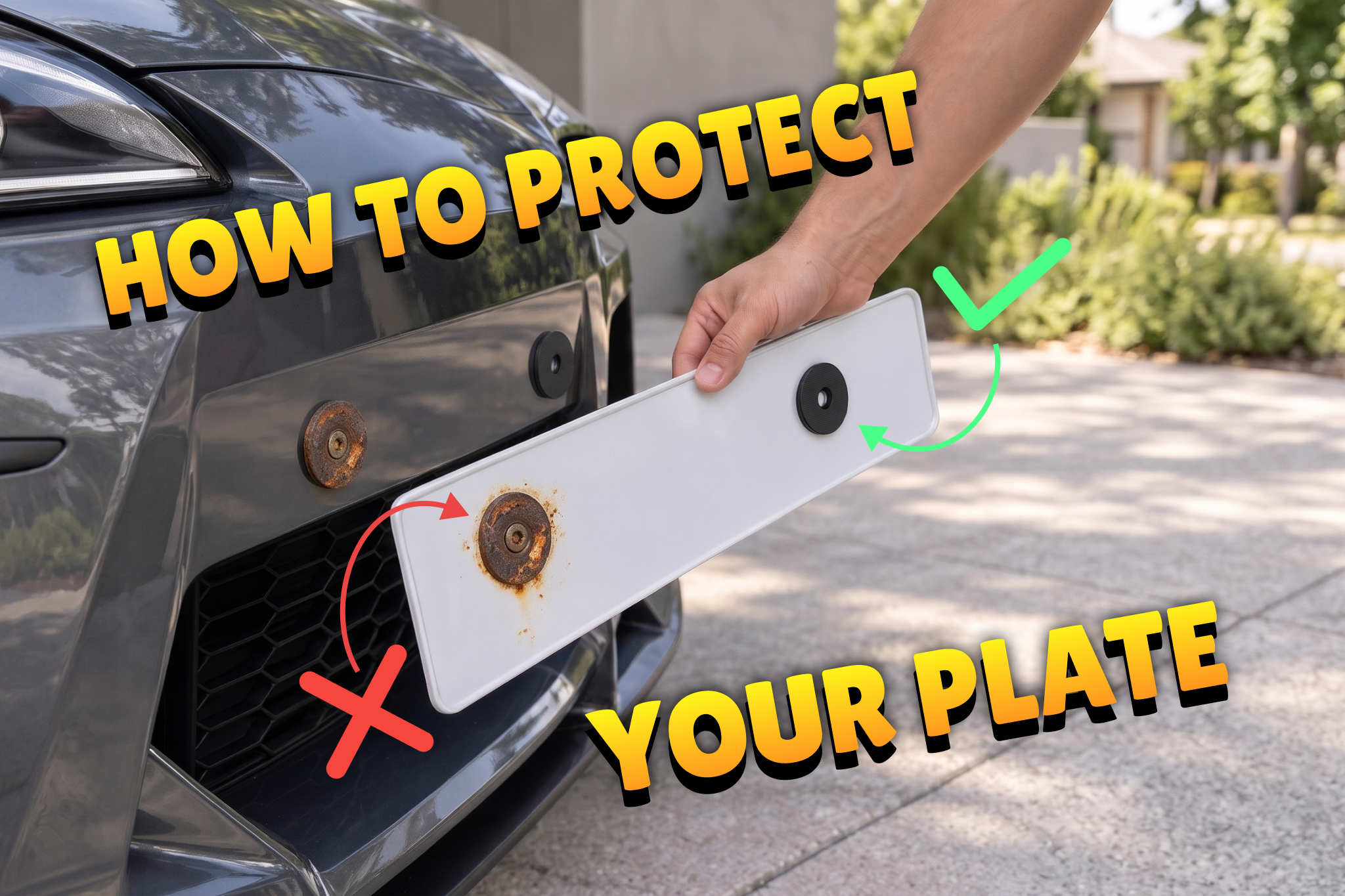
A magnet license plate holder can look perfectly clean from the outside while moisture collects behind its contact surfaces. This hidden exposure is one reason corrosion protection deserves attention during automotive accessory design. The challenge is not simply keeping metal dry. Engineers must consider how water enters an assembly, where it remains, and which materials it touches.
Where Corrosion Begins
Consider a vehicle parked outdoors after heavy rain. Water runs across the bodywork, reaches mounting hardware, and sometimes settles inside narrow gaps. Dirt and road salt can remain there after the visible surfaces have dried.
Metal components react differently to these conditions. Ordinary steel may develop rust, while certain permanent magnets can deteriorate if their protective coating becomes damaged.
The important question is therefore not whether an accessory gets wet, but whether its construction allows moisture to remain against vulnerable materials.
Magnetic Mounts and Hidden Contact Areas
A magnet license plate holder illustrates this design challenge. Alite Maglock 2.0 uses concealed magnetic components to secure a registration plate without a conventional surrounding frame. The plate can also be detached when necessary.
Because the mounting elements sit behind the plate, their condition is not always visible during everyday use. Water from washing, condensation, and accumulated debris may affect the spaces around the attachment points.
Designers must consider these areas without compromising the magnetic connection or the clean exterior appearance.
Choosing Protection for Different Components
Corrosion prevention involves several decisions rather than one universal coating.
- Protective plating: Metallic layers provide a barrier between susceptible components and moisture.
- Polymer finishes: Nonmetallic coatings can reduce direct environmental exposure.
- Material compatibility: Suitable combinations help limit corrosion between contacting metals.
- Drainage paths: Openings or appropriate geometry prevent unnecessary water accumulation.
- Surface preparation: Proper cleaning improves the adhesion of protective finishes.
- Accessible construction: Inspectable contact areas make deterioration easier to detect.
The appropriate combination depends on the component’s material, installation position, and expected handling.
The Problem With Trapped Moisture
A tight connection is not automatically a dry connection. Small gaps can retain water through capillary action, particularly when dirt prevents surfaces from drying evenly.
Adding a protective pad may help separate materials, but its thickness can also increase the distance between magnetic elements. Because magnetic holding force changes with separation, protective layers must be evaluated alongside attachment performance.
This balance is particularly relevant to removable assemblies that experience repeated contact and separation.
Testing Beyond the Visible Finish
A polished surface provides little information about corrosion resistance beneath the assembly. Engineers may use humidity exposure, salt-spray testing, and repeated handling to investigate vulnerable areas.
They also examine edges, scratches, and joints where protective layers may be interrupted.
For owners, occasional cleaning and inspection can reveal trapped debris or coating damage before it becomes extensive.
Conclusion
Reliable corrosion protection begins with understanding the entire mounting environment. Materials, coatings, drainage, and contact geometry must work together.
For magnetic automotive accessories such as Alite Maglock, protecting concealed components helps preserve both attachment performance and exterior appearance.