Railroad Accidents Explained: Crossing Crashes, Worker Injuries, and Who Is Responsible
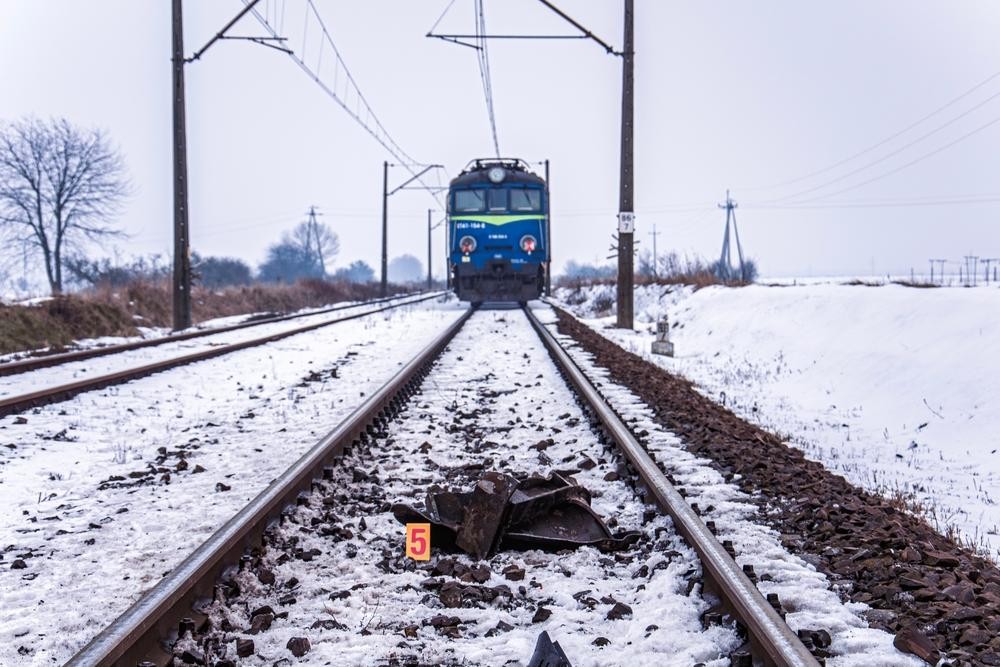
A train cannot swerve, and it cannot stop quickly. Even at modest speed, a loaded freight train may need a very long distance to come to a halt, which means a mistake at a crossing or in a rail yard often leaves no room for correction.
Railroad accidents can involve drivers, pedestrians, passengers, and the people who work on the rails every day. Each group faces different legal rules, which is one reason injured people decide to hire a railroad accident lawyer who understands how these cases work. Here is a clear overview.
Four Kinds of Railroad Injuries
Railroad cases usually fall into a few broad categories, and each one follows its own path:
- Crossing collisions, where a train strikes a car, truck, cyclist, or pedestrian.
- Railroad worker injuries, which happen in yards, on tracks, and around heavy equipment.
- Passenger injuries on commuter or long-distance trains.
- Derailments and hazardous spills that affect nearby homes and businesses.
Crossing Crashes and Warning Devices
Many serious railroad accidents happen at crossings. Some crossings have gates, lights, and bells, while others rely only on signs. When warning devices fail, are poorly maintained, or are missing at a dangerous crossing, the railroad may share responsibility.
Other factors can matter too, such as trees or brush blocking a driver’s view of oncoming trains, rough crossing surfaces, or a train crew that failed to sound the horn. Drivers have duties as well, so fault often comes down to a careful look at what each party did or failed to do in the moments before the crash.
Railroad Workers and Federal Law
Railroad employees are usually not covered by ordinary state workers’ compensation. Instead, most injury claims by railroad workers fall under a federal law called the Federal Employers’ Liability Act, often known as FELA.
Under FELA, an injured worker generally must show that the railroad’s negligence played some part in causing the injury. Unlike workers’ compensation, a FELA claim can include damages for pain and suffering. A worker’s own share of fault may reduce the recovery, but it usually does not erase it entirely. Because these rules are so different, railroad workers benefit from understanding them early.
Why Railroad Cases Are Different
Railroads are large companies with their own investigators, claims staff, and legal teams who often arrive at the scene quickly. A broader look at train accident lawsuits and settlements explains why proving liability usually requires detailed evidence.
Federal safety rules cover track maintenance, signals, crew training, and equipment, and violations of those rules can strengthen a claim. At the same time, some federal regulations can limit certain types of claims, which makes careful legal analysis important from the start.
Evidence That Matters
Railroad evidence is often technical and held by the company. Important records may include:
- The locomotive event recorder, which tracks speed, braking, and horn use.
- Forward-facing video from the train.
- Signal and crossing maintenance records.
- Crew schedules and training files.
Deadlines and Early Steps
Time matters in railroad cases. Injury claims against a railroad generally must be filed within a limited period, and the exact deadline can depend on the type of claim, the state where the accident happened, and whether the injured person was a railroad worker. Claims involving public transit agencies or government-owned crossings may also require early written notice.
Evidence can disappear quickly too. Railroads may repair crossings, trim vegetation, or return equipment to service soon after an accident. Video from the locomotive and nearby cameras may be overwritten if nobody asks for it to be saved.
If you or a loved one was hurt, a few early steps can help. Get medical care right away and keep every record. Photograph the crossing, warning signs, signals, and anything blocking the view of the tracks. Write down the names of witnesses and responders. For railroad workers, report the injury to your employer in writing and keep a copy. These simple actions can make a major difference when it is time to prove what happened.
Getting Answers After a Railroad Accident
Railroad accidents often cause catastrophic injuries, and the companies involved are well prepared to defend themselves. Preserving evidence quickly and understanding which laws apply can make a major difference in the outcome.
When a train crash or rail yard injury changes your life, deciding to hire a railroad accident lawyer can help level the playing field.