Seedance 2.5 AI Video Generator Expands AI Video Creation for Modern Content Workflows
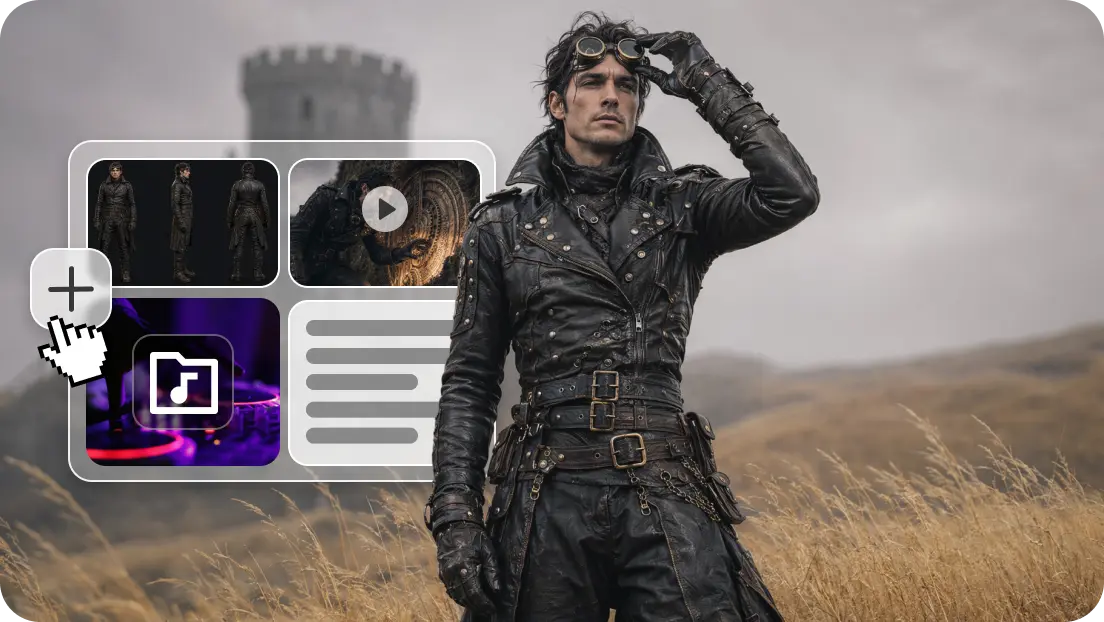
Every few months, another AI tool shows up promising to change how video gets made. The Seedance 2.5 AI video generator is part of that broader story — one more entry in a category that’s been moving fast. Why it’s happening isn’t hard to guess. Marketers need more content. Educators want visual explanations. Independent creators are working on tight timelines. And full-scale video production, honestly, has always been the slowest part of getting a message out.
The pitch behind these tools isn’t about replacing anyone’s creative instincts. It’s more practical than that. Take the repetitive production work off the plate. Get from idea to finished clip faster. Leave the human at the keyboard more room to think about what actually matters — the story, the audience, the message.
Where AI video generation has landed lately is genuinely more useful than it was a year or two ago. The models can read a prompt, break it into scenes, generate motion, and hold the visuals consistent from one shot to the next. That last one used to be the giveaway. Now it’s less of a problem.
A New Stage in AI Video Generation
Anyone who tried AI video tools two or three years ago probably remembers the frustrations. Motion that stuttered. Characters that morphed between shots. Cuts that felt off. The tech has moved past most of that. Not perfectly — you can still catch AI video if you know what to look for — but the gap has closed a lot.
The Seedance 2.5 AI video generator reflects where the industry is heading. Prompt interpretation is better. Visual coherence is better. And that combination is what makes these tools finally useful for everyday content, not just experiments.
The workflow shift is real too. Instead of building every project by hand from a blank timeline, you can start with an AI-generated draft and refine from there. Editorial control stays with the person making the calls. But the initial lift gets a lot lighter.
Supporting More Efficient Creative Workflows
The efficiency gain is where AI video creation earns its keep. Think about what traditional production actually looks like — scripting, shooting, editing, animation, effects, rendering. Every one of those adds hours. For a lot of teams, that pipeline is why publishing feels slow.
AI-assisted production doesn’t skip those steps entirely. It just automates parts of them. A story idea can become a visual sequence in minutes. Three or four different treatments can exist side by side before you decide which one is worth pushing forward.
For anyone working under deadline pressure — which is most people making content — that flexibility changes how you work. You can try things. You can be wrong quickly and move on. You don’t have to commit every concept to a full production cycle just to see if it’ll fly.
It matters most for teams publishing constantly across multiple channels. When the volume is that high, traditional production stops being sustainable. AI actually helps here.
Practical Applications Across Industries
The interesting shift is how AI-generated video has moved out of the experimental phase. It’s showing up in actual work, across a bunch of different sectors.
Marketing Campaigns
Marketing teams live on a treadmill — promo videos, seasonal campaigns, explainers, ads. AI-assisted generation lets them see concepts earlier in the process. Instead of imagining what a campaign might look like, they can watch a rough version. Adjustments happen at the sketch phase, which is cheaper and faster than reshooting anything later.
Short-form promotional pieces can be adapted across audiences too, without losing the core message.
Social Media Content
Social platforms don’t reward slow. Consistent posting is the game, and that constant pressure is what pushes creators toward more efficient production. AI-generated videos help keep the pipeline flowing — and they let creators respond to trends fast enough to actually catch them.
For businesses and creators managing active schedules across multiple platforms, that speed is basically the whole point.
Visual Storytelling
Educators, publishers, and creative professionals are all figuring out what AI can do for storytelling. Generated visuals help illustrate ideas, explain harder concepts, or build narrative sequences that support written material.
The storytelling itself is still the human’s job. AI just gives you another tool for turning what you’ve written into something people can watch.
Improvements in AI Video Quality
The quality jump comes from ongoing machine learning work — better handling of scene continuity, camera movement, object consistency, prompt interpretation. All the small things that used to make AI video look obviously machine-made.
Results still depend a lot on how you write the prompts. Vague inputs get vague outputs, same as always. But newer models are noticeably more coherent than what came before.
That means AI-generated video works for real projects now. Presentations. Educational content. Concept demos. Internal comms. Digital publishing where the visuals actually need to hold together.
The Seedance 2.5 AI video generator fits inside that broader push — smoother motion, cleaner interpretation of what the user asked for, more reliable scene generation. And critically, none of it needs advanced animation skills to use.
Lowering Technical Barriers for Creators
That last point is probably the biggest shift. Video production used to require a real learning curve — editing software, effects tools, a decent understanding of pacing and cuts. AI creative tools have flattened most of that. You write what you want and get something back.
The knock-on effect is broader access. Educators who want instructional material. Entrepreneurs launching something. Nonprofits running campaigns. Small businesses building an online presence. None of them need a video production background to start making things.
That doesn’t mean creative planning stops mattering. You still need to know what you’re trying to say. But the software barrier has come down considerably, and that’s opened production to people who couldn’t touch it before.
As the tools get sharper, the split becomes clearer — the creator focuses on message, tone, and story, and the automation handles more of the production grind.
The Growing Role of Human Creativity
Here’s the thing that keeps getting missed in AI conversations: the technology handles execution, but the actual creativity is still human. AI can generate scenes, animations, visual concepts. What it can’t do is decide what should be said, why it matters, or how it should land with a specific audience.
Most creative professionals treat AI as a production collaborator. Not a replacement for judgment — a way to move faster on the parts that were always going to be repetitive. The projects that actually work tend to combine AI visuals with real editing decisions, brand thinking, careful scripting, and creative direction from someone who cares about the outcome.
That combination is the model going forward. More efficient production. No loss of originality or standards.
Looking Ahead
AI video generation isn’t slowing down. Prompt understanding keeps improving. Visual consistency keeps improving. Rendering and production efficiency both keep improving. All of that means AI-assisted video creation is going to keep working its way further into everyday digital workflows.
The pressure driving this is real. Organisations need scalable ways to produce educational content, marketing material, social media assets, and visual storytelling — and the demand isn’t going to shrink. Solutions like the Seedance 2.5 AI video generator show where the tech is heading. Faster content development. Creative oversight still in human hands.
More industries will experiment. More use cases will emerge. And the possibilities will keep expanding for anyone trying to turn ideas into finished video efficiently — without losing what actually makes video worth watching in the first place. Originality. Communication. Storytelling that means something.