Small Space, Smart Living: Layout and Storage Ideas for Malaysian High-Rise Homes
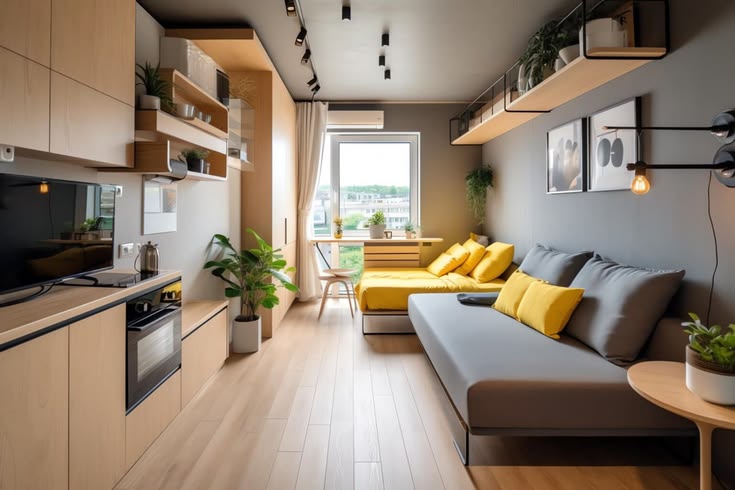
High-rise living is part of the Malaysian property landscape, especially in Kuala Lumpur, Petaling Jaya, Johor Bahru and Penang. A compact condominium unit can be stylish, comfortable and surprisingly practical, but only when every corner earns its keep.
The challenge is familiar. There are shoes near the entrance, kitchen gadgets that seem to multiply overnight, laundry waiting for its turn, and a living room that needs to work as a dining area, study spot and weekend hang-out zone. Add Malaysia’s humid weather into the mix, and storage is no longer just about hiding clutter. It is about keeping belongings dry, clean and easy to reach.
A smaller home does not need to feel cramped. With a few clever layout choices and storage habits, even a modest apartment can feel open, calm and properly lived in.
Start With the Way You Actually Live
Before buying organisers, shelves or another set of matching baskets, take a moment to look at how the home is used each day. A beautiful layout that does not suit daily routines quickly becomes frustrating.
For example, a couple who often works from home may need a flexible desk area more than a large dining table. A family with young children may value open floor space and hidden toy storage. Someone who enjoys cooking might prioritise a generous kitchen counter, even if that means keeping the sofa slightly smaller.
It helps to divide the home into simple zones:
Arrival zone: shoes, keys, bags, umbrellas and parcels
Living zone: seating, entertainment and guest space
Dining or work zone: meals, laptop use, bills and paperwork
Rest zone: sleeping, reading and quiet time
Utility zone: laundry, cleaning tools and household supplies
Once these zones are clear, it becomes easier to spot what is making the unit feel messy. Often, the issue is not a lack of storage. It is that items have no proper home.
Use Furniture That Works Harder
In a high-rise unit, furniture needs to earn its floor space. A bulky coffee table that only holds a remote control may not be the best choice. A storage ottoman, on the other hand, can hold blankets, board games or children’s books while still serving as a coffee table or extra seat.
Choose pieces with hidden storage
Bed frames with drawers are particularly useful in smaller bedrooms. They can hold spare bedsheets, towels, luggage or festive clothing without taking over the wardrobe. In Malaysia, where Hari Raya outfits, cheongsams, sarees and formal wear may only come out once or twice a year, under-bed storage can be a real lifesaver.
Consider these practical options:
Benches with lift-up compartments
Dining tables with fold-out leaves
Sofas with built-in storage beneath the seats
Nesting tables that can be tucked away after guests leave
Wall-mounted desks that fold flat when unused
The goal is not to turn the home into a furniture showroom. It is to select fewer pieces that do more.
Keep the visual weight light
Furniture with slim legs allows more of the floor to remain visible, which makes a room feel less crowded. Glass tables, open shelving and pale timber finishes can also help, though open shelves need a little discipline. A shelf filled with mismatched cables, old receipts and random charger plugs has a special talent for looking chaotic.
Where possible, keep the largest furniture pieces close to the walls. This leaves a clearer path through the centre of the room and helps the space feel easier to move around in.
Make the Entryway Work for You
Many Malaysian apartments have a compact entrance area, sometimes barely enough room for two people to stand comfortably. Yet this small patch of floor often becomes the first clutter hotspot.
A narrow shoe cabinet can make a huge difference, especially one with tilted shelves that keeps footwear upright. Add a small tray for keys, access cards and loose coins. A wall hook for umbrellas is helpful during the rainy season, when a dripping umbrella on the floor can create a slippery little disaster.
If space allows, place a small stool or bench near the door. It makes putting on shoes easier and can double as a temporary spot for grocery bags. Just avoid letting it become the famous “I’ll deal with it later” chair. Every home seems to have one.
Plan Around Vertical Space
Floor area may be limited, but walls offer plenty of untapped potential. Going vertical is one of the simplest ways to create storage without squeezing the room.
For residents looking at urban developments such as 121 Residences , it is worth considering wall-friendly storage ideas early, particularly when furnishing a new unit from scratch.
Useful wall storage ideas
Floating shelves above a desk or sofa
Magnetic strips for kitchen knives and metal utensils
Pegboards for tools, craft supplies or cooking equipment
Over-door hooks for bags, hats and cleaning items
Tall bookcases secured safely to the wall
In the kitchen, a rail with hooks can free up drawer space by holding ladles, spatulas and mugs. In the bathroom, a slim shelf above the toilet can hold extra toilet rolls, skincare products or small towels. These may sound like minor changes, but several small wins add up quickly.
Give the Kitchen a Clear System
Condominium kitchens are often compact, and Malaysian cooking can involve a fair amount of equipment. Rice cookers, air fryers, blenders, wok pans, spice jars and serving plates all need somewhere to live.
Start by keeping everyday items at arm’s reach. Heavy pots belong in lower cabinets, while lighter and less-used items can go higher up. Use drawer dividers for cutlery and cooking tools. Stackable containers are handy for dry goods such as rice, biscuits, cereal and coffee.
Try grouping items by activity rather than by category alone. Keep tea, coffee, mugs and teaspoons together in one area. Place baking supplies in another. When things are grouped sensibly, meal preparation becomes smoother and less like a scavenger hunt.
For small kitchens, a rolling trolley can be useful. It offers extra prep space and can be moved aside when friends come over. Choose one with wheels that lock, especially on tiled floors.
Create Rooms That Can Change With the Day
In compact homes, a room rarely has just one purpose. A dining corner may become a workstation on weekday mornings. The living room may become a guest sleeping area during festive visits. Flexibility is the secret ingredient.
Use visual separators
There is no need to build walls to define different areas. Rugs, lighting, curtains and open shelving can create separation without blocking natural light.
A rug beneath the sofa helps establish the living area. A pendant light above the dining table makes that corner feel intentional. A slim open shelf between the work desk and sofa can hold books and plants while creating a gentle boundary.
For studio units, a curtain track can separate the bed from the main living space. It is affordable, easy to change and softer than a solid divider. Light-filtering fabric works well where privacy is needed without making the room feel boxed in.
Reduce Clutter Before Buying More Storage
Storage solutions are useful, but they cannot solve everything. Sometimes the most effective way to create space is to own fewer items that are no longer useful.
Set aside time every few months to review clothes, kitchenware, paperwork and old electronics. Expired products, duplicate cables and chipped mugs often linger far longer than expected. Donation drives, recycling centres and community groups can give usable items a second life.
A simple rule can help: if something has not been used in a year and holds no meaningful value, it may be time to let it go. Sentimental items are different, of course. A box of old family photographs deserves a proper place, not a rushed clear-out.
Keep Humidity in Mind
Malaysia’s humidity can be tough on clothes, leather goods, books and wooden furniture. Closed cabinets, especially those near bathrooms or external walls, may trap moisture and develop a musty smell.
Use moisture absorbers in wardrobes and storage cupboards. Leave a little space between items rather than packing them tightly. Vacuum bags are helpful for bulky duvets and seasonal clothing, but check them occasionally to make sure moisture has not built up.
For shoes and bags, breathable fabric organisers are often better than fully sealed plastic boxes. A small dehumidifier can also be worthwhile in units with limited airflow, particularly during long rainy periods.
A Home That Feels Bigger Than Its Square Footage
Small-space living is less about sacrificing comfort and more about making thoughtful choices. A clear walkway, a well-planned wardrobe and a dining table that folds away can change the whole feel of a home.
The best layouts are rarely the most complicated. They simply match the people living there. Keep what is useful, store what is needed, and leave enough room to breathe. That is when a high-rise apartment starts feeling less like a tight box and more like home.