The Connection Between Skin Barrier Health and Healthy Aging
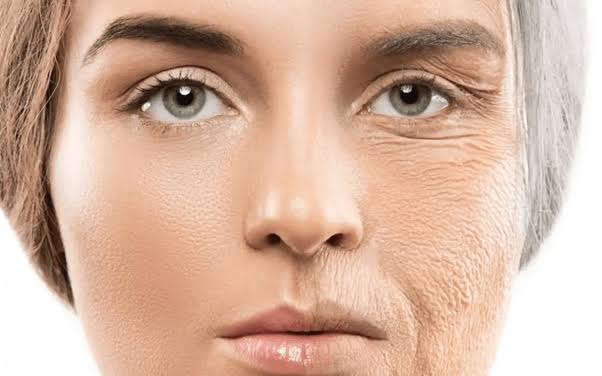
Here’s a thing nobody tells you about aging skin: most of what you’re actually noticing has almost nothing to do with the surface. When you see a fine line, you buy something for fine lines, and similarly for dullness, you buy a brightening serum.
Round and round it goes, chasing symptoms while the actual cause sits one layer down.
That layer is the skin barrier, which needs to be uncompromised for your skin to remain healthy. Its condition, more than any single product you could name, decides how your skin ages.
What’s Actually Happening Under There
Picture a wall where the skin cells are bricks, and lipids, such as ceramides and cholesterol, are the mortar holding it all together. With intact mortar, moisture stays where it belongs while irritants stay out. Conversely, water leaves faster than skin can replace it when the barrier is compromised.
Meanwhile, pollution, bacteria, allergens – they all find a way in more easily than they should.
Aging speeds up steadily, where lipid production drops off, and cell turnover slows. So, the whole cycle of shedding old cells and generating new ones takes longer than it used to.
Somewhere around your forties, that skin barrier repair process might be running at half the speed it did two decades earlier. You don’t wake up one day and notice this happened: your skin gradually feels tighter and reacts to things it used to tolerate.
Recovery from a new product, a bad night’s sleep, or a change in weather takes longer than it once did.
It’s Not Only Collagen
Collagen decline gets all the attention when people talk about wrinkles. It is important. But a weakened barrier speeds that whole process along in a way that needs attention.
Skin losing the water it needs behaves differently: lines sit deeper, and volume disappears from around them. So fine lines and wrinkles treatment aimed purely at boosting collagen, without addressing hydration or barrier repair, tends not to be effective or produce long-term results.
There’s also inflammation to discuss. A compromised barrier lets low-grade inflammation settle into skin tissue, often with zero visible signs. There is no redness and no obvious irritation. Just a slow, ongoing process that quietly wears down collagen and elastin over months or years.
Which is probably why two people the same age can look completely different. It depends on how much abuse their barrier has suffered over time.
Elasticity Is A Hydration Story Too
People treat elasticity as a collagen-and-elastin conversation, but hydrated tissue at the cellular level is more pliable.
Skin that’s constantly leaking water through a broken barrier can’t hold the necessary moisture for that pliability. No amount of elastin serum layered on top changes that fact.
This is part of why so many skin professionals now push barrier repair ahead of actives. For instance, put retinoids or acids onto skin whose barrier isn’t functioning, and even good ingredients can backfire. You get irritation and sensitivity spikes.
Worse, the irritation itself damages the barrier a little more, which starts the whole cycle over again.
Maybe Sensitivity Isn’t What You Think It Is
This one’s worth slowing down on. A huge portion of what gets labeled “sensitive skin” isn’t a fixed skin type at all; it’s a barrier under strain.
Someone can have tough, resilient skin for thirty years and then, through a mix of aging, sun exposure, over-exfoliating, and general wear and tear, end up with a compromised barrier.
That distinction changes everything about how you approach it.
Treat sensitivity as permanent, and the instinct is to avoid actives forever. Understand it as a barrier problem, and the goal shifts to restoring that barrier. This is so that the skin can eventually handle the ingredients that genuinely address aging.
Signs your barrier might already be under strain
Most people don’t realize their barrier has weakened until something forces the issue.
This could be skin that suddenly stings from a product it tolerated for years. Or maybe skin tightening that occurs right after cleansing, especially if it lingers rather than fading.
Redness that shows up without an obvious trigger, or breakouts that seem to have no pattern, can also point back to the same thing. Even persistent dullness, where the skin doesn’t respond to exfoliation the way it used to, is often less about dead skin buildup and more about a barrier that isn’t retaining moisture.
None of these show up as a single dramatic symptom: they accumulate, which is exactly why they get missed or blamed on the wrong thing entirely.
A handful of things tend to help with restoration:
- Ceramide-rich moisturizers, replacing what the barrier has lost
- Cleansers that are gentle and pH-balanced, nothing that strips
- Reintroducing actives slowly instead of all at once
- SPF, worn consistently, since UV exposure breaks barrier function down fast
None of it is exciting and asks for patience; most people don’t want to give an anti-aging skincare routine, which is probably why it often gets skipped for other options.
What Actually Holds Up Over Time
The skincare industry likes to sell aging as a “fight” you win with the newest ingredient on shelves. But long-term results come from sequence, where you put the barrier first. Hydration and tolerance are given precedence over intensity.
Anyone who works closely with post-procedure skin knows this instinctively.
Skin recovering from a peel or laser session needs an intact barrier just to heal properly. That same order applies at home too. Build the barrier up first and support elasticity through actual hydration. Then start layering in whatever’s meant to target fine lines or deeper structural aging. It’s a duller message than “this one ingredient changes everything overnight.”
But since skin doesn’t age overnight in reality, it doesn’t heal that way either. Years of small, accumulated stress lead to aging; slow, repeated care heals the skin. The barrier is where that has to start.