The Ultimate Guide to Choosing Heavy Equipment for Construction Projects
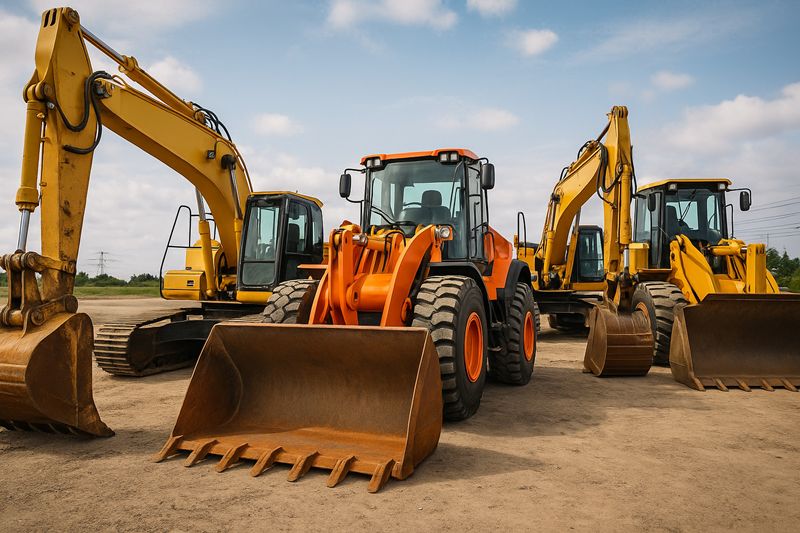
When undertaking construction projects, selecting the right heavy equipment is crucial for efficiency, safety, and cost-effectiveness. This guide provides a comprehensive overview to assist project managers, contractors, and engineers in making informed decisions about heavy machinery, particularly in the context of mining equipment hire.
Understanding the Importance of Heavy Equipment in Construction
Heavy construction equipment plays a vital role in multiple stages of a project, from site preparation and excavation to material handling and finishing tasks. The correct choice of machinery not only accelerates the workflow but also reduces labour costs and minimises project delays.
Types of Heavy Construction Equipment
There is an extensive range of heavy equipment types, each tailored to specific construction needs. Some of the fundamental categories include excavators, bulldozers, loaders, cranes, and dump trucks. Understanding the capabilities and ideal use cases of each is necessary for effective project planning.
Excavators
Excavators are versatile machines used for digging foundations, trenches, and holes. They are equipped with a bucket, arm, rotating cab, and movable tracks, providing excellent manoeuvrability on construction sites. Selecting an excavator depends on the project’s scale and soil conditions.
Bulldozers
Bulldozers are heavy, tracked machines utilised primarily for earthmoving operations. They excel in pushing large quantities of soil, sand, rubble, or other materials. The size and blade type influence their suitability for different tasks.
Loaders
Loaders come in various forms such as wheel loaders and skid steer loaders, used for loading materials into trucks, moving debris, and excavation support. Their capacity and mobility are key factors when evaluating options.
Factors to Consider When Choosing Heavy Equipment
Several interrelated factors influence the selection process, including project requirements, site conditions, equipment availability, operator proficiency, and budget constraints.
Project Requirements
Careful assessment of the project scope helps determine the type, size, and quantity of equipment needed. Considerations include the nature of the terrain, material types involved, and the timeline for project completion.
Site Conditions
Soil stability, space limitations, and environmental factors affect the operational efficacy of heavy machinery. Equipment with suitable features such as enhanced traction or compact dimensions might be necessary for challenging sites.
Equipment Availability and Maintenance
Reliable access to well-maintained machinery reduces downtime and supports project continuity. Rental options from companies specializing in mining equipment hire often provide access to the latest models with assured maintenance standards.
Operator Skill Levels
The proficiency of equipment operators significantly impacts safety and productivity. Some machines require specialised skills; hence, training or hiring experienced personnel should be factored into the decision-making process.
Budget Considerations
Balancing quality and cost is essential. While owning equipment represents high upfront investment and maintenance expenses, hiring heavy machinery, especially from reputable providers of mining equipment hire, can be more economical for specific projects.
The Advantages of Mining Equipment Hire for Construction
Renting equipment offers several benefits including flexibility, access to modern machinery, reduced maintenance liabilities, and financial efficiency. Clients can scale equipment use up or down according to project demands without long-term commitments.
Safety and Compliance
Heavy equipment operations are subject to stringent safety regulations to protect workers and prevent accidents. Selecting machinery that meets compliance standards and ensuring operators are trained in safety procedures are fundamental responsibilities.
Environmental Considerations
Modern equipment often incorporates technology that reduces emissions and fuel consumption. Choosing environmentally friendly machinery aligns with sustainable construction practices and regulatory requirements.
Technology and Innovations in Heavy Equipment
Innovative features such as GPS tracking, automated controls, and telematics improve precision, monitor maintenance needs, and enhance operational efficiency. Staying informed about technological advancements aids in making superior equipment choices.
Conclusion
Selecting the appropriate heavy equipment is a multidimensional decision impacting the success of construction projects. Thorough evaluation of project specifics, site conditions, budget, and operator capabilities is essential. Opting for mining equipment hire can provide practical advantages by offering flexibility, reliability, and access to advanced machinery, thereby facilitating optimal project outcomes.