Unlocking Blue Hydrogen Production: The Bridge to a Low-Carbon Future
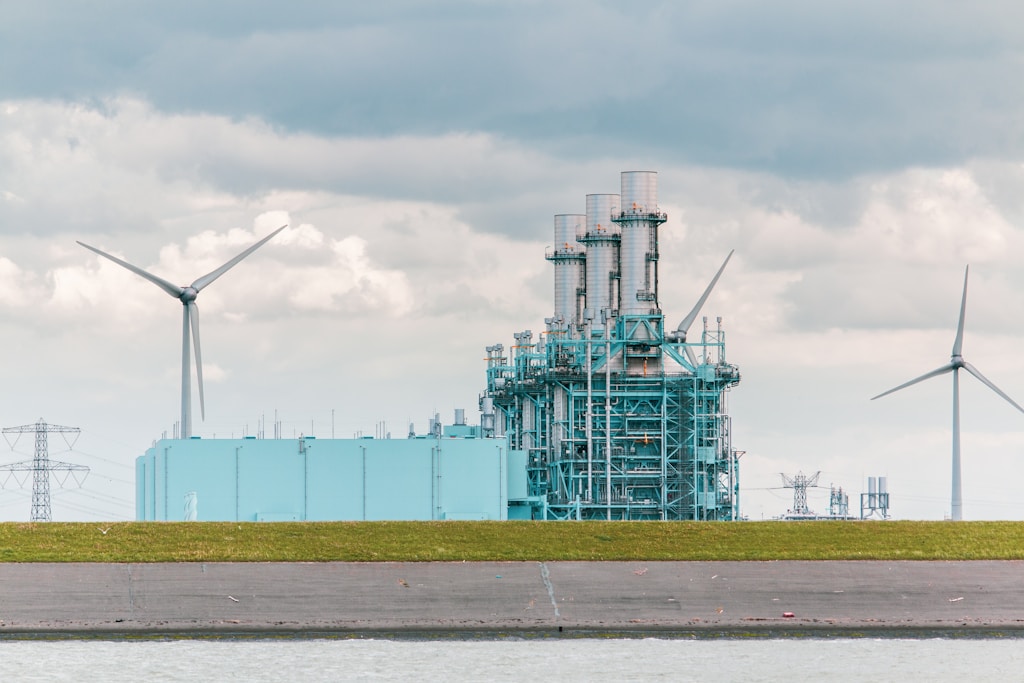
As the global energy landscape transitions toward decarbonization, hydrogen has taken center stage as a crucial fuel for heavy industry, power generation, and transportation. While green hydrogen (produced via water electrolysis powered by renewables) remains the ultimate long-term target, it currently faces high production costs and capacity scale-up limits.
Enter blue hydrogen production a highly viable, cost-effective solution capable of decarbonizing heavy industries today by combining mature natural gas reforming processes with advanced Carbon Capture, Utilization, and Storage (CCUS).
1. What is Blue Hydrogen Production?
At its core, blue hydrogen is hydrogen produced from hydrocarbon feedstocks—typically natural gas (methane)—where the resulting carbon dioxide emissions are captured and either permanently stored underground or utilized in industrial processes instead of being released into the atmosphere.
- Grey Hydrogen: Natural gas reforming without carbon capture (carbon dioxide is emitted into the atmosphere).
- Blue Hydrogen: Natural gas reforming with CCUS integrated to capture up to 90–95%+ of carbon dioxide emissions.
- Green Hydrogen: Water splitting powered entirely by zero-emission renewable electricity.
2. The Two Primary Blue Hydrogen Production Methods
Producing blue hydrogen relies on two main chemical pathways to extract hydrogen from methane:
A. Steam Methane Reforming (SMR)
SMR is the most established, widely used industrial process for hydrogen generation.
- Reforming: Methane reacts with high-temperature steam (700 to 1,100°C) over a nickel catalyst to create syngas, which is a mix of hydrogen and carbon monoxide.
- Water-Gas Shift (WGS): The syngas reacts with additional steam over a catalyst to convert carbon monoxide into more hydrogen and carbon dioxide.
- Carbon Capture: Carbon dioxide is scrubbed out (often using amine gas treatment) and diverted to CCUS.
B. Autothermal Reforming (ATR)
ATR is increasingly favored for new, large-scale blue hydrogen projects due to its higher carbon capture efficiency and lower energy intensity:
- Instead of external heating, ATR adds controlled doses of pure oxygen to burn a portion of the methane internally, generating the heat required for the reforming reaction.
- The ATR Advantage: It produces a more concentrated, pressurized carbon dioxide stream, making carbon capture significantly easier and more cost-effective compared to traditional SMR.
3. Key Challenges and Instrumentation Considerations
While blue hydrogen utilizes proven reforming techniques, scaling up carbon capture introduces rigorous process control and safety challenges. SMR and ATR operate under extreme thermal conditions. Precise temperature monitoring via industrial thermometers and transmitters is essential to protect catalysts from coking and overheating. In ATR, oxygen and steam-to-carbon ratios must be measured with absolute precision to maintain safe combustion and optimal gas yields. Impurities like trace moisture, hydrogen sulfide, or residual carbon oxides can damage fuel cells and downstream pipelines. Continuous optical gas analysis ensures strict hydrogen quality compliance. High-accuracy Coriolis flow meters and level gauges are critical at the carbon capture and storage interface to verify environmental compliance and manage carbon credits accurately.
4. Why Blue Hydrogen is Essential Today
- Immediate Scalability: Blue hydrogen builds upon existing, robust natural gas supply chains and industrial infrastructure.
- Economic Viability: It offers a lower levelized cost of production than green hydrogen, providing heavy industries (steel, refining, chemicals) an affordable near-term decarbonization pathway.
- High Volume Production: ATR-based blue hydrogen facilities can generate massive volumes of continuous hydrogen, matching the high baseload demand of large industrial clusters.
Summary
Blue hydrogen acts as the vital bridge in the global transition to clean energy. By combining time-tested SMR or ATR technology with modern CCUS and ultra-reliable process measurement instrumentation, industries can dramatically slash greenhouse gas emissions right now while preparing for the fully zero-emission hydrogen economy of tomorrow.