How to Plan Public EV Charging Locations That Drivers Can Actually Use
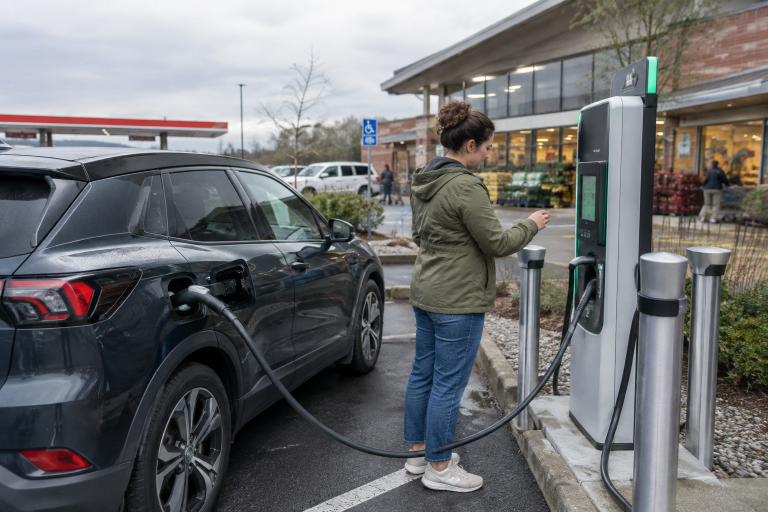
Public EV charging succeeds when it solves a real travel or parking need, rather than simply placing equipment in an available corner of a property. Whether a site includes overnight charging or DC fast chargers for public and fleet use, the experience depends on location, electrical capacity, traffic flow, safety, and dependable operation.
A strong plan looks beyond charger count and power ratings. It considers who will arrive, how long they will stay, what they need while charging, and how the site can adapt as vehicle technology and local demand change.
Why Location Matters
A busy road can provide visibility, but it does not automatically create a useful charging stop. Drivers also need safe entry and exit, available parking, a reasonable wait environment, and services that fit their expected dwell time. Highway stops may benefit from restrooms, food, and quick charging. Hotels, workplaces, apartments, and garages may be better suited to longer sessions. The best site serves a well-defined group of users well rather than attempting to meet every possible need.
Start With Driver Needs
Begin with the driver journey. Identify whether the location will primarily serve local residents, commuters, road-trip drivers, visitors, or fleet vehicles. Ask how long vehicles typically remain on site, whether drivers need a quick top-up or a longer charge, and which payment options and connector types they are likely to expect.
For example, a downtown garage may prioritize dependable charging during work, shopping, or events. A rural highway stop may need easy pull-through access, clear signs, faster charging, and nearby amenities for drivers waiting during a travel break.
Check the Site Before Planning
A preliminary site review prevents expensive surprises later. Municipal EV charging infrastructure planning resources can help communities consider local needs, property types, and practical locations before committing to equipment.
- Observe traffic patterns during busy and quiet periods.
- Review entrances, exits, parking supply, and vehicle turning space.
- Locate electrical service, utility equipment, drainage, slopes, and underground infrastructure.
- Check lighting, visibility, security, nearby services, operating hours, and pavement condition.
- Confirm zoning, permits, property rights, and any parking restrictions.
Choose the Right Charger Mix
Charger speed and quantity should match the property’s purpose. Long-stay locations such as apartments, hotels, workplaces, and public garages may benefit from a charging system that accommodates longer parking periods. Travel corridors, short retail visits, and high-turnover locations may need faster options. Mixed-use sites can combine charging types when they serve distinct groups.
The highest available power rating is not always the right answer. A balanced mix can serve more vehicles, fit the available electrical service, and keep construction and operating decisions aligned with actual demand. Consider vehicle compatibility, cable reach, and whether power is dedicated to each port or shared among multiple ports.
Plan for Power Demand
Talk with the utility early. Confirm the property’s current electrical capacity, likely peak demand, upgrade requirements, and the expected timing of any utility work. Early coordination helps planners understand whether the project can proceed as designed or needs a different phasing strategy.
Load management can coordinate charging across several ports when demand is high. Depending on the site, planners may also evaluate battery storage, on-site generation, or additional conduit for future equipment. The U.S. Department of Energy notes that utilities are crucial partners in EV deployment, particularly when a site needs a detailed power assessment.
Make the Layout Easy to Use
A charger can work perfectly while the site itself frustrates drivers. Use signs that guide vehicles from the road and parking entrance, create clear circulation paths, and leave enough room for turning, reversing, opening doors, and connecting cables. Place screens, payment information, and support instructions where users can reach them without standing in traffic.
Poor traffic flow can create queues that block driveways or parking aisles. A simple layout with obvious spaces, sensible cable placement, weather-aware drainage, and a waiting area outside vehicle paths makes the stop more predictable for everyone.
Build for Accessibility and Safety
Accessibility and safety should shape the first drawing, not become a late adjustment. Keep accessible routes clear, use readable instructions, provide suitable lighting, reduce cable trip hazards, and protect equipment from vehicle strikes. Emergency access should remain open at all times.
Design also needs to account for rain, snow, heat, flooding, and low visibility. Thoughtful choices support older drivers, people with disabilities, families, and first-time public charging users while making the site easier to navigate for all drivers.
Prepare for Future Growth
Build in stages when demand is uncertain. Install the number of chargers current use supports, but reserve physical space, conduit, electrical pathways, and software capacity for later expansion. Review utilization after six and twelve months to determine whether more ports, different power levels, or layout changes are warranted.
Futureproofing does not mean predicting every technology change. It means preserving practical options as battery sizes, connector preferences, fleet needs, and local travel patterns evolve.
Keep the Site Reliable
Reliability includes more than whether a charger appears online. Monitor equipment and communications, schedule preventive inspections, keep payment and pricing information up to date, and provide clear support instructions at each port. Track failed sessions and reported outages, since drivers can encounter authorization, software, connector, or payment issues even when a unit appears available.
Measure Results After Launch
Review charging sessions, energy delivered, average session length, peak use by hour and day, failed attempts, wait times, repeat users, and maintenance response time. These measures can guide changes to pricing, parking rules, signage, staffing, equipment placement, and expansion plans.
Public EV Charging Planning Checklist
- Define the primary user group and expected dwell time.
- Match charger speed and quantity to the site’s purpose.
- Review traffic, parking, turning space, amenities, and site access.
- Confirm utility capacity, permits, property rights, and upgrade needs.
- Plan accessible routes, lighting, drainage, and safe vehicle movement.
- Reserve space and electrical pathways for future growth.
- Establish clear procedures for payment, support, maintenance, and monitoring.
- Set first-year performance goals and review them regularly.
Conclusion
A successful public EV charging location is a complete service, not merely a row of charging units. When site selection, user needs, power planning, layout, accessibility, operations, and future expansion are considered together, drivers receive a smoother experience and property owners gain a more durable foundation for long-term use.