What Makes Marble Fireplace Surrounds Feel Unique In Every Home?
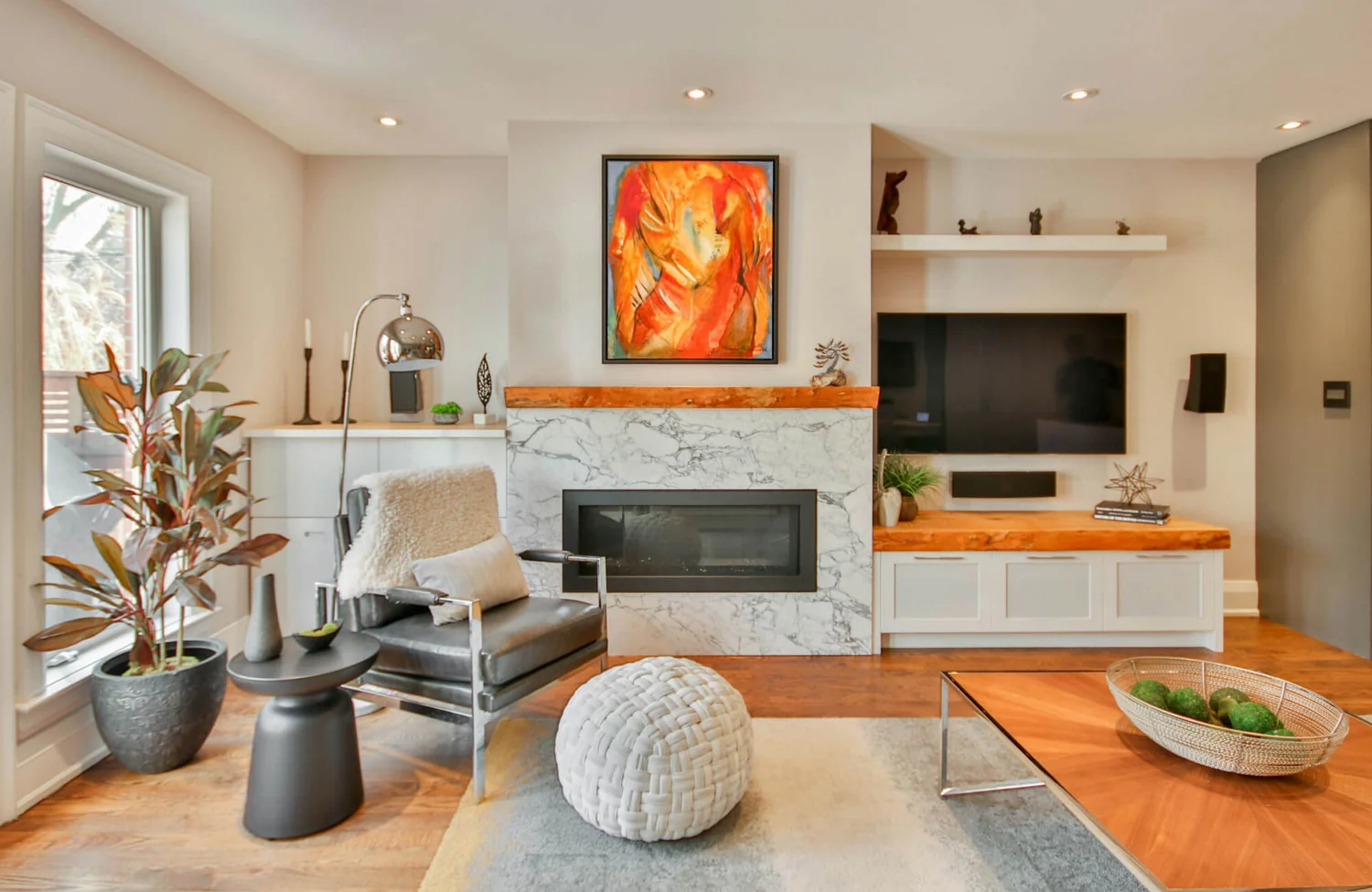
A fireplace naturally attracts attention, but the material surrounding it determines much of its visual character. Among the many options available, marble has a distinctive ability to make a fireplace feel permanent, expressive, and closely connected to the overall architecture of a home. It can appear elegant in a traditional room, restrained in a minimalist interior, or dramatic in a space designed around bold natural materials.
What makes marble particularly interesting is that it never feels completely standardized. Its natural markings, color variations, proportions, finish, and relationship with surrounding furnishings all influence the final appearance. As a result, two homes can feature similar marble fireplaces while creating entirely different impressions.
Natural Patterns Give Every Installation Its Own Identity
One of the defining characteristics of marble is its natural veining. These lines and patterns developed within the stone over extremely long periods, creating surfaces that cannot be perfectly duplicated.
Some slabs feature subtle lines that move gently across a pale background. Others contain dramatic veins, cloudy formations, or noticeable shifts in tone. Once the stone is cut and arranged around a fireplace, these markings become part of the design.
The direction of the veins can also affect perception. Horizontal movement may emphasize the width of the fireplace, while stronger vertical patterns can draw attention upward. In this way, natural variation prevents marble from looking like a repetitive manufactured surface.
The Surround Responds To The Architecture
A fireplace does not exist independently from the room around it. Ceiling height, wall dimensions, windows, flooring, molding, and furniture placement all influence its visual impact.
In a period property, a detailed marble fireplace surround can complement decorative molding, tall ceilings, paneled walls, and traditional furnishings. In a contemporary home, cleaner marble forms can create a strong focal point without competing with simple architectural lines.
Scale matters as well. A broad surround can give a large room a sense of proportion, while a more compact design may suit an intimate sitting room. The architecture therefore changes the way the marble is experienced, even when similar materials are used.
Different Finishes Change The Mood
The finish applied to marble significantly affects its character. Highly polished marble reflects more light and highlights color and veining. This can create a formal, refined appearance, particularly when combined with decorative fireplace details.
A honed surface offers a softer effect. Because it reflects less light, the stone can appear calmer and more understated. This makes it particularly suitable for interiors where natural materials are intended to contribute texture rather than shine.
A finish should therefore be considered as part of the room rather than simply as a technical choice. Natural light, artificial lighting, nearby textures, and the desired atmosphere can all influence which surface treatment feels appropriate.
Surrounding Materials Create New Combinations
Marble changes visually depending on what sits beside it. Pairing it with dark timber can emphasize warmth and contrast, while pale wooden floors may produce a lighter and more relaxed appearance.
Metal introduces another dimension. Brass or bronze accessories can complement warmer marble tones, while black metal may create sharper definition. Nearby textiles also matter. Wool, linen, velvet, and other soft materials can balance the hardness of stone and help the fireplace feel integrated into a comfortable living space.
Wall treatments have an equally important role. Paint, wallpaper, paneling, plaster, or exposed architectural details can each create a different background for the same type of marble.
Craftsmanship Adds Another Layer Of Individuality
The way marble is shaped can transform its personality. Straight edges and restrained proportions tend to suit contemporary interiors, whereas carved columns, curved profiles, decorative motifs, and substantial mantels can introduce a more classical influence.
Craftsmanship becomes especially noticeable around transitions and details. The relationship between the mantel, legs, opening, hearth, and surrounding wall determines whether the fireplace appears visually balanced.
Small differences in depth, edge treatment, and carving can completely change how light creates shadows across the stone. These details give homeowners an opportunity to select a fireplace that feels appropriate to the character of the property rather than simply following a general design trend.
Lighting Continually Changes The Stone
Marble does not necessarily look identical throughout the day. Morning sunlight may reveal subtle mineral patterns that become less noticeable under evening lighting. Shadows can make deeper veins appear more dramatic, while warm artificial light can soften cooler stone tones.
The fireplace itself can contribute to this changing appearance. When in use, the movement and warmth of the fire create contrast against the solid stone surrounding it. This relationship between natural material, light, and flame gives the feature a sense of visual movement despite its permanent structure.
Personal Styling Completes The Fireplace
Ultimately, homeowners influence the character of a marble fireplace through the objects and furnishings placed around it. A formal and open atmosphere can be achieved by placing a large mirror above the mantle. Artwork may introduce color and personality, while a minimally styled mantel allows the stone itself to remain the main attraction.
Furniture positioning also determines whether the fireplace becomes a central gathering point or a quieter architectural feature. Even seasonal changes to accessories can alter the way the marble is perceived.
A Feature That Develops Its Own Character
The individuality of marble fireplace surrounds comes from more than the material alone. Natural veining, architectural proportions, craftsmanship, lighting, surrounding textures, and personal styling all contribute to the finished result.
Rather than producing an identical appearance from one property to another, marble responds to its surroundings. This adaptability allows a fireplace to feel connected to the home in which it is installed, giving each room a focal point with its own distinctive character.