When Should You Upgrade Your Portable Solar Generator?
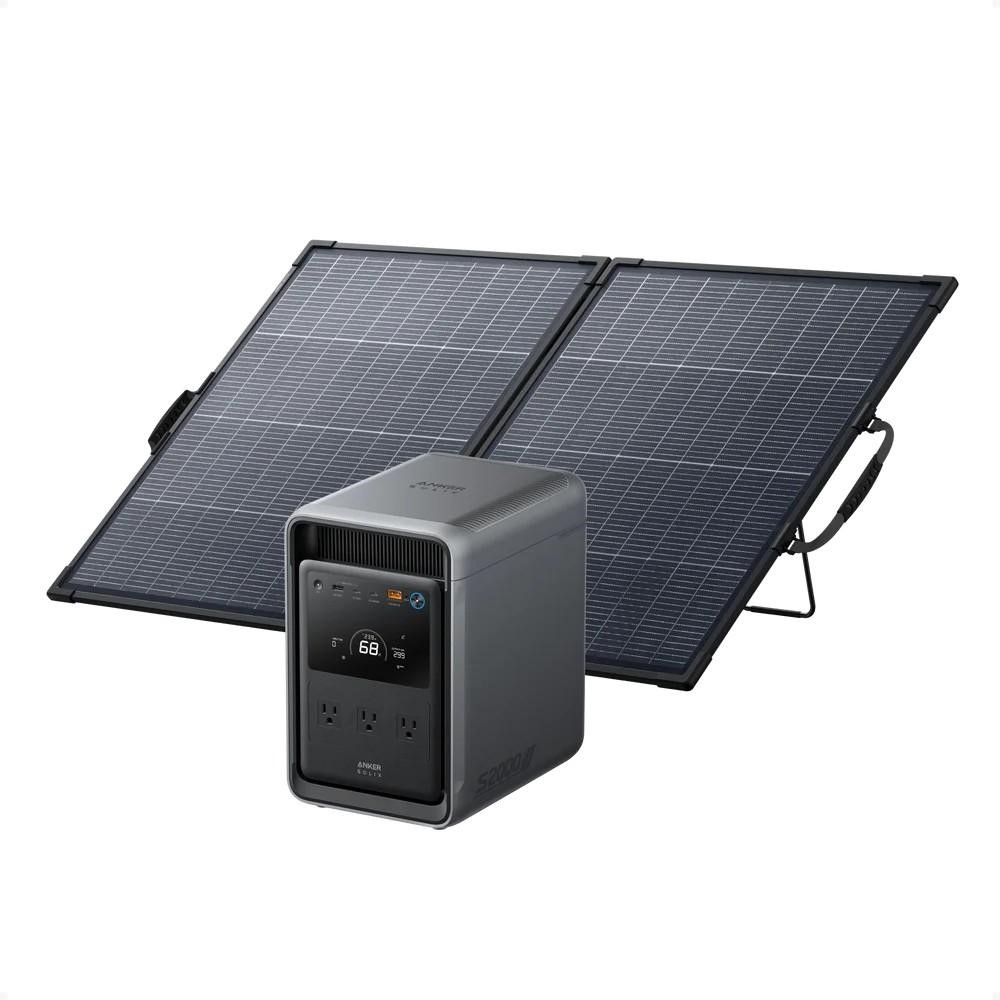
Upgrading a portable solar generator makes sense when the way you rely on stored power has changed. Perhaps occasional camping has grown into longer trips, or a simple charging setup now supports refrigerators, routers, work equipment, and other home essentials. The decision should come from real power needs rather than capacity alone. Runtime, output, recharge flexibility, portability, and battery longevity all affect whether a newer system fits your current routine better and gives you more practical ways to stay prepared.
Recognize When Your Power Routine Has Outgrown Its Original Setup
Your Backup Plan Now Covers More Than Basic Devices
A small power setup may begin with phones, lights, or a laptop, but backup priorities often expand over time. A household might later want to keep a refrigerator, Wi-Fi router, television, sump pump, or other essential equipment running during an outage. This changes the amount of stored energy and output capability that matters. A larger portable solar power generator becomes especially relevant when several important loads form part of the same backup plan. The Anker SOLIX S2000 offers 2,010Wh of capacity with 1,500W rated AC output and 3,000W peak output. Anker states that it can power 99% of essentials, positioning it for broader household backup rather than occasional charging alone.
Runtime Has Become More Important Than Occasional Power
Another upgrade signal appears when the question changes from “Will this device run?” to “How long can I keep it running?” Runtime becomes increasingly important for refrigeration, communications, home offices, and equipment that needs sustained power. It is useful to map essential devices by priority and expected operating time instead of focusing only on their wattage. The S2000 illustrates this difference with application-specific figures. Anker lists up to 35 hours of refrigerator backup, 81 hours for a 10W Wi-Fi router, 17 hours for a 100W television, and six hours for a 300W sump pump. These figures show why a 2kWh-class system may become relevant when backup needs extend beyond brief interruptions.
Home Backup Is Becoming Part of Everyday Preparedness
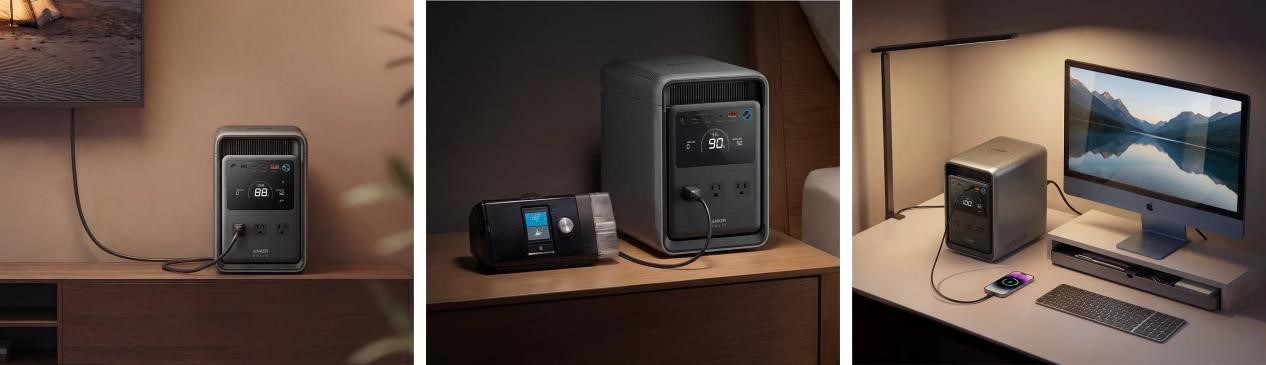
Portable power may eventually move from being an occasional emergency item to a regular part of household preparedness. That shift changes what features deserve attention. A home office, for example, may depend on continuous connectivity and powered electronics during an interruption. The S2000 provides a 10 ms UPS switchover and is designed to move between rooms without electrical rewiring. Front and rear outlets also allow equipment to connect from different sides of the unit. For quieter indoor settings, Anker specifies 30 dB operation while powering home essentials under 600W. These characteristics matter when a power station is expected to sit near working, living, or sleeping spaces rather than remain stored until an outdoor trip.
Upgrade When Flexibility Matters as Much as Stored Energy
Your Charging Routine Now Changes With the Situation
Capacity only tells part of the story. A power station also needs a practical way to recover energy between periods of use. People who alternate between home backup, road travel, and outdoor activities may benefit from having several charging routes available. The S2000 supports six ways to recharge. The supplied product information includes 400W solar input, up to 1,600W AC input, a 120W car outlet, and 400W alternator charger input. With 400W solar input, it can recharge to 80% in 4.5 hours under the stated conditions. A 1,600W wall outlet in UltraFast Mode reaches 80% in 1.2 hours. This flexibility becomes meaningful when power availability changes from one setting to another.
Portability Has Become a Practical Requirement
An upgrade does not always mean choosing a physically larger system. Higher capacity becomes more useful when the unit still fits naturally into the spaces where power is needed. This matters when moving a station between a kitchen, office, vehicle, campsite, or storage area. The Anker SOLIX S2000 measures 8.2 × 11.1 × 12.7 inches and weighs 35.7 pounds. Anker describes it as 30% smaller and 25% lighter within its stated 2kWh comparison. Built-in handles support carrying, while its compact footprint allows it to occupy relatively limited indoor space. For someone upgrading from a lower-capacity unit, this combination shows why physical dimensions and carrying requirements should be considered alongside watt-hours.
You Want a Power System Designed for Long-Term Use
Upgrade decisions can also reflect how frequently a power station will become part of daily life. Regular home backup, outdoor travel, and energy management place greater importance on battery cycle life and system management. The S2000 uses next-generation 314Ah LFP cells. Its specifications list 6,000 cycles to 80% capacity and 10,000 cycles to 60% capacity, alongside a stated 15-year lifespan and five-year warranty. The accompanying app also supports remote monitoring and control, Storm Guard auto-charging, monthly auto-cycling, and Time-of-Use charging schedules. These features shift the role of a portable power station from a device kept for isolated situations toward a system that can be actively managed over many years.
Conclusion
The right time to upgrade comes when portable power starts serving a larger role in daily life. More essential devices, longer backup expectations, changing recharge environments, frequent movement, and long-term energy planning can all reshape what a useful system looks like. The Anker SOLIX S2000 combines 2,010Wh capacity with multiple recharge methods, compact dimensions, LFP battery technology, and home-focused backup features, making it a relevant example of what a higher-capability portable power station can offer.