Which Generator Types Are Suitable for Apartment Buildings?
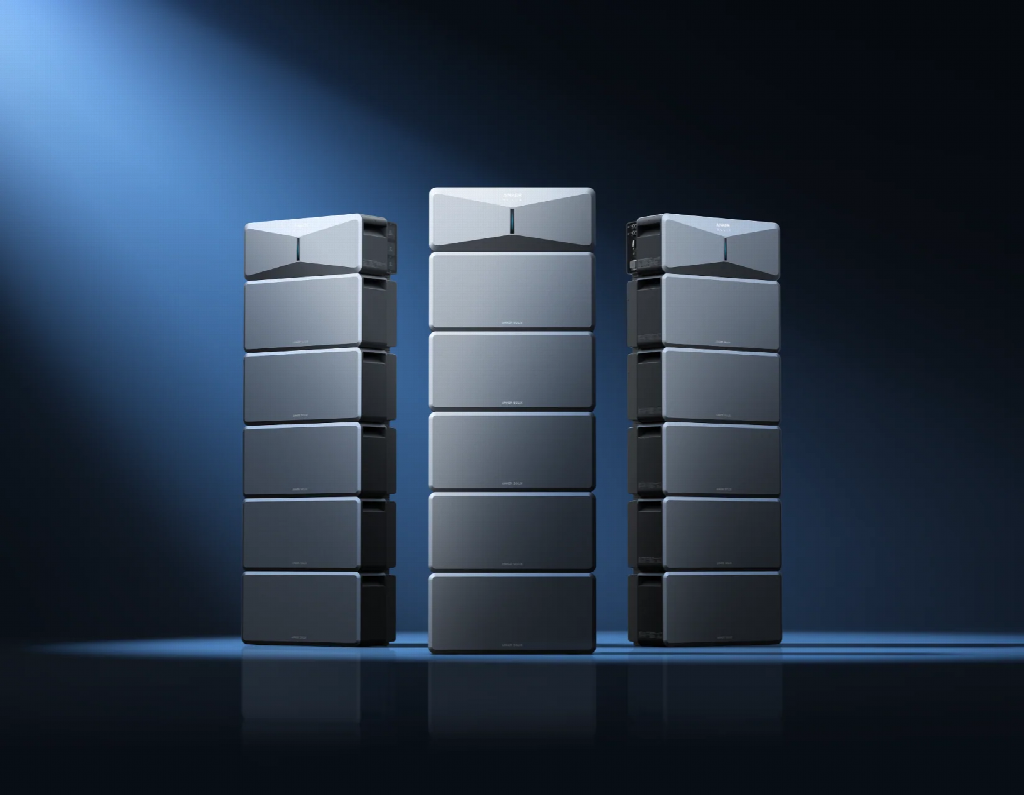
Apartment buildings need backup power for more than individual appliances. Elevators, emergency lighting, fire safety systems, water pumps, access controls, and communications equipment may all depend on reliable electricity. The right generator type depends on which services must remain available, how long an outage may last, and what the building’s electrical infrastructure can support. Property managers should assess essential loads, installation space, ventilation, noise limits, and local fire and electrical codes before choosing a backup system.
Three Generator Types for Apartment Building Backup
Standby Generators for Shared Building Services
Standby generators suit apartment buildings that require a dedicated backup supply for essential shared equipment. Permanently installed units connect to the building’s electrical distribution system through approved transfer equipment and can start automatically when utility power fails. Depending on the design and available capacity, they may support emergency lighting, selected elevators, water pumps, fire safety equipment, and other designated circuits. Building engineers must calculate the simultaneous demand of these loads and account for motor startup currents, particularly from pumps and elevators. They should also confirm fuel storage arrangements, exhaust routing, acoustic limits, and maintenance access. A professional load assessment determines whether the system should serve essential circuits only or support a broader portion of the building.
Portable Generators for Temporary or Localized Needs
Portable generators may suit temporary maintenance work, renovation projects, and selected outdoor applications around an apartment property. Maintenance teams might need electricity for compatible tools, temporary lighting, or equipment operating in an area without a convenient power connection. However, a portable generator does not automatically provide building-wide backup. Any connection to fixed building circuits requires properly rated transfer equipment and qualified electrical work. Managers must also consider safe placement, weather protection, fuel handling, and carbon monoxide exposure. Fuel-powered models must operate outdoors in locations that keep exhaust away from windows, doors, and ventilation intakes. For routine building resilience, portable types of generators are best assessed according to the specific temporary loads they need to supply.
Battery Backup Systems for Essential Electrical Loads
Battery-based backup systems store electricity and deliver it through power conversion equipment when needed. Apartment buildings may use them for selected lighting circuits, communications equipment, access controls, monitoring systems, and other compatible loads. Their suitability depends on both output power and stored energy. Kilowatts indicate how much equipment a system can operate at once, while kilowatt-hours indicate how much energy it stores. For example, a 10 kWh battery could theoretically supply a 1 kW load for 10 hours before conversion losses and reserve requirements. Building managers should also examine automatic transfer arrangements, electrical compatibility, battery placement, and applicable fire safety requirements. A carefully designed battery system can support essential services while fitting into a broader building backup strategy.
How to Match Backup Technology to Building Requirements
Start With Elevators, Pumps, and Life-Safety Loads
The most important selection decision is which services must operate during an outage. Emergency lighting, fire alarm equipment, smoke control, and other life-safety systems require particular attention to applicable codes and dedicated power arrangements. Elevators and water pumps introduce additional complexity because their motors may draw much higher current during startup than during normal operation. Engineers should prepare a load schedule that records each system’s running demand, startup requirements, operating priority, and expected duration. They can then determine which loads need immediate backup and which may operate in stages. This assessment provides a more reliable basis for equipment selection than choosing a generator from the building’s total connected load alone.
Solar-Integrated Storage for Common-Area Electricity
Buildings with suitable rooftop solar installations may combine solar generation with battery storage to manage selected common-area loads. Solar panels produce electricity during daylight, while a compatible battery system stores surplus energy for later use. Actual performance depends on panel capacity, shading, weather, building consumption, and battery size. Storage may support designated lighting, communications equipment, and other compatible circuits when the building’s electrical design permits. Anker SOLIX E10 Whole-Home Backup provides an example of a solar-compatible battery system. One E10 accepts up to 9 kW of solar input through two MPPT inputs, and its battery capacity can expand to 30 kWh per unit. These specifications make it worth evaluating for suitable applications, subject to a professional assessment of the building’s loads and electrical configuration.
Plan for Automatic Transfer, Expansion, and Maintenance
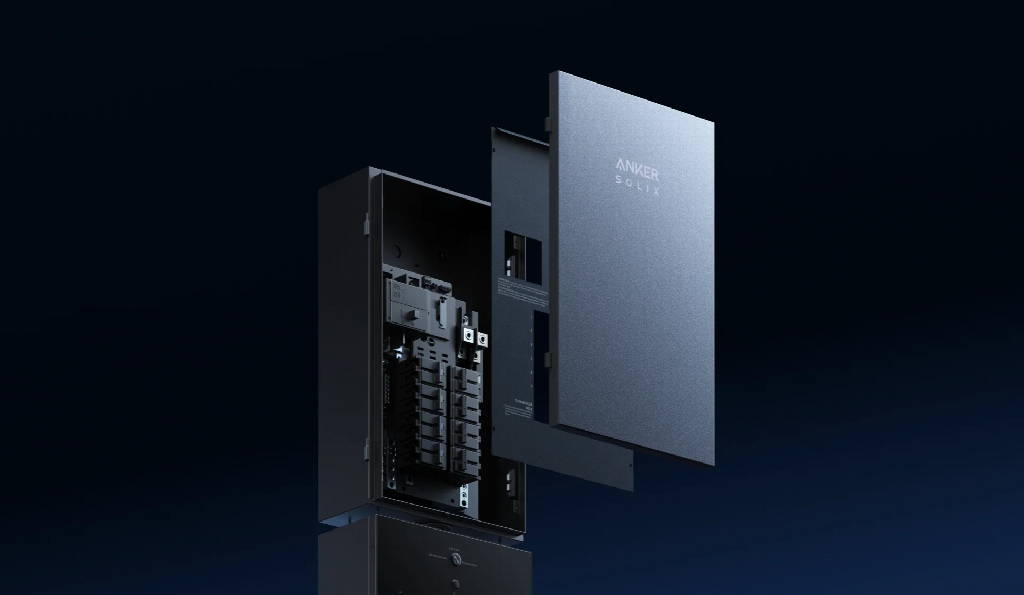
A backup system must integrate correctly with the building’s electrical infrastructure. Engineers should confirm transfer-switch arrangements, distribution-board capacity, grounding, protection devices, and the separation of backed-up and non-backed-up circuits. Automatic switchover can reduce interruption to compatible loads, but the required response time depends on the equipment being protected. Anker SOLIX E10, when configured with its Power Dock, specifies a switchover time of 20 milliseconds or less. Its storage can also expand across multiple E10 units, with up to 90 kWh of total battery capacity using three units and the Power Dock. For apartment buildings, any such configuration requires confirmation that the equipment is suitable for the intended application and complies with local installation and fire safety requirements. Routine inspections and functional testing remain essential.
Conclusion
The most suitable types of generators for apartment buildings depend on the services that must remain operational and the building’s electrical design. Standby generators can support designated shared loads, portable units suit selected temporary tasks, and battery systems provide stored electricity for compatible essential circuits. Solar integration may add another charging source where conditions permit. Before making a decision, property managers should assess peak demand, runtime, installation space, transfer arrangements, applicable codes, and maintenance requirements with qualified professionals.