What Happens When Wi-Fi Equipment Is Within Easy Reach?
At a Glance
When Wi-Fi equipment is within easy reach, the risks can extend beyond accidental damage. In settings where devices are exposed to deliberate interference, vandalism or misuse, physical access can affect network reliability and create wider safety concerns. Understanding the environment, the people using it and the equipment’s position helps organisations decide whether additional protection is necessary.
Think About Who Can Reach Your Network Equipment
Businesses often focus on passwords, software updates and online threats when considering network security. However, physical access also deserves attention, especially in buildings where wireless equipment is installed in shared or publicly accessible areas.
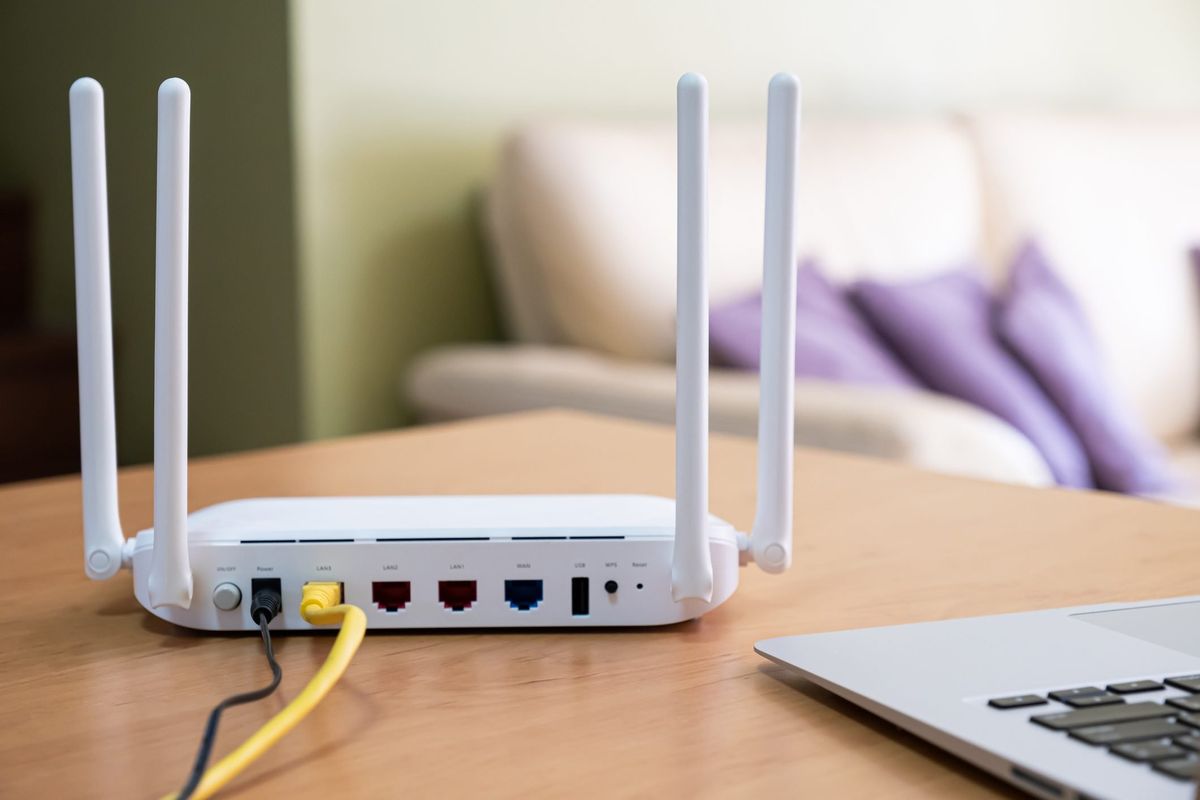
A wireless access point mounted in a corridor, communal space or reception area may be easy to reach. In most offices, this might present little cause for concern beyond accidental knocks. In environments where equipment is vulnerable to deliberate interference or repeated damage, an exposed device may be more likely to be tampered with or vandalised.
This distinction matters in places such as healthcare facilities, penitentiaries and educational settings, where equipment may need to remain accessible to provide reliable connectivity while also meeting specific safety requirements. Moving a device out of sight is not always practical, especially when its position supports wireless coverage.
The first step is to assess the actual risks at the installation site. Consider who can reach the equipment, how the space is used and whether its current position leaves it vulnerable to damage or interference.
Protect Exposed Devices Without Compromising Their Purpose
Wireless access points need to be positioned appropriately to provide the coverage a building requires. Placing them in locked rooms or cupboards may limit physical access, but it can also reduce coverage or make maintenance more difficult.
In higher-risk settings, purpose-designed Wi-Fi enclosures can provide a physical barrier around exposed wireless equipment. Depending on the model, they fit over compatible access points, reducing the risk of impact and tampering while allowing devices to remain in their required position.
The key question is whether the installation genuinely needs this extra protection. A standard office with equipment mounted out of reach may not require a specialist cover. A busy communal area or a safety-sensitive facility may have different requirements, especially where deliberate interference or misuse is a known concern.
Before choosing an enclosure, check that it is compatible with the access point and right for its installation environment. Ventilation, maintenance access, mounting arrangements and wireless signal performance matter. The aim is to address an identified physical risk without creating new problems for the equipment or the people who maintain it.
Understand the Consequences of Tampering and Vandalism
When someone can physically reach a wireless access point, they may be able to disconnect cables, interfere with its installation or damage the device. Even if the incident is not intended to disrupt operations, the resulting loss of connectivity can affect people who depend on the network.
The consequences vary by setting. In a commercial building, an interruption might affect staff access to business applications. In a healthcare or security facility, reliable connectivity may support communication and other everyday operational needs. The significance of a damaged access point therefore depends on how the network is used.
Organisations should consider physical protection with their existing maintenance and network management procedures. This does not mean treating every accessible device as a serious security threat. Instead, it means recognising where the likelihood of interference or its impact justifies additional safeguards.
Where vandalism or tampering has occurred repeatedly, reviewing the equipment’s position and mounting arrangements helps identify a more suitable approach. Protective measures should reflect the actual circumstances rather than being applied carelessly across every site.
Consider Safety in High-Risk Environments
Some facilities must consider more than the risk of equipment being damaged. In mental health services, custodial settings and other safety-sensitive environments, the design of exposed fixtures and fittings is also important.
Equipment housings with unsuitable shapes and gaps may introduce additional concerns in spaces where ligature risks need to be considered. Selected protective covers with smooth, anti-ligature profiles can reduce potential attachment points while securing the equipment inside.
These features are relevant when organisations assess the suitability of equipment installations in higher-risk environments. However, an enclosure cannot remove the risk of self-harm or replace appropriate supervision and other required safeguards. The complete installation must be considered in the context of the facility and the people using it.
For this reason, facilities teams should work with relevant safety and technical specialists before selecting or installing protective equipment. The right solution depends on the specific risks, the access point being used and the environment’s needs.
In Conclusion
When Wi-Fi equipment is within easy reach, risk depends on where it is installed and how space is used. In many offices, ordinary placement and maintenance measures may be sufficient. In environments exposed to vandalism, deliberate interference or specific safety concerns, additional physical protection may be justified.
Assessing access, reviewing the consequences of damage and choosing equipment suited to the installation helps organisations make informed decisions. Where specialist covers are necessary, they should address an identified risk without compromising wireless performance, maintenance or wider safety arrangements.
Protecting wireless infrastructure is not about enclosing every device. It is about recognising where exposed equipment needs extra protection and ensuring that the response matches the environment.