Why More People Are Turning to Technology for Entertainment
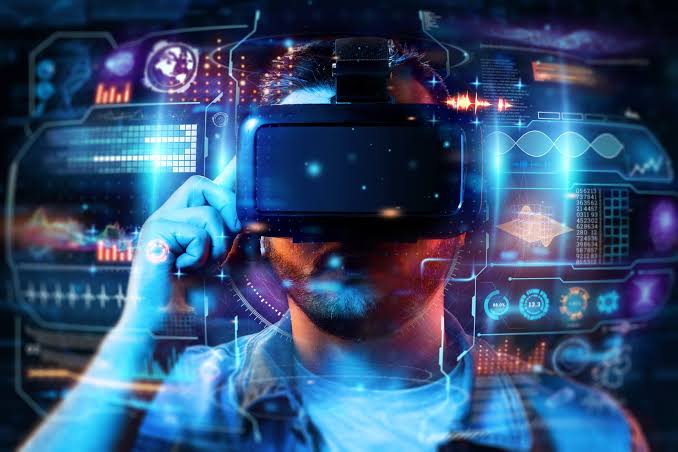
Technology has become a central part of modern entertainment, changing how people watch films, listen to music, play games, follow live events and spend time with friends. What was once largely tied to television sets, cinemas, games consoles and physical media has expanded into a much wider digital landscape accessible through smartphones, tablets, smart TVs and computers.
The shift has accelerated as faster internet connections and affordable connected devices have become more widely available. Entertainment can now follow people throughout the day, whether they are commuting, relaxing at home or meeting friends. Rather than replacing traditional forms of entertainment entirely, technology has given people more ways to access and combine them.
Streaming Has Changed Viewing Habits
Video streaming is one of the clearest examples of technology reshaping entertainment. Viewers no longer have to organise their schedules around television broadcasts. Streaming services allow people to choose programmes and films when they want to watch them, while recommendations can help audiences discover content they may otherwise have missed.
The scale of online viewing is substantial. According to the International Telecommunication Union, around 6 billion people were using the internet worldwide in 2025, representing roughly three-quarters of the global population. That growing digital audience provides a huge potential market for online entertainment services.
Smart TVs have strengthened this trend by bringing internet-based services directly into living rooms. Many modern televisions provide access to streaming platforms, music services, gaming applications and other digital content without requiring a separate computer.
Smartphones Put Entertainment in People’s Hands
The smartphone has arguably had an even greater effect on everyday entertainment. A single device can provide access to music, podcasts, games, films, social platforms, digital books and live broadcasts.
Mobile entertainment also fits around increasingly fragmented schedules. Someone might listen to a podcast while travelling, watch a short video during a break or play a game while waiting for an appointment. These small periods of entertainment have become easier to fill because the necessary technology is usually already in people’s pockets.
Social media has added another dimension. Platforms allow users not only to consume entertainment but also to create and share it. Short videos, livestreams, independent music and user-generated content have created opportunities for people without traditional media backgrounds to reach audiences directly.
Gaming Becomes More Social
Gaming has moved well beyond the traditional image of someone playing alone on a console. Online multiplayer games now provide virtual spaces where people can communicate, compete and cooperate.
The Entertainment Software Association has reported that hundreds of millions of people in the United States play video games, demonstrating the scale of gaming as a mainstream form of entertainment. Similar growth can be seen across international markets, with mobile gaming making the activity accessible to people who may never have owned a dedicated games console.
Online gaming has also developed a strong social element. Players can use voice chat, messaging and live platforms to communicate with friends or meet other players. For some, the social interaction surrounding a game can be as important as the game itself.
Music Has Become More Flexible
Technology has transformed music consumption too. Digital streaming has largely replaced the need to purchase individual albums or maintain large physical collections for everyday listening.
Listeners can access extensive catalogues from smartphones, computers and connected speakers. Playlists can be created for specific activities, moods or occasions, while recommendation systems can introduce listeners to artists outside their usual choices.
This has also changed opportunities for musicians. Independent artists can distribute recordings digitally and promote their work through online platforms without relying entirely on traditional record-label structures. Social media and video-sharing services have further reduced the distance between artists and audiences.
Technology Is Bringing Entertainment Into Everyday Spaces
Connected devices are also changing how entertainment works at home. Wireless speakers, smart displays, streaming sticks and gaming systems can communicate with one another, creating entertainment setups that would have required several separate pieces of equipment in the past.
Voice-controlled technology has made some interactions simpler. Users can search for music, control playback or access information without reaching for a remote control or smartphone.
Virtual reality is another area attracting attention. Although it remains a developing market, VR headsets have introduced immersive experiences that place users inside digital environments rather than simply displaying content on a conventional screen. Applications range from gaming and interactive entertainment to virtual events and social experiences.
Digital Communities Are Expanding
Technology has also changed the meaning of an entertainment audience. People can now gather around particular interests regardless of where they live.
Fans discuss television programmes online, follow creators through livestreams, join gaming communities and exchange recommendations through social platforms. These communities can remain active long after a programme, concert or sporting event has finished.
Even specialist interests have found space within this wider digital culture. People researching products and lifestyle categories like nic salts, may encounter online reviews, discussions and informational content alongside other forms of digital media. However, age restrictions and relevant laws remain important when dealing with regulated products.
Entertainment Is Becoming More Personal
One of the strongest reasons technology has become so influential is personalisation. Digital platforms can offer recommendations based on previous viewing, listening or gaming activity. Instead of presenting everyone with the same entertainment choices, services can provide different options to different users.
This convenience comes with responsibilities. Personalised services depend on data, making privacy and account security important considerations. Users should understand the information platforms collect and make use of available privacy and security controls.
The quality of digital entertainment also depends on reliable internet access. While global connectivity has expanded rapidly, millions of people remain offline or face barriers linked to affordability, infrastructure and digital skills. The benefits of technology are therefore not distributed equally.
The Entertainment Landscape Continues to Evolve
Technology has not simply created new entertainment products. It has changed when, where and how people experience them. Films can be watched on demand, music can travel everywhere with a listener, games can double as social spaces and online communities can connect people around shared interests.
The next phase is likely to bring further integration between artificial intelligence, connected devices, immersive technology and digital platforms. AI is already being used across entertainment for areas such as recommendations, content discovery, production tools and personalised experiences.
For audiences, the attraction is straightforward. Technology offers convenience, variety and greater control over how entertainment fits into everyday life. As digital tools continue to develop, the boundary between technology and leisure is likely to become even less distinct, making connected entertainment a routine part of modern life rather than a separate activity.