5 Essential Technology Investments for Healthcare Labs in 2026
Introduction
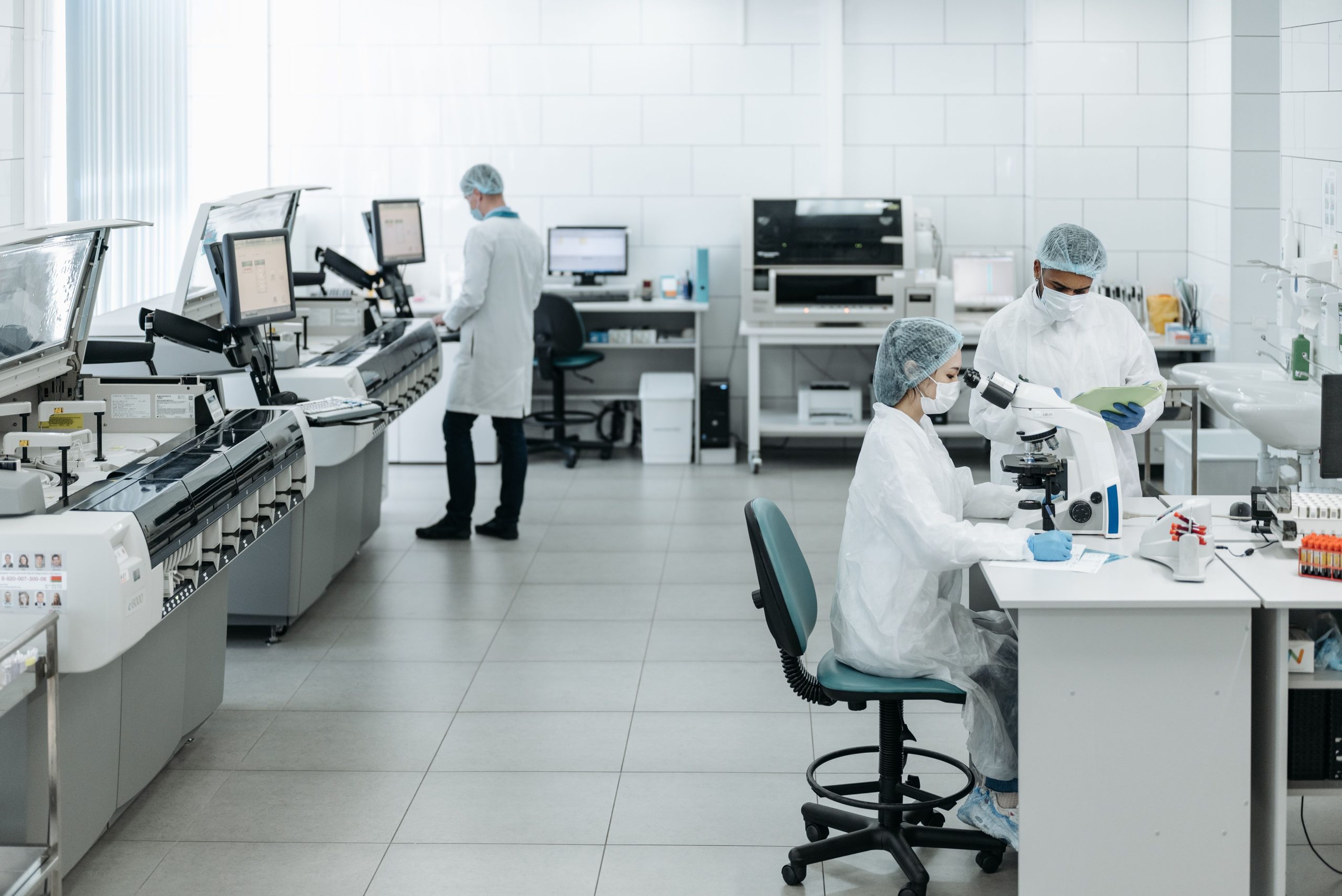
Healthcare laboratories continue to play a vital role in modern medicine, supporting everything from routine diagnostic testing to complex disease detection and treatment planning. As patient expectations grow and healthcare organizations place greater emphasis on efficiency, accuracy, and data-driven decision-making, laboratories must embrace advanced technology to remain competitive and effective.
In 2026, laboratory leaders face increasing demands for faster turnaround times, improved data security, enhanced collaboration, and greater operational efficiency. Investing in the right technologies can help labs meet these challenges while improving patient outcomes and reducing costs. From digital workflows to artificial intelligence, several innovations are becoming essential components of successful laboratory operations. Here are five technology investments healthcare labs should prioritize in 2026.
Digital Laboratory Information Management Systems
A modern Laboratory Information Management System (LIMS) remains one of the most valuable technology investments a healthcare lab can make. Digital systems help laboratories streamline workflows, track specimens, manage testing processes, and improve communication across departments.
Traditional manual processes often create bottlenecks that slow testing and increase the possibility of errors. A comprehensive LIMS automates many routine tasks, such as sample tracking, results reporting, quality control monitoring, and compliance documentation. This automation allows laboratory staff to spend more time focusing on complex analytical work rather than administrative tasks.
In addition to improving efficiency, cloud-enabled systems provide real-time access to information from multiple locations. As healthcare networks continue to expand, seamless data accessibility supports greater collaboration among physicians, pathologists, and laboratory teams. The result is improved operational performance and a better patient experience through faster and more accurate reporting.
Advanced Diagnostic Imaging and Digital Pathology
Digital pathology technologies are transforming how laboratories analyze tissue samples and diagnostic images. By replacing traditional slide management processes with digital imaging solutions, labs can improve efficiency, collaboration, and diagnostic accuracy.
High-resolution scanners convert physical specimens into digital images that can be securely stored, shared, and reviewed remotely. This capability is especially valuable in healthcare systems with multiple facilities or specialists located in different regions. Digital pathology also supports remote consultations and second opinions, helping clinicians make more informed decisions.
Many laboratories are also investing in pathology software that integrates image management, reporting, analytics, and workflow automation into a single platform. These solutions can help streamline case reviews while improving consistency across laboratory operations. As digital pathology adoption continues to grow, organizations that invest early may gain significant advantages in productivity and diagnostic capabilities.
Artificial Intelligence and Machine Learning Tools
Artificial intelligence (AI) is becoming increasingly important in laboratory medicine. AI-powered systems can analyze large volumes of data quickly, helping laboratory professionals identify patterns, anomalies, and trends that might otherwise go unnoticed. Similar innovations, including AI scribe for doctors, are also transforming clinical documentation by reducing administrative workloads and allowing physicians to spend more time on patient care.
In diagnostic applications, machine learning algorithms can assist with image interpretation, risk assessment, and quality assurance processes. Rather than replacing skilled laboratory professionals, these tools serve as decision-support systems that enhance human expertise and improve efficiency.
AI can also optimize laboratory operations by forecasting testing demand, improving resource allocation, and identifying workflow inefficiencies. Predictive analytics can help managers anticipate staffing needs, equipment maintenance requirements, and inventory consumption patterns before they become operational challenges.
As technology matures, AI-driven solutions are expected to become a standard component of modern laboratory infrastructure, making them a worthwhile investment for forward-thinking healthcare organizations.
Cybersecurity and Data Protection Solutions
Healthcare laboratories manage large volumes of sensitive patient data, making cybersecurity a top priority. As digital systems become more interconnected, laboratories face increasing risks from cyberattacks, ransomware incidents, and data breaches.
Investing in advanced cybersecurity technologies helps protect patient information and maintain regulatory compliance. Key components may include endpoint security platforms, multi-factor authentication, network monitoring tools, encryption systems, and automated threat detection solutions.
Strong cybersecurity measures also help ensure business continuity. Laboratory operations often depend on constant access to digital records, test results, and communication systems. A successful cyberattack can disrupt services, delay diagnoses, and create significant financial and reputational damage.
In 2026, cybersecurity should no longer be viewed as an optional technology expense. Instead, it should be considered a foundational investment that supports every aspect of laboratory operations.
Automation and Robotics for Workflow Efficiency
Laboratory automation continues to gain momentum as organizations seek ways to improve productivity while managing staffing challenges. Automated systems can perform repetitive tasks such as specimen sorting, sample preparation, labeling, storage, and transportation.
Robotic technologies reduce the likelihood of human error while enabling staff to focus on more specialized responsibilities. Automated platforms can also process larger testing volumes with greater consistency, helping labs keep pace with growing demand.
Beyond improving efficiency, automation enhances quality control by standardizing procedures and reducing variability across workflows. This consistency is particularly valuable in high-volume laboratories where even small process improvements can produce significant operational benefits.
As workforce shortages persist across many areas of healthcare, automation technologies may become increasingly important for maintaining service quality while controlling labor costs and supporting long-term growth.
Conclusion
Technology continues to reshape the future of healthcare laboratories, creating opportunities for greater efficiency, accuracy, and patient care. Organizations that strategically invest in modern solutions will be better positioned to meet growing demands while adapting to an increasingly digital healthcare environment.
From laboratory information management systems and digital pathology platforms to artificial intelligence, cybersecurity protections, and workflow automation, these investments can help laboratories strengthen performance across every stage of operation. As the healthcare industry evolves throughout 2026 and beyond, embracing innovative technologies will remain essential for laboratories seeking sustainable success and exceptional patient outcomes.