Essential Guide to Choosing High-Quality Fasteners for Every Project
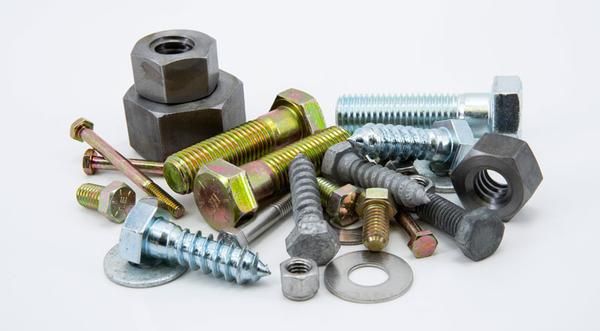
Selecting the right components for any construction or manufacturing project is crucial, and fasteners play an indispensible role in the assembly process. With a wide array of choices available, it is important to source from reputable fastener suppliers to ensure durability, security, and compliance with industry standards. This guide outlines essential considerations for choosing high-quality fasteners suitable for various applications.
Understanding Fastener Types
Fasteners come in numerous forms including bolts, screws, nuts, washers, rivets, and anchors. Each type is designed for specific uses depending on factors such as load bearing, environmental exposure, and material compatibility. For example, stainless steel screws are preferred in corrosive environments due to their resistance to rust, while heavy-duty bolts are ideal for structural applications.
Material Considerations
The material composition of fasteners greatly influences their performance and longevity. Common materials include carbon steel, stainless steel, brass, and aluminium. High-grade carbon steel fasteners provide strength and are often coated with zinc or other platings to prevent corrosion. Stainless steel fasteners offer enhanced resistance to moisture and chemicals, making them suitable for outdoor or marine environments.
Strength and Load Requirements
Assessing the mechanical strength requirements is critical in fastener selection. Fasteners are rated by tensile strength and yield strength, which dictate their capacity to withstand tension and deformation. Structural projects demand fasteners that meet stringent strength standards to maintain safety and integrity.
Thread Types and Sizes
Fasteners are available with various thread patterns including coarse, fine, and metric threads. The choice depends on the specific application and materials involved. Fine threads offer better tensile strength and are less prone to loosening, whereas coarse threads provide better resistance to cross-threading and are easier to assemble.
Environmental Factors
Exposure to environmental elements such as moisture, temperature extremes, and chemicals can degrade fasteners if inappropriate types are selected. Fasteners intended for outdoor use often require protective coatings or are made from corrosion-resistant materials. In chemically aggressive environments, fasteners made from specialty alloys may be necessary.
Standards and Certifications
Compliance with industry standards ensures fasteners meet quality, dimensional, and performance criteria. Standards such as ISO, DIN, ANSI, and ASTM provide guidelines for manufacturing and testing fasteners. Selecting fasteners meeting relevant certifications guarantees reliability and safety in critical applications.
Supplier Selection and Quality Assurance
Choosing reliable fastener suppliers is essential for obtaining consistent quality products. Suppliers should offer comprehensive catalogues, clearly state material specifications, and provide test certificates when required. In addition, suppliers with extensive industry experience can offer valuable expertise and customised solutions tailored to project requirements.
Cost Considerations
While cost is an important factor, prioritising quality and suitability over price prevents costly failures and replacements in the long term. High-quality fasteners manufactured to standards may have a higher initial cost but provide superior performance and durability, ultimately offering better value.
Installation and Handling
Proper installation techniques are essential to preserve fastener integrity and performance. Factors such as torque specifications, lubrication, and use of appropriate tools affect the fastening process. Incorrect handling or installation can lead to premature failure even if high-quality fasteners are used.
Common Applications and Industry Uses
Fasteners are utilised across diverse industries including construction, automotive, aerospace, electronics, and manufacturing. Each sector may have specific requirements for fastener dimensions, materials, and certifications. Understanding these demands helps in selecting the correct fastener type for each application.
Innovations and Technological Advancements
Advancements in fastener technology include the development of self-locking fasteners, corrosion-resistant coatings, and lightweight alloys. These innovations enhance performance, reduce maintenance requirements, and contribute to overall project efficiency.
Inspection and Maintenance
Regular inspection and maintenance of fastened assemblies ensure ongoing safety and functionality. Identifying signs of corrosion, loosening, or damage allows timely replacement and prevents operational failures.
Summary
Choosing high-quality fasteners involves careful consideration of type, material, strength, environmental conditions, and standards compliance. Working with established fastener suppliers guarantees access to certified products and expert advice, integral to the success of any project requiring secure and durable fastening solutions.