Fort Smith TMS Therapy for Persistent Depression Symptoms
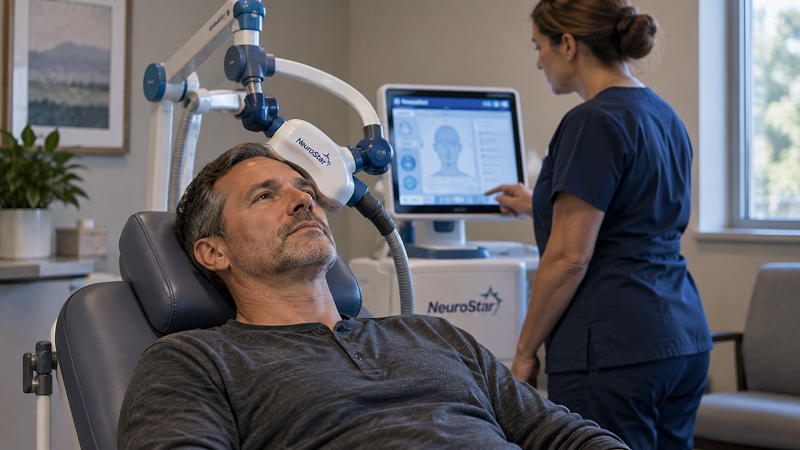
When you live with chronic depression, trying prescription after prescription without feeling better can feel exhausting. You might spend months or years adjusting doses, switching medications, and managing uncomfortable side effects like weight gain, insomnia, or persistent brain fog. If standard treatments have not brought the emotional stability and clarity you need, exploring advanced solutions like TMS Therapy Fort Smith AR can offer a new path forward without adding more daily medications to your routine.
Transcranial Magnetic Stimulation (TMS) is an FDA-cleared, non-invasive care option designed specifically for individuals who continue to experience lingering depression symptoms despite trying traditional therapies. Rather than circulating chemicals throughout your entire body, this approach directly targets the exact neural circuits responsible for mood regulation, bringing renewed activity to areas of the brain that have become sluggish over time.
How TMS Therapy Addresses the Root Cause of Persistent Depression
To understand why TMS works when medications fall short, it helps to see how chronic depression alters your brain’s physical function. Brain imaging studies show that individuals with long-standing depressive symptoms often experience reduced activity in a specific region near the front of the brain called the dorsolateral prefrontal cortex. This area acts as a central hub for mood regulation, motivation, and emotional processing. When neural firing slows down in this circuit, feelings of sadness, persistent fatigue, and low motivation naturally follow.
TMS therapy uses focused magnetic pulses, similar in strength to those produced by an MRI machine, to wake up these underactive nerve cells. Delivered through a padded magnetic coil positioned gently against your scalp, these rapid pulses induce tiny electrical currents in the targeted tissue. Over a series of repeated sessions, these micro-stimulations encourage synaptic plasticity, helping your brain rebuild stronger connection pathways and restore normal signaling naturally.
Unlike antidepressant medications, which travel through your bloodstream and affect every organ system, magnetic brain stimulation acts locally. This key distinction eliminates systemic side effects that frequently lead people to discontinue medication. With TMS, you will not experience:
- Unwanted weight gain or appetite changes
- Sexual dysfunction or loss of libido
- Sedation, morning grogginess, or daytime drowsiness
- Gastrointestinal distress, nausea, or upset stomach
- Persistent cognitive fog or emotional blunting
It is also essential to distinguish TMS from electroconvulsive therapy (ECT). While both treatments stimulate brain tissue, they operate entirely differently. ECT requires general anesthesia, muscle relaxants, and the intentional induction of a grand mal seizure, often resulting in temporary memory loss and significant downtime. TMS requires zero anesthesia, causes no seizures, leaves memory completely intact, and allows you to return to your normal routine immediately following each visit.
What to Expect During Your Treatment Journey
Starting a new mental health treatment can feel daunting, but the daily reality of receiving TMS is straightforward, predictable, and stress-free. Understanding each phase of the process can help you feel confident as you begin your care plan.
Initial Psychiatric Evaluation and Precise Brain Mapping
Your care begins with a comprehensive psychiatric evaluation to review your mental health history, past medication trials, and current symptoms. Once confirmed as a candidate, your care team conducts an initial setup session known as brain mapping. During this appointment, the clinician measures your scalp dimensions and determines your exact motor threshold, which is the minimum magnetic strength required to cause a subtle twitch in your thumb. This measurement ensures that treatment pulses are precisely calibrated to your unique anatomy and delivered at the exact intensity required for optimal therapeutic results.
Short, Daily Sessions That Fit Your Schedule
A standard course of treatment typically involves daily sessions, five days a week, over a span of six to seven weeks. Modern technology, such as NeuroStar Advanced TMS, has streamlined this process significantly. Individual sessions last approximately 19 minutes, making it easy to schedule visits during a lunch break or before heading home for the day.
During each treatment session, you remain fully awake and alert, resting comfortably in a cushioned reclining chair. You do not need to alter your daily schedule, fast, or prepare in any special way. Many patients spend their session time relaxing, listening to music, watching videos, or quietly chatting with the clinical technician.
As the device operates, you will hear a rhythmic clicking sound and feel a localized tapping sensation on your scalp under the magnetic coil. While some individuals experience mild scalp discomfort or a light headache during the first week of care, these temporary sensations typically diminish quickly as your body adapts to the treatment.
Immediate Return to Daily Activities
Because TMS does not involve sedation, cognitive impairment, or physical recovery time, you can stand up from the treatment chair as soon as the 19-minute session ends and immediately drive yourself home, back to work, or on to errands. You retain full mental clarity throughout the entire day.
Who Benefits Most from Magnetic Stimulation Care?
TMS therapy is primary indicated for adults with Major Depressive Disorder (MDD) who have tried at least two different antidepressant medications without achieving full symptom relief or who experienced intolerable side effects from standard prescriptions. Clinicians often refer to this situation as treatment-resistant depression.
In addition to major depression, TMS provides documented relief for individuals living with related mental health conditions, including:
- Anxious Depression: When severe anxiety and worry accompany persistent depressive moods, TMS targets overlapping brain circuits to reduce both anxious rumination and low mood simultaneously.
- Obsessive-Compulsive Disorder (OCD): FDA-cleared as an adjunctive option, specialized TMS protocols help break repetitive thought loops and compulsive behavior patterns.
- Post-Traumatic Stress Disorder (PTSD): Non-invasive stimulation helps recalibrate hyperactive stress pathways, reducing emotional reactivity and trauma responses.
Most major health insurance providers, including commercial plans and Medicare, recognize the clinical efficacy of TMS and offer formal coverage for qualifying patients with treatment-resistant depression. Your treatment clinic will handle pre-authorizations and insurance verifications on your behalf so you can focus entirely on your recovery.
If chronic depression symptoms continue to hold you back from enjoying daily life, non-invasive magnetic brain stimulation offers an effective, medication-free path toward lasting emotional balance and renewal right here in your local community.
TMS Therapy Near Me: Explore Modern Care in Fort Smith
When traditional mental health treatments fall short, finding an effective way forward can feel exhausting. Many individuals living in Fort Smith and surrounding River Valley communities struggle with persistent depression or anxiety that simply does not improve with daily medications or standard talk therapy. If you have tried multiple prescriptions without finding relief, you are not alone. Modern psychiatric care offers innovative alternatives designed to target the root causes of mood disorders directly. Exploring TMS Therapy Fort Smith AR provides a non-invasive, medication-free path toward lasting emotional balance and mental clarity.
Transcranial Magnetic Stimulation, commonly known as TMS, represents a major shift in how clinicians treat persistent mental health conditions. Unlike traditional oral medications that circulate through your entire bloodstream and often trigger systemic side effects like weight gain, fatigue, or nausea, TMS works with targeted precision. It focuses directly on the specific regions of the brain responsible for mood regulation, gently stimulating underactive neural circuits to help restore healthy brain function.
How TMS Therapy Works and What Makes It Different
To understand why magnetic stimulation is so effective, it helps to look at how depression affects brain activity. In individuals experiencing clinical depression, nerve cells in specific regions of the brain, particularly the prefrontal cortex, often exhibit reduced activity. Antidepressants attempt to adjust neurochemistry globally across the central nervous system. In contrast, TMS technology uses focused magnetic pulses, similar in strength to an MRI machine, to stimulate those precise, sluggish neural pathways.
This targeted stimulation acts much like physical therapy for your brain cells. Over a series of sessions, these magnetic pulses encourage your neurons to awaken, form stronger connections, and regain their natural firing patterns. Because the treatment operates entirely outside the body, you experience none of the uncomfortable side effects associated with daily pharmaceutical use.
Key Benefits of Modern Magnetic Stimulation
- Non-Invasive and Drug-Free: There are no needles, no incisions, and no systemic medications involved in your treatment plan.
- Zero Downtime Required: You stay awake and comfortable throughout every visit. Once your session finishes, you can immediately drive back to work, run errands, or return to your normal routine.
- FDA-Cleared Safety: Advanced TMS technology holds FDA clearance for Major Depressive Disorder, anxious depression, and Obsessive-Compulsive Disorder (OCD).
- High Success Rates: Clinical research shows that a significant percentage of patients with treatment-resistant depression experience substantial symptom reduction, with many achieving complete remission.
- Insurance Friendly: Most major health insurance providers and Medicare cover magnetic stimulation treatment for qualifying individuals who have not responded to initial antidepressant medications.
What to Expect During Your Local Treatment Journey
Starting a new medical care plan can feel intimidating, but the process for magnetic brain stimulation is straightforward, structured, and designed with your comfort in mind. Understanding what each step involves helps you feel confident and prepared from your very first visit.
Step 1: Consultation and Brain Mapping
Your journey begins with a comprehensive psychiatric evaluation to review your mental health history, past medication trials, and individual health goals. Once clinicians confirm that you are a good candidate, they conduct an initial mapping session. During this visit, precise measurements determine the exact shape and position of your head, allowing the clinical team to customize the placement of the treatment coil specifically to your unique anatomy.
Step 2: Daily Treatment Sessions
A standard course of treatment typically involves short, daily sessions five days a week over six to seven weeks. During each session, you sit comfortably in a padded reclining chair. A light coil rests gently against your scalp, delivering rhythmic magnetic pulses to the targeted area. You will hear a light clicking sound and feel a gentle tapping sensation on your scalp. Sessions usually last between 19 to 30 minutes, during which you can listen to music, watch television, or simply relax.
Step 3: Measuring Progress and Daily Recovery
Because there is no anesthesia, sedation, or recovery period required, you remain fully alert the entire time. You can drive yourself to and from every appointment without needing a family member or friend to accompany you. Many individuals begin noticing subtle, positive changes in their energy levels, focus, and overall outlook within the first few weeks of consistent care.
Why Local Access Matters for Long-Term Mental Wellness
Consistency is essential for effective brain stimulation therapy. Having access to modern care right here in Fort Smith eliminates the burden of long travel times and stress, making it easy to seamlessly integrate your daily 19-minute appointments into your regular life. Whether you are coming in before work, during a lunch break, or later in the afternoon, local care makes keeping your treatment commitment simple and manageable.
In addition, receiving care in your own community keeps you connected with local healthcare providers who understand your surrounding support network. Having a supportive, dedicated clinical team nearby ensures that your care remains personalized, responsive, and closely monitored every step of the way.
Is Modern Brain Stimulation Right for You?
If you have struggled with chronic depression, anxious thoughts, or obsessive symptoms that refuse to lift despite diligent medication management, exploring localized care options in the Fort Smith area can open new doors to healing. You do not have to settle for persistent side effects or lingering emotional heavy lifting. Taking the time to consult with qualified local mental health professionals allows you to discover whether advanced magnetic therapy aligns with your personalized path toward recovery.
Regaining control over your mental well-being is entirely possible with modern, evidence-based care tailored directly to your life.