Garage Door Repair Monroeville PA: What’s Changed and What Homeowners Need to Know Now
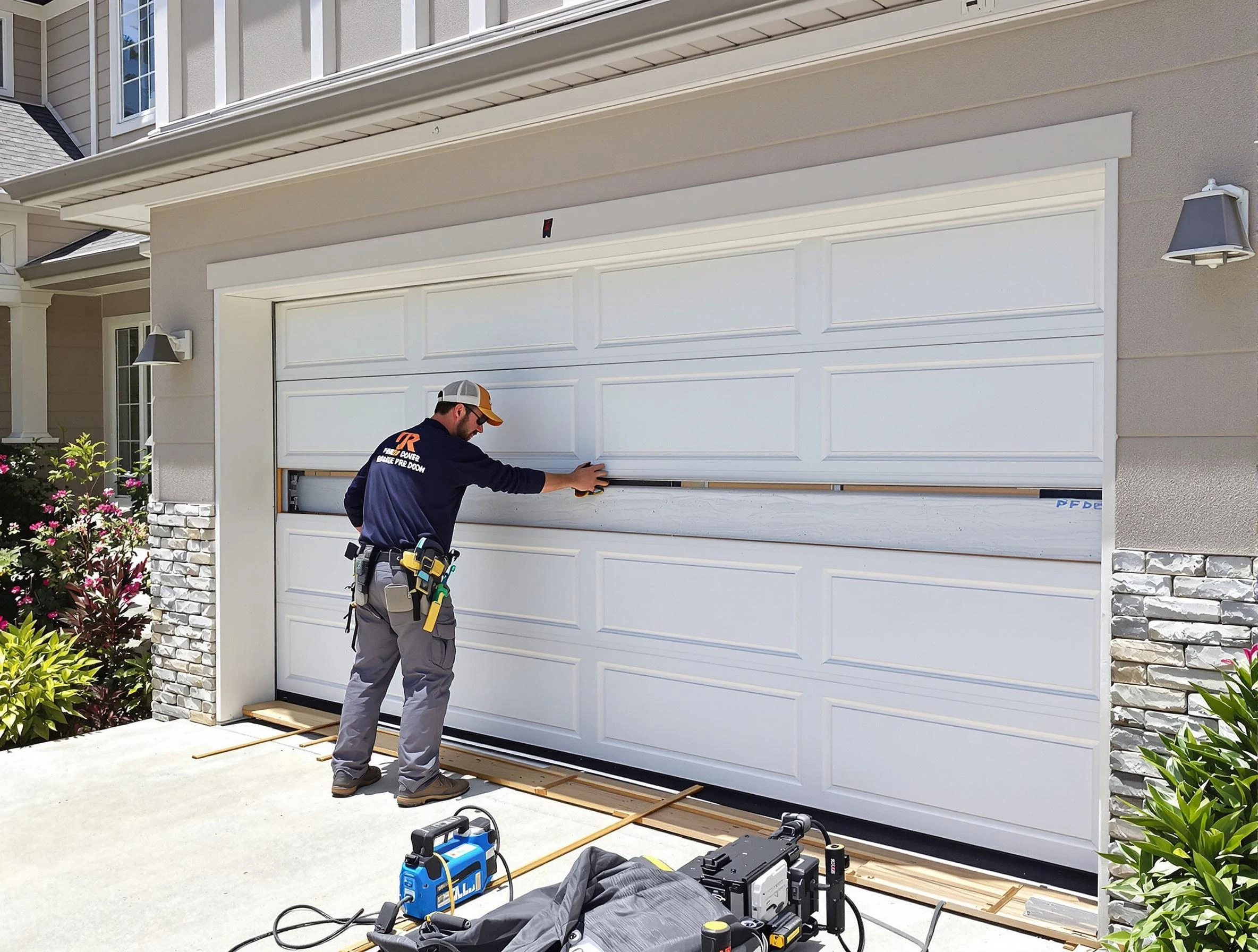
Over the past five years, I’ve watched the garage door industry shift in ways that catch a lot of Pittsburgh-area homeowners completely off guard. Insulated steel doors, smart openers with Wi-Fi connectivity, and battery-backup systems have replaced the basic setups most of us grew up with — and that evolution has changed the way repairs need to be handled. Garage Door Repair Monroeville PA isn’t the same simple call it used to be, and understanding what’s different could save you hundreds of dollars and a lot of frustration.
How Garage Door Technology Has Shifted Over the Last Five Years
The biggest change I’ve seen is the rapid adoption of smart garage door openers. Brands like Chamberlain and LiftMaster have pushed myQ-enabled systems hard, and plenty of Monroeville homeowners upgraded during the pandemic when they were spending more time at home.
The problem? These systems have more failure points than their predecessors. A standard chain-drive opener from 2010 had maybe a dozen components that could go wrong. A modern smart opener can have sensor connectivity issues, firmware glitches, Wi-Fi handshake failures, and motor board faults — on top of the mechanical stuff.
What this means practically: when your door stops responding, the diagnosis takes longer and requires a technician who understands both hardware and software. That’s a skill gap a lot of one-person operations simply haven’t filled yet.
The Most Common Repair Calls We See in Monroeville — and Why They’re Happening More Often
Broken torsion springs are still the number-one call — that hasn’t changed. A standard residential torsion spring has a rated cycle life of about 10,000 cycles. If you open and close your door four times a day, you’re looking at roughly seven years before replacement. Monroeville’s temperature swings, from humid summers to freezing January nights, accelerate metal fatigue and push that timeline shorter than the national average.
But the second and third most common calls have shifted. I’m now seeing a lot more:
- Cable fraying and drum wear on heavier insulated doors (which have become the new standard in new construction)
- Roller and track misalignment caused by the slight settling Pittsburgh’s clay-heavy soil causes in older garage foundations
If your door sounds like a shopping cart with a bent wheel, it’s usually the rollers. Worn nylon rollers can be swapped in under 30 minutes by a trained tech — but they’re also the kind of thing homeowners try to fix themselves and make worse.
For a full breakdown of what a professional repair visit covers in this area, the team at Garage Door Repair Monroeville PA outlines their service checklist in detail — worth reviewing before you schedule anything.
Why DIY Garage Door Repair Is Riskier Than It Looks
I understand the impulse. A YouTube video makes spring replacement look manageable, and the parts are available on Amazon. But torsion springs store an enormous amount of mechanical energy — we’re talking 100 to 200 foot-pounds of torque on a standard residential spring. I’ve seen the aftermath of a spring that released uncontrolled, and it isn’t pretty.
Beyond springs, working on a door that’s out of balance puts stress on the opener motor, which then fails prematurely. A $15 cable repair that goes wrong can cascade into a $300 opener replacement. The math rarely works out in favor of the DIY route.
Stick to what’s genuinely safe for homeowners: visual inspections, lubrication with a silicone-based spray, and testing the auto-reverse function monthly. Everything else is worth a professional call.
What to Expect From a Professional Garage Door Service Visit
A good garage door service visit in Monroeville should never feel like a sales pitch with a wrench. Here’s what a proper visit actually looks like:
- Safety inspection first — balance test, auto-reverse check, visual scan of cables, drums, and springs
- Diagnosis with explanation — the tech tells you what’s wrong and why, in plain language
- Written estimate before any work starts — no surprises on the invoice
- Lubrication of all moving parts as a baseline service, regardless of what else gets done
If a technician skips steps one and two and jumps straight to quoting parts, that’s a red flag. A thorough inspection takes 10 to 15 minutes minimum.
How to Choose the Right Garage Door Contractor in Monroeville PA
With a handful of garage door contractors serving the Monroeville PA area, the differentiators come down to three things: licensing, response time, and transparency on parts.
Ask specifically whether they use OEM springs or generic offshore hardware. I’ve tested both, and the difference in cycle life is real — a branded spring rated for 20,000 cycles versus a generic rated for 10,000 is not an insignificant gap over the life of a door.
Also ask whether the company handles garage door installation as well as repairs. A contractor who does both has a broader understanding of how doors are engineered from the start, which makes them better at diagnosing problems that stem from original installation errors — something I see often in older Monroeville subdivisions built in the 1980s and 90s.
The A1 garage door repair specialists at Gfixes serve the greater Pittsburgh area, including Monroeville, and carry parts for most major door brands on the truck — which cuts same-day turnaround time significantly.
One Maintenance Habit That Extends the Life of Any Garage Door
If I could give every Monroeville homeowner a single piece of advice, it’s this: lubricate your door every six months, and do it in October and April.
Use a silicone-based spray or white lithium grease on the rollers, hinges, and the torsion spring itself. Avoid WD-40 — it’s a solvent, not a lubricant, and it strips the coating off springs over time.
A door that’s properly lubricated runs quieter, stresses the opener motor less, and gives you an early warning system — new squeaks or grinding sounds become obvious signals that something needs attention before it becomes an emergency call.
Garage doors are the largest moving mechanical component in most homes. Treating them like the mechanical systems they are, rather than an afterthought, is the single best way to keep repair costs manageable for years to come.