How Emergency Fleets Can Build Safer, More Efficient Vehicle Layouts
Key Takeaways
- Mission-based layouts help crews reach essential equipment faster.
- Simple controls, balanced weight, and clear sight lines reduce avoidable risks.
- Technology should support trained operators, not create a distraction.
- Regular inspections keep storage, wiring, warning systems, and mounts dependable.
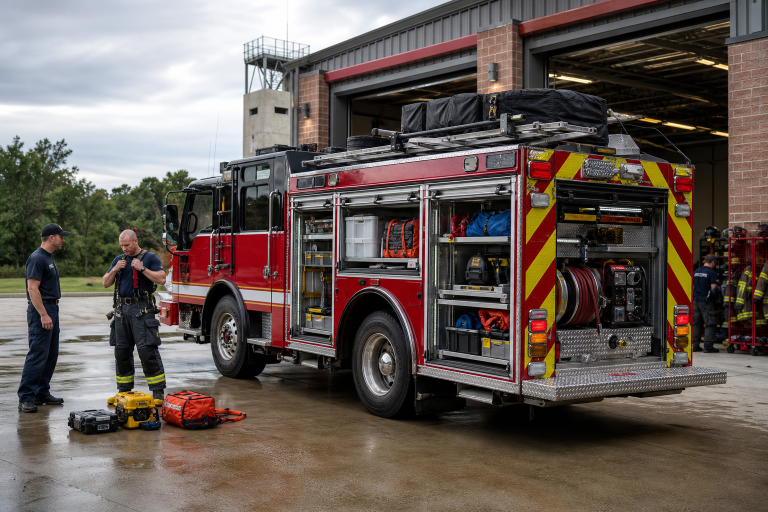
Emergency vehicles are mobile workspaces operating under pressure. A thoughtful layout gives crews room to work, keeps critical equipment accessible, and reduces the time spent searching, reaching, or moving around obstacles during a call.
Whether an agency is planning a patrol unit, rescue truck, ambulance support vehicle, or command platform, reviewing https://tcsupfitting.com/emergency-vehicles/ can help decision-makers understand the broad range of equipment that must fit together in a practical public safety build.
Why Vehicle Layout Matters
Poor placement can turn a capable vehicle into a cluttered one. Equipment that blocks a walkway, shifts in transit, or requires excessive reaching can slow a response and increase stress. A logical layout supports faster tool access, fewer snag hazards, better exterior awareness, and calmer decisions when conditions change quickly.
Start With the Mission
Define the vehicle’s primary role before selecting equipment. A patrol vehicle, medical response unit, technical rescue truck, and mobile command vehicle have different crew needs, routes, storage requirements, and operating conditions. Ask who will use it, what is needed on nearly every call, what must remain secured, and whether the vehicle carries people, animals, supplies, or specialized gear.
Place Equipment With Purpose
Use a reach-frequency-risk approach. High-use items belong within quick reach. Heavy tools should sit low and close to the vehicle’s center, while hazardous, wet, or contaminated equipment needs a dedicated mount or compartment.
Suggested Placement Rules
- Keep driver and passenger pathways clear.
- Separate clean supplies from dirty gear.
- Use simple labels that are easy to read quickly.
- Secure every device, bag, tool, and drawer for travel.
Manage Weight and Space
Every added console, battery, light, drawer, and tool affects payload, braking, handling, suspension wear, and fuel use. Review the manufacturer’s limits and consider weighing the completed vehicle, including fuel and a typical crew.
A practical planning exercise is to list the base vehicle weight, crew weight, fuel and fluids, protective equipment, stored tools, and installed electrical systems. Remove unused gear during annual reviews. Equipment that is rarely needed but permanently carried still consumes capacity.
Build a Clear Control System
Controls for warning lights, sirens, radios, cameras, and mobile data should remain clearly labeled and accessible without requiring prolonged attention away from the road. Place critical functions within easy reach and use displays that remain readable in bright sunlight and at night. Limit unnecessary audible alerts to reduce distraction and alert fatigue. When staffing permits, have a passenger handle secondary communication, navigation, camera monitoring, or data-entry tasks, allowing the driver to maintain focus on traffic, surroundings, and safe vehicle operation.
Improve Visibility at the Scene
Warning lights, scene lights, directional signals, and reflective markings serve different purposes. Evaluate the vehicle from the front, rear, and sides, at intersections, on dark roads, and during poor-weather approaches. Federal roadway operations safety guidance reinforces the importance of safe positioning, situational awareness, and the protection of responders from traffic.
Use Connected Technology Wisely
GPS tracking, mobile data terminals, cameras, digital alerts, and fleet monitoring can improve coordination and accountability. They also require reliable power, secure data practices, clear operating policies, and user training. Recent concerns about automated vehicles interfering at emergency scenes underscore the need to ensure safe interaction with first responders as roadway technology evolves.
Protect the Crew and the Public
Clean installation is a safety requirement, not just an appearance standard. Review secure tool mounts, protected wiring, accessible fuses, non-slip surfaces, grab points, low-glare displays, weather-resistant exterior storage, and unobstructed exits. Loose gear, exposed cables, and blocked doors can create preventable hazards during routine driving or urgent deployment.
Test Before the Vehicle Enters Service
Do more than inspect a completed build while parked. Test every switch, light, siren, camera, drawer, mount, and communication device. Drive the vehicle in daylight and darkness on the roads it will normally use. Have multiple operators complete common tasks, document problems, and correct them before the vehicle is placed into regular service.
Create a Maintenance Routine
Suggested Inspection Schedule
- Each shift: Check warning systems, radios, cameras, storage, and visible damage.
- Each month: Inspect wiring, batteries, fasteners, switches, and mounts.
- Each quarter: Review labels, equipment use, vehicle weight, and operator feedback.
- Each year: Reassess the full layout, mission needs, replacement plan, and payload limits.
Common Planning Mistakes
Frequent problems include adding equipment without checking payload limits, applying a single layout across all vehicles, placing controls where operators must search for them, overlooking service access, failing to evaluate visibility from all sides, and skipping training after modifications. These oversights can reduce efficiency, create safety concerns, and increase maintenance difficulties. A capable build should account for daily operating conditions, future servicing, and operator familiarity, ensuring the vehicle remains practical, accessible, and reliable long after installation day.
Final Checklist
- Mission and crew requirements are defined.
- Equipment is reachable, labeled, and secured.
- Payload and handling limits have been reviewed.
- Controls are logical and easy to use.
- Lighting, wiring, and exits have been tested in realistic conditions.
- A written maintenance plan is in place.
Conclusion
The best emergency vehicle layout is not necessarily the one carrying the most equipment. It is the design that helps trained crews access essential tools quickly, move safely, and stay focused during demanding situations. Mission-based planning ensures every item has a clear purpose and location. Realistic testing can identify workflow problems before deployment, while routine inspections and maintenance help preserve reliability. Together, these practices keep emergency fleets organized, efficient, and ready when every second matters.