How Food Traditions Are Going Digital in 2026
Food culture hasn’t disappeared from kitchens, but it’s no longer confined there either. A lot of what used to be learned by watching someone cook at home is now picked up through a screen. Not in a sentimental way, but in a practical one.
Recipes, techniques, and even culturally specific habits are being accessed on demand. No travel, no family network, no waiting. Just search, watch, try. And that changes things.
The Rise of Digitally Accessible Food Cultures
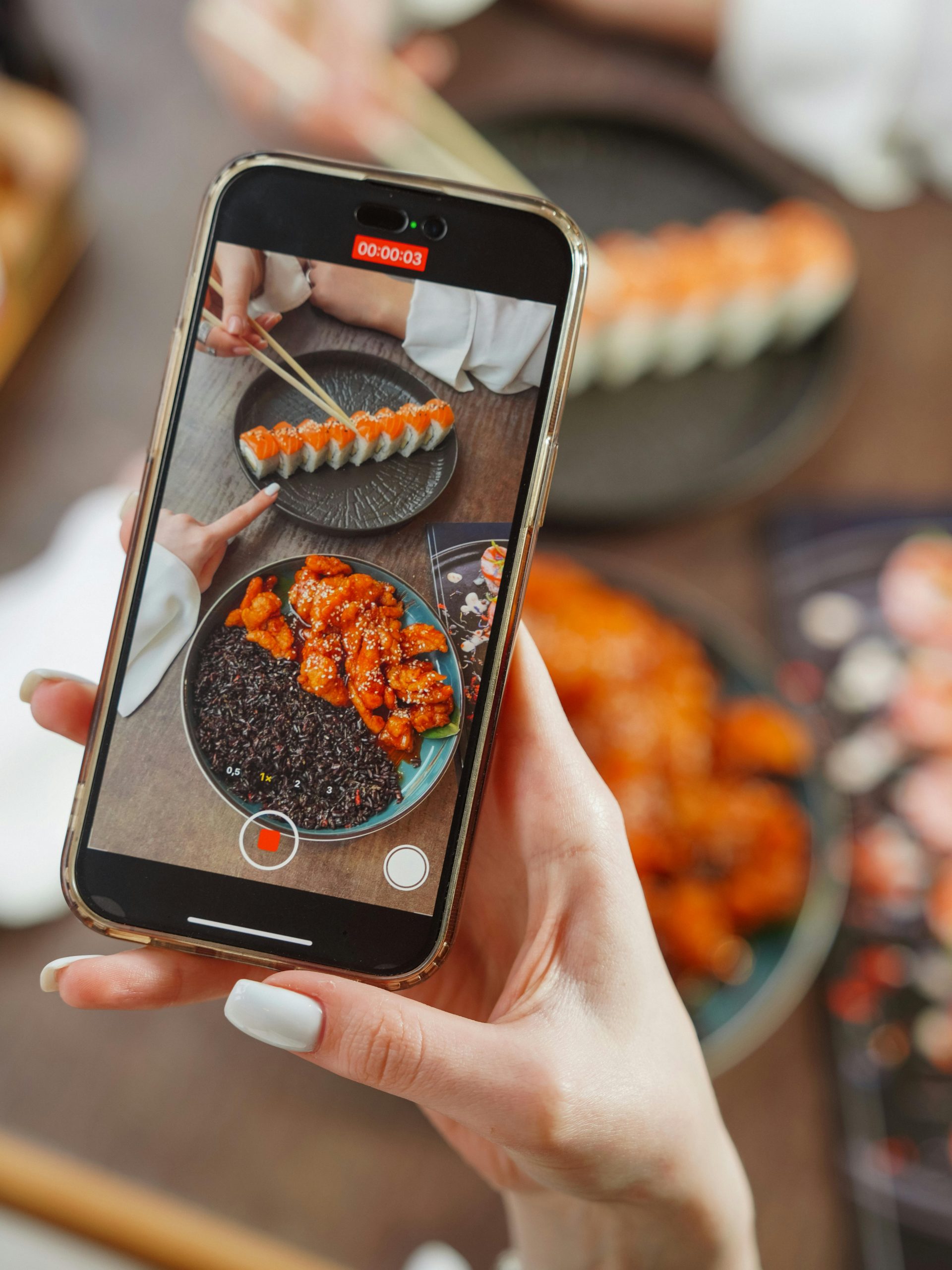
Scrolling for a few minutes is enough to move across multiple cuisines. A street food dish from Istanbul, a home-cooked Ramadan meal, a Japanese pickling method, everything sits side by side. What’s different now is the level of explanation.
It’s no longer just “add this, cook that.” Good creators explain why something is done a certain way. Why a spice is added at a specific stage. Why a dish is tied to a particular time or occasion. That context matters more than people admit. Without it, it’s just copying. With it, there’s at least some understanding of what’s being made.
There’s also less hesitation now. Trying unfamiliar food doesn’t feel like a risk anymore; it feels normal. Exposure has done that. According to Statista, food content continues to sit among the most consumed categories globally, especially in short-form formats. That kind of volume naturally reduces hesitation.
Technology Is Quietly Holding This Together
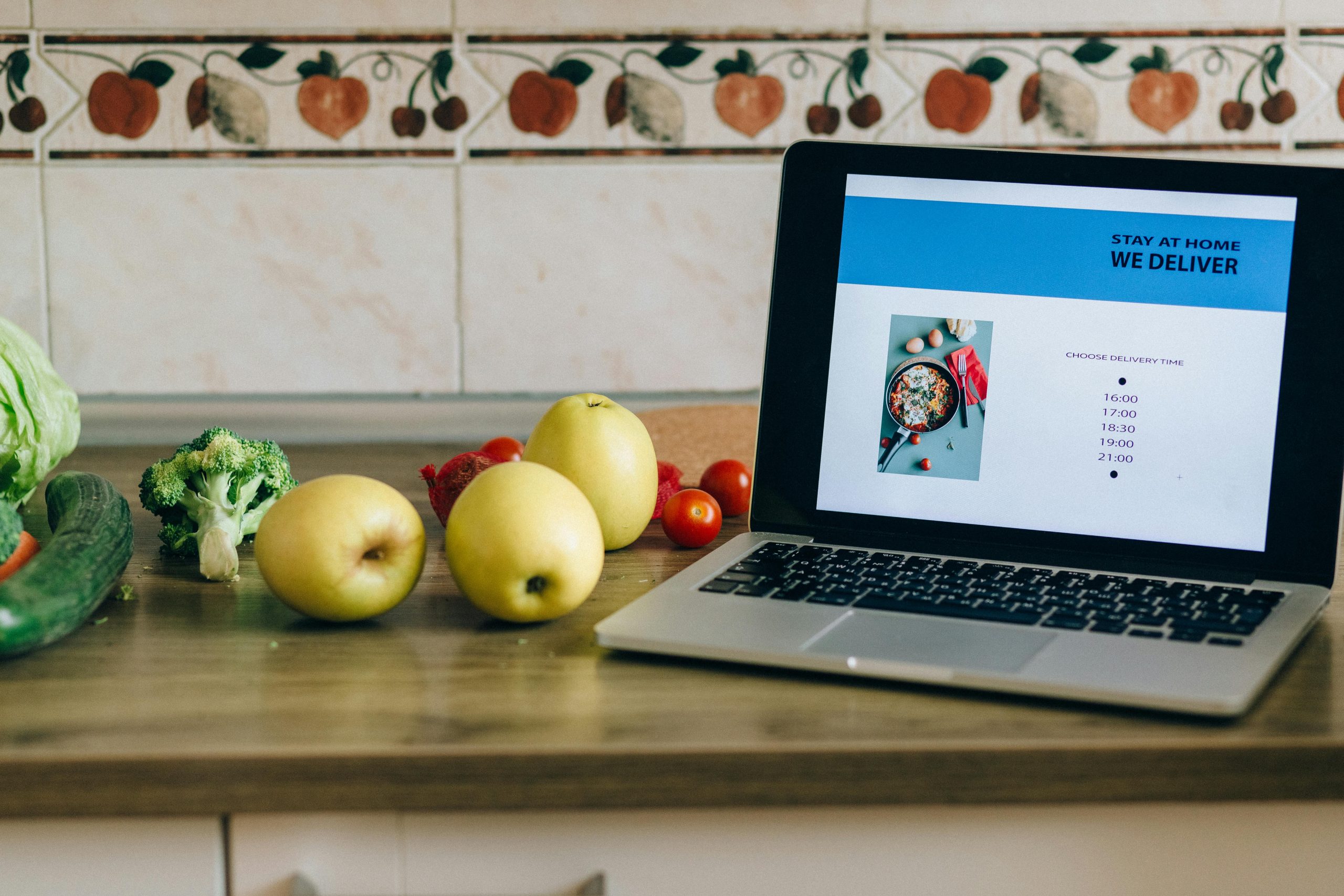
Most of the attention goes to content, but the real shift is happening underneath. Access to ingredients used to be the biggest barrier. That’s changing. Grocery platforms and delivery apps now carry items that were previously hard to find unless someone lived in the right area. That alone has made a noticeable difference.
Recommendation systems are also doing more than people realise. Recipes aren’t just random anymore. They’re shaped around viewing habits, dietary preferences, and even seasonal trends. Research from McKinsey & Company points to personalisation becoming central in how people discover and choose food.
For someone trying to recreate a dish far from where it originates, that level of support isn’t minor; it’s the difference between trying once and actually sticking with it.
When Tradition Starts Adapting
Not every part of food culture moves at the same speed. Religious practices, in particular, tend to shift more carefully. These aren’t just about cooking; they involve responsibility, timing, and trust.
Take qurbani. Traditionally, it relied heavily on local arrangements and personal networks. That’s still true in many places, but digital platforms are starting to take over parts of the process. Selection, verification, and distribution can now be handled online with far more transparency than before. Instead of uncertainty, there’s visibility, such as updates, tracking, and clearer accountability.
Some structured platforms are already doing religious based animal sacrifice in a way that keeps the purpose intact while improving execution. This isn’t a replacement of tradition. It’s an adjustment. The intention stays where it is, but the process becomes harder to mishandle.
Content Isn’t Just Showing Food, It’s Shaping Behaviour
Food content works because it doesn’t feel like effort to consume. It’s quick, visual, and familiar. But there’s a difference between content that performs and content that actually connects. Highly edited, overly clean videos often feel distant. On the other hand, slightly unpolished content, such as real kitchens, natural reactions, and imperfect steps, tends to hold attention longer. It feels believable.
This becomes more visible during cultural or religious moments. Videos showing preparation, sharing, or distribution carry more weight than standard recipe clips. They show meaning, not just method. That visibility doesn’t just inform, it influences. It nudges people to try, participate, or at least understand.
A More Mixed, Less Rigid Food Landscape
The result isn’t just variety, it’s overlap in traditions and different cultures. Meals are becoming less rigid in identity. A household might cook something local one day, something picked up online the next. That blend is becoming normal.
At the same time, awareness is increasing. People are asking more questions about sourcing, process, and impact. Not everyone acts on it, but the awareness is there.
Businesses are responding accordingly. Menus, delivery options, and even packaged foods are being shaped around demand that is clearly influenced by digital exposure.
This Isn’t a Passing Phase
This shift isn’t temporary. The way food is being learned, shared, and experienced has already changed. The real concern isn’t adoption, it’s dilution. Faster access often means less depth. Not every tradition survives simplification.
The platforms that last will be the ones that don’t strip meaning out of the process just to make it easier to consume. Because food isn’t just functional. It carries memory, context, and, in some cases, responsibility.
Technology has expanded access. What matters now is how that access is used, whether it leads to understanding or just surface-level imitation.