Why Inclusive Workwear Design Matters in Modern Workplaces
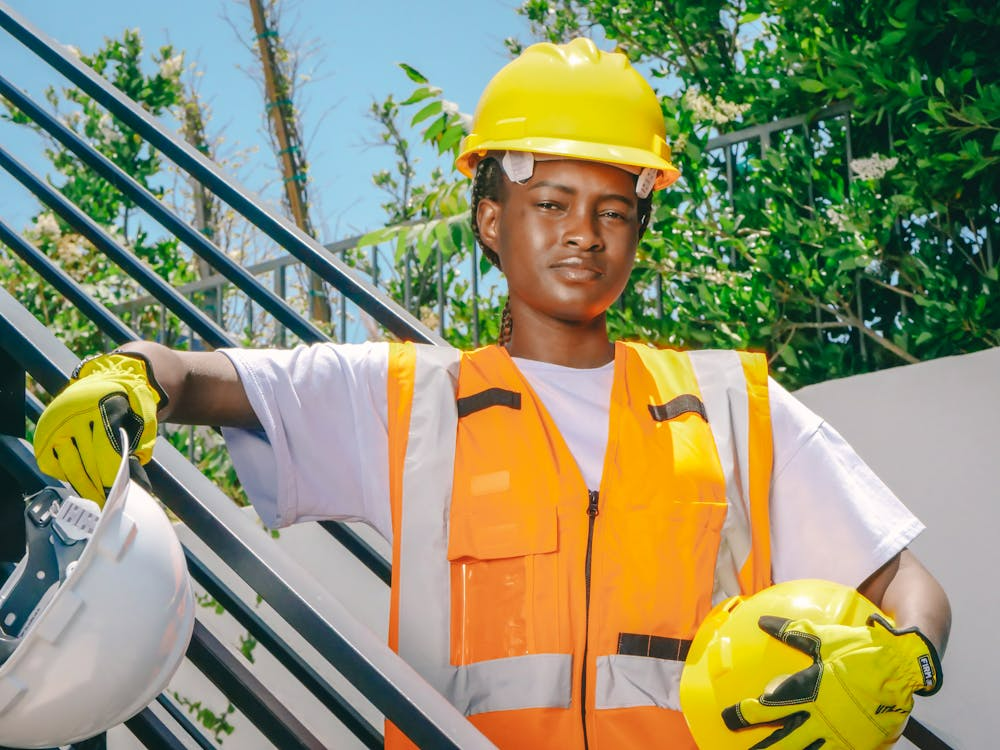
Australia’s construction sector experiences drastic changes with more specialists joining sites around the country. The need for rethinking protective apparel is becoming especially evident alongside the evolving diversity of the working force. Inclusive design refers to providing personal protective equipment which would suit each body type, gender, and culture.
A female tradie wearing a smaller-sized men’s shirt is just not enough. Proper inclusivity implies that all personnel will be able to perform tasks comfortably and safely. The following blog entry reveals the undeniable advantages of using an inclusive approach and gives useful recommendations on improving your workwear policy.
The Importance of Better Workwear
Productivity and safety go side-by-side on any construction site. Ill-fitting clothing increases the number of accidents significantly. Loose sleeves have a tendency to get caught in machinery, and extremely tight clothing may hinder movement and performance during lifting.
An introduction of an inclusive clothing policy results in improved employee efficiency as workers would no longer experience discomfort while performing daily tasks. Moreover, better uniforms increase overall job satisfaction which in its turn positively impacts staff retention at a construction company.
Principles of Inclusive Design
A successful uniform policy involves much more than simply considering traditional sizes of the apparel. Instead, you should take into account its practical qualities.
Adaptability and Functionality
Good workwear should move along with the body naturally. This feature could be achieved through the use of adaptive designs, such as adjustable waistbands, articulated knees, and stretch panels. This way, workers would be able to bend and climb without facing restrictions imposed by stiff and rigid fabrics.
Diverse Sizes
Standard sizes offered by many construction businesses cannot fully meet the needs of the modern workforce. True inclusivity calls for exclusive cuts of apparel for women, such as ladies hi-vis shirts. Moreover, a company should purchase a broader range of sizes to make sure that each worker receives well-suited protective equipment, whether he or she is an average-sized electrician or a tall rigger.
Cultural Requirements
Inclusivity requires meeting the requirements of different cultures. Thus, a site might require introducing summer shirts with long sleeves for the employees who prefer wearing modest clothing, or protective headwear that would fit under the traditional construction hard hat.
Steps to Implementing Inclusivity Policy
A transition to a new policy should be carefully planned. First of all, you need to conduct interviews with the workers and ask them to reveal their current uniform-related issues and concerns, such as lack of pockets or problems with breathability. Next, you need to audit your current suppliers and check whether they offer truly diverse sizes. Otherwise, you should switch to some special Australian brands that would provide more inclusive workwear options. Finally, you need to organise a trial period among a few workers and test how the uniforms function.
Benefits of Inclusive Workwear
Inclusivity improves the safety level of the working process and helps make employees feel appreciated. Thus, it is important to review the workwear policy regularly and make sure all construction workers have appropriate protective equipment!