How Grease Recycling Shapes a Cleaner Future
Key Takeaways
- Proper grease recycling prevents environmental pollution and infrastructure damage.
- Recycled grease can be transformed into biodiesel, reducing reliance on fossil fuels.
- Innovative technologies are enhancing the efficiency and scope of grease recycling.
The Environmental Impact of Improper Grease Disposal
Improper disposal of grease, especially when poured down household or commercial drains, continues to strain wastewater infrastructure and threaten natural environments. When grease cools and solidifies in sewage systems, it forms major blockages, known as “fatbergs,” that can cause costly backups, equipment damage, and water contamination. According to the Environmental Protection Agency, millions of gallons of cooking oil are improperly discarded each year, underscoring a widespread problem that requires community and industry action. For effective methods and responsible disposal, see https://gfcommodities.com/our-services/yellow-grease-disposal/.
Environmental consequences go beyond clogged pipes. Oils and fats discharged into waterways can deplete oxygen levels, disrupt aquatic habitats, and poison wildlife. Addressing improper grease disposal is not just a matter of municipal convenience, but of environmental necessity. Preventing grease from entering storm drains and sewage systems helps safeguard our water quality and natural landscapes for future generations.
Transforming Waste into Renewable Energy
One of the most promising outcomes of grease recycling is the opportunity to convert used cooking oil into renewable biodiesel. Biodiesel produced from recycled grease burns cleaner than traditional diesel, producing fewer carbon emissions and particulates. This transition helps decarbonize the transport sector, particularly municipal fleets and logistics vehicles that rely heavily on diesel.
Many local governments and private initiatives collect used oil from residents and businesses, which is then reprocessed into energy. For example, the city of San Francisco reported diverting millions of gallons of used oil annually as part of its clean fuel strategy, supporting both local economies and the climate. These large-scale programs illustrate the sustainable potential of transforming everyday waste into valuable resources.
Innovations Enhancing Grease Recycling
Recent technological advancements have significantly improved the efficiency of grease collection and recycling. Smart sensors now monitor collection bins and optimize pickup schedules, reducing unnecessary trips and fuel consumption. IoT-enabled systems provide real-time data on bin capacity, while blockchain technology is being tested to ensure transparency and traceability in grease handling, reducing the risk of illegal dumping or theft.
Research is also pushing the boundaries of what can be achieved with recycled grease. Scientists are developing advanced filtration processes and catalysts to convert used cooking oil into sustainable aviation fuel, broadening the applicability of waste-derived biofuels. As these innovations mature, more industries will be able to rely on recycled fats and oils as a renewable resource, strengthening the circular economy.
Economic Benefits for the Food Service Industry
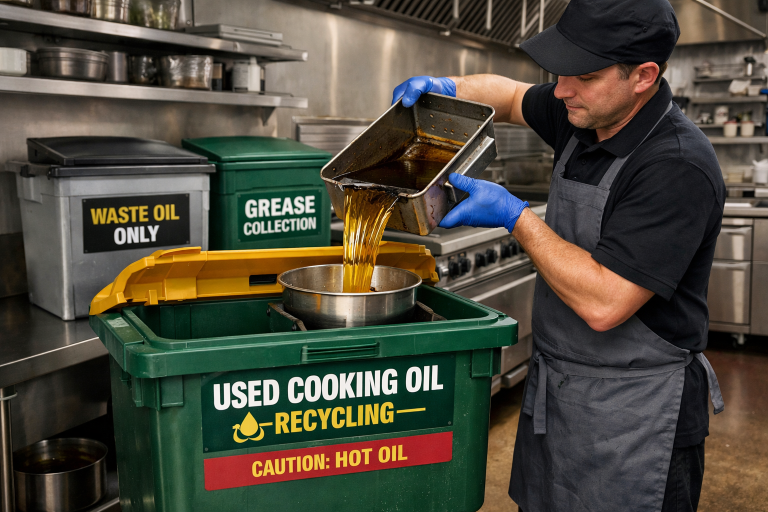
Restaurants, cafeterias, and commercial kitchens frequently generate large volumes of waste oil, and failing to manage this resource responsibly can lead to costly plumbing repairs and regulatory fines. By partnering with professional grease recycling services, businesses not only comply with local waste management regulations but also gain access to rebates or revenue-sharing programs based on the quantity of oil collected.
These economic incentives add up quickly, especially for high-volume kitchens in urban areas. Recycling companies often provide secure storage containers and regular pickups, making it easy for businesses to participate while saving thousands annually on maintenance and waste disposal.
Community Initiatives Promoting Grease Recycling
Local governments and community organizations play a vital role in promoting awareness and participation in grease recycling. Many cities host annual oil collection events, allowing residents to dispose of their used cooking oil safely. These events not only keep grease out of landfills and pipes but also foster grassroots environmental stewardship by encouraging responsible behavior and local engagement.
Challenges and Future Prospects
Despite the clear benefits of grease recycling, hurdles remain. Public awareness remains low in many regions, and some communities face logistical challenges in collecting and transporting waste oils efficiently. Certain small-scale restaurants may lack the resources to recycle if convenient collection options are unavailable.
To overcome these barriers, ongoing education and outreach are necessary. Technological innovations such as improved grease-trap designs, more effective filtration systems, and mobile collection solutions are expanding access and making recycling simpler for everyone. As more cities and companies invest in state-of-the-art recycling infrastructure, the prospect of a cleaner, greener future becomes increasingly attainable.
Conclusion
Grease recycling stands out as a transformative solution for both environmental health and resource recovery. It enables the conversion of ubiquitous waste into energy, reduces pollution risks, and delivers financial benefits to participating businesses. As technology and awareness continue to advance, grease recycling will play a central role in shaping a sustainable future, supporting cleaner communities, and fostering a global circular economy.