How to Support Children Through the Loss of a Loved One
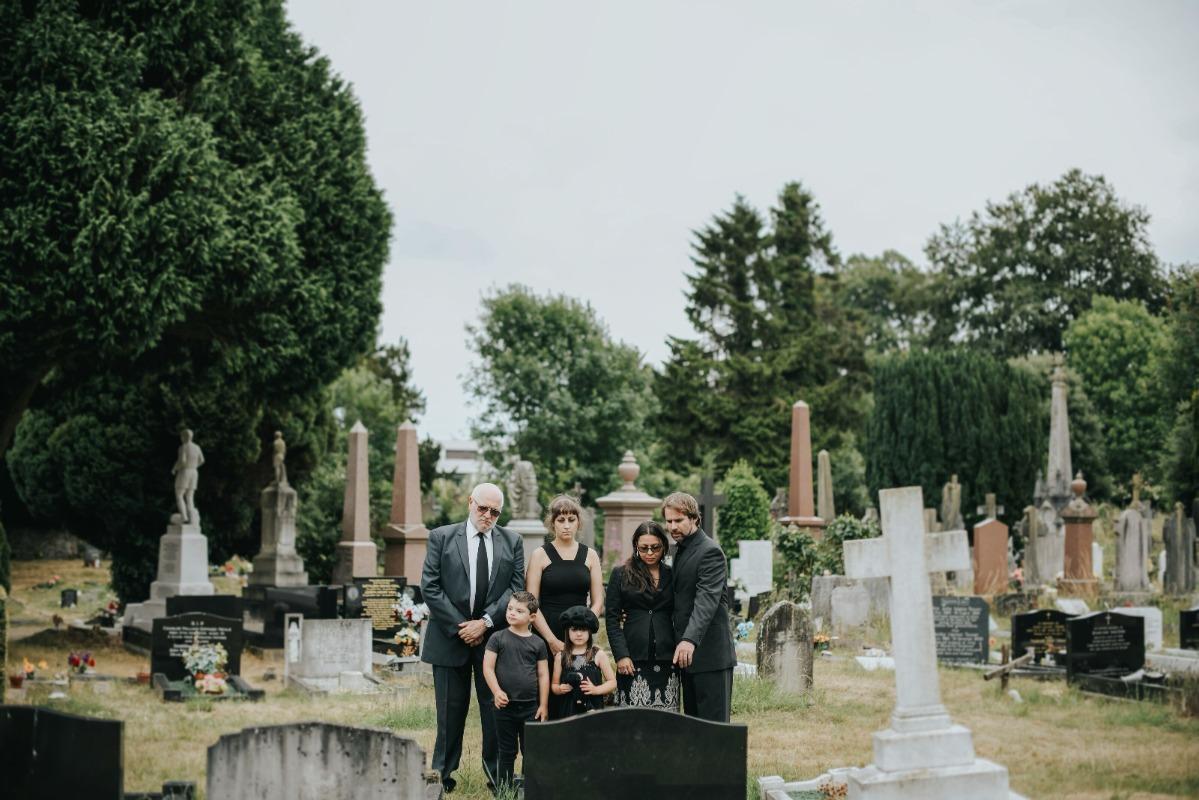
When a family loses someone, the adults in the household are managing their own grief while simultaneously trying to protect the children from something that can’t ultimately be protected against. Death is part of life, and children who lose a grandparent, a parent, a sibling, or another person who was central to their world are encountering that reality in a way that no amount of careful management fully softens.
What makes the difference for children navigating loss is not the degree to which they are shielded from it but the quality of the support they receive in processing it. The instinct to protect is natural and comes from a place of genuine love, but the research on childhood grief consistently indicates that children who are included, informed, and allowed to participate in the farewell process fare better in the long term than those who are excluded and left to construct their own understanding from incomplete information.
How Children Understand Death at Different Ages
Children’s understanding of death develops gradually across the early years, and the explanation that helps a seven-year-old is meaningfully different from the one that helps a three-year-old or a twelve-year-old. Understanding where a child is developmentally is the starting point for knowing how to talk to them about loss.
Very young children under about five have limited understanding of death as a permanent state. They understand absence but not finality, which is why young children will ask repeatedly when a person who has died is coming back rather than accepting the first explanation of what has happened. This isn’t a failure to understand. It’s the natural cognitive limitation of that developmental stage. Honest, simple language, the person has died and won’t be coming back, is more helpful than euphemisms that create confusion, but the conversation will need to be repeated and revisited as the child processes the information gradually.
Children between roughly five and nine are developing a more concrete understanding of death as permanent and inevitable but may not yet have the emotional vocabulary to process what they’re feeling in the way older children and adults can. This is the age at which questions about the physical reality of death, what happens to the body, where the person is now, are common and deserve honest, age-appropriate answers. Avoiding the questions doesn’t make them go away. It simply leaves the child with anxiety and no reliable source of information.
Older children and teenagers are generally capable of understanding death in the way adults do, but their grief may express itself differently from adult grief, through anger, withdrawal, or a return to younger behaviour patterns rather than the sadness that adults typically associate with mourning. Teenagers in particular may appear less affected than they are and may resist the emotional conversations that would be helpful, while still needing to know that those conversations are available when they’re ready.
Whether to Include Children in the Funeral and How to Prepare Them
The question of whether to include children in a funeral service is one that many parents find genuinely difficult, and the instinct to exclude younger children to protect them from an upsetting experience is understandable. The evidence on this question, however, consistently suggests that inclusion, with appropriate preparation, produces better outcomes for children’s grief than exclusion.
Children who attend funerals and are prepared for what they will experience have the opportunity to say goodbye in a context that acknowledges the loss collectively, to see that adults they trust are also sad, and to be part of the family’s shared experience of the farewell. These things matter for the processing of grief in ways that become clearer in the weeks and months that follow. The child who was excluded from the funeral may struggle with a sense of incompleteness about the loss that the child who attended, and was held through the difficulty of it, doesn’t carry in the same way.
Preparation is what makes inclusion work. A child who arrives at a funeral knowing what to expect, what a chapel looks like, what will happen during the service, why people will be crying, and that it is safe to feel sad or confused or even bored, is a child who can be present for the experience rather than overwhelmed by it. The conversation that happens the day before the service, sitting with the child and walking through what will happen, is as important as the decision to include them.
For families in Sydney navigating a loss and the funeral arrangements that follow, sydneymemorialcremations.com offers the full range of service types from direct cremation through to full chapel burial services, with a 24-hour phone line and an experienced team who can guide families through the process including the specific questions that arise when children are involved in the arrangements and the farewell.
The Grief That Follows and How to Stay Connected to It
Children’s grief doesn’t follow a linear path and doesn’t resolve on a predictable schedule, which surprises many parents who expect that a child who seemed to cope well with the immediate loss will continue to cope well as time passes. Grief in children tends to resurface at developmental milestones, at anniversaries, and at moments when the absence of the person becomes suddenly acute again, sometimes months or years after the initial loss.
The most important thing a parent can do in the weeks and months following a loss is keep communication open without forcing it. A child who is told they can talk about the person who died, who sees adults in the family talking about them naturally and with affection, and who has permission to feel sad without that sadness being treated as a problem to be solved, is a child whose grief is moving through a healthy channel.
Maintaining connection to the memory of the person is one of the most effective ways to support children through grief over the longer term. Talking about the person naturally, sharing memories, looking at photographs together, and marking anniversaries in ways that acknowledge rather than avoid the loss all contribute to a relationship with the memory that helps the child integrate the loss rather than compartmentalise it.
Physical rituals of remembrance can be particularly helpful for younger children who benefit from concrete expressions of abstract emotional states. Planting something in the garden in the person’s memory, releasing balloons or biodegradable plantable hearts at a memorial gathering, or creating a memory box with items that belonged to or reminded the family of the person are all ways of giving the grief a physical form that children can engage with and return to.
Watching for signs that a child’s grief is becoming complicated or stuck is an important part of the parenting role in the aftermath of a significant loss. A child who withdraws for an extended period, who shows significant changes in school performance, sleep, or appetite that persist beyond the initial weeks, or who seems unable to talk about the person at all may benefit from professional support that goes beyond what the family can provide. School counsellors, grief support services, and child psychologists are all resources worth engaging without hesitation if the signals are there.
Why Honesty Serves Children Better Than Protection
The families who navigate childhood grief most successfully are almost always those who chose honesty over protection, not because honesty is easier but because it works better. The child who is told the truth about what has happened, who is included in the farewell in an age-appropriate way, who sees the adults around them processing their own grief openly, and who has permission to feel whatever they feel rather than performing a composure that doesn’t match their inner experience, is a child who is developing a healthy relationship with loss.
That relationship will be called upon repeatedly across a lifetime. How a child is supported through the first significant loss they experience shapes how they approach grief in adult life, and the investment of honest, present, connected support in those early experiences of loss is one of the more significant gifts a parent can offer. Not shielding a child from the reality of death, but standing alongside them in it, is what makes the difference between a loss that is integrated into a growing understanding of life and one that is stored away unprocessed until something brings it back.