Vitamin C vs Niacinamide: Which Serum Suits Australian Skin?
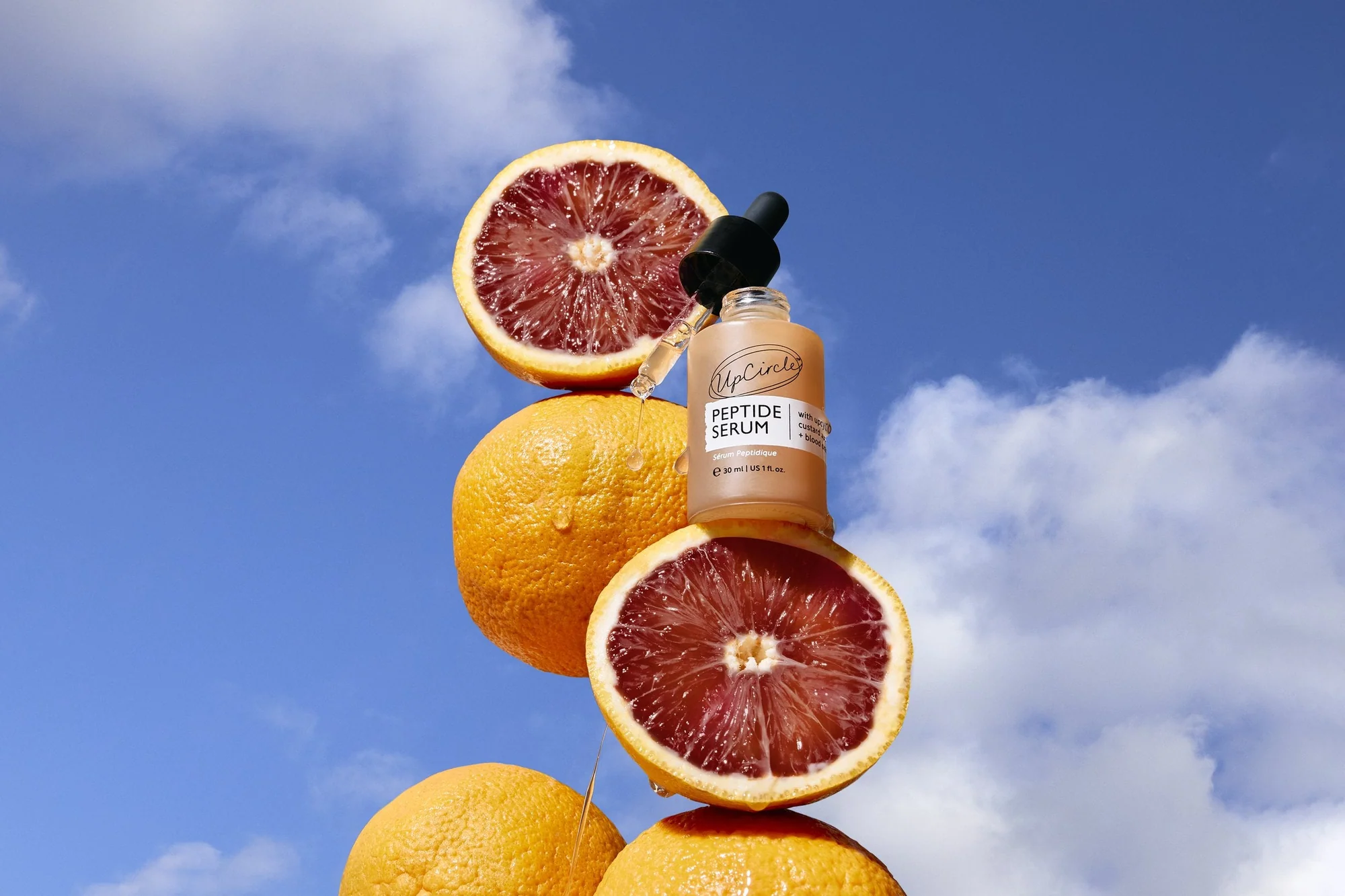
When addressing concerns such as pigmentation, dullness and sun-damaged skin, choosing the right active ingredient serum is crucial. For those living in Australia, where sun exposure is intense, selecting a serum that not only targets these issues but also suits local skin types is essential. Two of the most popular ingredients in skincare for these concerns are Vitamin C and Niacinamide, each offering unique benefits to the skin.
Understanding the properties and effects of these ingredients can help individuals make an informed choice. Those interested in exploring effective options can also consider the serum collections provided by Synergie Skin, a trusted name in Australian skincare.
What Is Vitamin C?
Vitamin C, also known as ascorbic acid, is a powerful antioxidant that helps protect the skin from free radical damage caused by ultraviolet exposure and pollution. It is renowned for its ability to brighten the complexion and reduce the appearance of pigmentation and sunspots. Vitamin C also stimulates collagen synthesis, improving skin firmness and reducing signs of ageing.
Benefits of Vitamin C for Australian Skin
Given Australia’s high UV index, Vitamin C’s sun-protective properties are particularly beneficial. It offers a defence mechanism by neutralising free radicals, which are generated by sun exposure. Regular use can enhance skin clarity, lighten hyperpigmentation and promote a healthy, radiant look. Additionally, Vitamin C works well for dull skin by supporting natural cell turnover and enhancing natural radiance.
Niacinamide: An Overview
Niacinamide, or vitamin B3, is a versatile ingredient known for improving the skin’s barrier function, reducing inflammation and addressing uneven skin tone. Unlike Vitamin C, Niacinamide is less likely to cause irritation, making it suitable for sensitive skin types common among Australians who experience sun damage and environmental stressors.
Advantages of Niacinamide for Pigmentation and Sun-Damaged Skin
Niacinamide is effective at reducing the transfer of melanin to skin cells, decreasing hyperpigmentation and dark spots. It also enhances the skin’s protective barrier, locking in moisture and reducing redness and irritation. For those with sun-damaged skin, Niacinamide can accelerate skin repair and strengthen resilience against further environmental harm.
Comparing Effectiveness Against Pigmentation
Both Vitamin C and Niacinamide have shown efficacy in reducing pigmentation; however, they achieve this through different mechanisms. Vitamin C actively brightens the skin by inhibiting melanin production, while Niacinamide prevents melanin transfer. A combination or alternating use can be beneficial but should be selected based on skin sensitivity and concern severity.
Considerations for Skin Sensitivity
Vitamin C can sometimes cause irritation due to its acidity, especially in higher concentrations, which may not suit all skin types. Niacinamide is generally well tolerated and better suited for sensitive or reactive skin. Australian skin, frequently exposed to sun and environmental challenges, may benefit from starting with Niacinamide to strengthen its natural defences before introducing Vitamin C.
Synergie Skin’s Approach to Active Serums
Synergie Skin offers a curated range of potent try Synergie skin serums tailored to address pigmentation, dullness and sun-damage. Their formulations are designed with Australian skin in mind, emphasising ingredient stability, efficacy and skin compatibility. With options containing Vitamin C, Niacinamide and other complementary actives, Synergie Skin provides solutions for a spectrum of skincare needs.
How to Incorporate Serums Into Your Routine
Applying serums correctly maximises results. It is advisable to use Vitamin C serums in the morning to take advantage of their antioxidant protection during the day, followed by sunscreen. Niacinamide serums are flexible and can be used both morning and night to improve skin texture and hydration. Layering serums requires careful consideration of ingredient compatibility to prevent irritation.
Sun Protection Remains Paramount
Regardless of the chosen serum, sun protection is fundamental for managing pigmentation and preventing further damage to Australian skin. Broad-spectrum sunscreens should be applied daily alongside serums to enhance protection and maintain skin health. Vitamin C and Niacinamide can boost skin defence but are not substitutes for sunscreen.
Conclusion: Choosing Between Vitamin C and Niacinamide
For Australian skin affected by pigmentation, dullness and sun damage, both Vitamin C and Niacinamide offer valuable benefits. Vitamin C is ideal for those seeking brightening and collagen support, while Niacinamide suits those prioritising barrier repair and sensitivity management. The decision depends on individual skin type, tolerance and specific concerns.
Exploring high-quality, Australian-made products such as Synergie Skin’s range provides an opportunity to find serums that align with personal skincare goals and environmental conditions.
In summary, understanding the distinct properties of Vitamin C and Niacinamide helps tailor skincare routines effectively. Proper use of these serums, combined with strict sun protection, can significantly improve the appearance and health of sun-affected Australian skin.