Why High Fashion Is Taking Over Wearable Tech Aesthetics
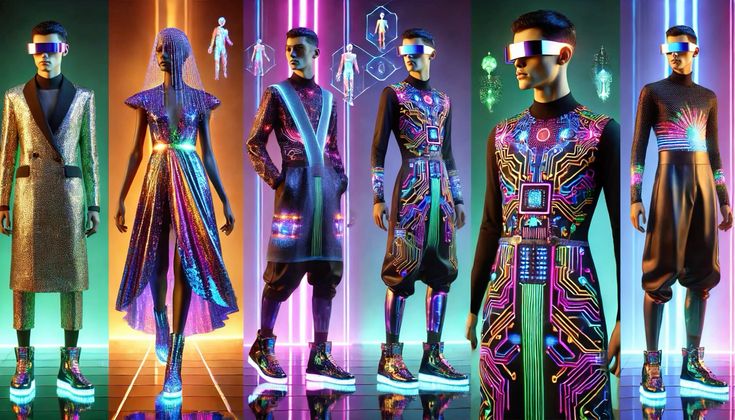
Wearable technology failed as a standalone aesthetic because consumers refuse to look like cyborgs. The solution driving the current hardware revolution is simple: disguise advanced tech inside established luxury design codes. By embedding biometric sensors and ambient computing directly into high-fashion accessories, tech companies bypass the adoption friction of gadget anxiety. The era of glowing blue LEDs and clunky plastic chassis is dead. Today, the most successful smart wearables are those that completely hide their technological capabilities behind the veneer of traditional designer status symbols.
What Is “Quiet Tech” in Luxury Fashion?
Quiet tech is the intentional obscuring of electronic hardware beneath premium materials. Acetate. Titanium. Calfskin leather.
It flips the classic Silicon Valley paradigm on its head. Instead of advertising the device’s processing power, manufacturers now advertise its invisibility. You wear the item for its status. The technology is just an invisible feature set until it’s not.
Consumers demand hardware that communicates social capital first and digital connectivity second. The average buyer cares more about the silhouette of their frames than the micro-processors hidden in the temples. It is a psychological play. Tech companies realized that selling a $500 computer for your face is hard. Selling a $500 designer accessory that happens to play music and take photos is remarkably easy.
This shift isn’t a coincidence. It is an act of survival.
How to Spot the Shift: Hardware Disguised as Haute Couture
Look at your wrists. Look at the faces of people walking down the street. The transformation is obvious once you know what to look for.
Rings replacing wristbands: The migration from bulky rubber fitness trackers to sleek titanium bands. People want biometric tracking without the aesthetic penalty of a glowing LCD screen at a black-tie event.
Audio embedded in classic silhouettes: Rather than sticking plastic nodes into ear canals, audio drivers are baked directly into the arms of premium acetate sunglasses.
Analog faces on digital minds: Smartwatches that hide OLED screens behind mechanical hands and brushed steel bezels.
Consider the optical market. A tech brand trying to invent a new eyewear shape from scratch is doomed to fail. Consumers already know what they want on their faces. They want iconic shapes. They want the sharp, angular intimidation of cat-eye frames or the classic rebellion of thick black square frames. A buyer browsing for Saint Laurent sunglasses is looking for a specific attitude, a curated edge. They aren’t looking for a wearable device.
If a tech company wants that consumer’s money, the smart glasses must perfectly mimic that exact high-fashion attitude. The tech must conform to the fashion, not the other way around. Fashion houses hold the monopoly on facial real estate. Tech companies are just renting it.
Why Are Silicon Valley Giants Outsourcing Aesthetic Design?
Because engineers are terrible at designing things people actually want to wear.
Tech companies spent a decade trying to force-feed sci-fi aesthetics to the general public. They failed. Spectacularly. Remember the early iterations of smart eyewear? They were universally mocked. They were socially isolating. They signaled surveillance rather than good taste.
Silicon Valley operates on logic: better features equal a better product. Fashion operates on emotion, identity, and exclusivity. These are incompatible worldviews. To bridge the gap, tech giants simply started buying cultural cachet. They partner with European fashion conglomerates to wrap their circuit boards in brand equity.
The financial data proves this strategy works. Market analysts at Grand View Research project that the global wearable technology market size will reach $229.9 billion by 2033. That exponential growth curve isn’t driven by nerds buying bigger processors. It is driven by ordinary consumers buying beautiful things that happen to be smart.
When a luxury brand slaps its logo on a wearable, the price elasticity stretches. The profit margins explode. It is textbook marketing synergy. The tech company gets access to the luxury buyer. The fashion house gets to claim innovation without having to hire a thousand software engineers.
How Does the Smart Eyewear Market Benefit from Luxury Branding?
Eyewear is the most intimate accessory you can own. It sits right on your face. It dictates how the world perceives your eyes.
When a consumer evaluates the smart eyewear market, the purchasing decision is 90% emotional and 10% rational. A camera and a speaker are commodities. The shape of the frame is an identity.
Here is exactly how luxury branding manipulates the smart eyewear equation:
Price Justification: Consumers balk at a $300 unbranded tech gadget. They routinely spend $400 on designer sunglasses that do nothing but block UV rays. Combine the two, and a $500 smart frame suddenly looks like a bargain.
Social Camouflage: A luxury brand acts as a social shield. If the frames look like a standard piece of high-end fashion, the wearer avoids the stigma of being an early adopter.
Retail Placement: Tech is sold in sterile electronic stores. Luxury fashion is sold in boutiques with champagne and attentive associates. The context of the sale changes the perceived value of the item.
The growth is accelerating. The smart glasses market size is forecast to hit $14.4 billion by 2033, growing at a massive 24.2% CAGR. This explosive trajectory relies entirely on convincing the fashion-conscious public that these devices belong on the runway, not just in the server room. Without luxury branding, smart glasses remain a niche utility. With luxury branding, they become a mandatory wardrobe staple.
What Is the Reality of Consumer Adoption for Biometric Jewelry?
Fingers are the next frontier. Smart rings represent the ultimate distillation of the quiet tech philosophy.
A ring has almost zero surface area. There is no screen. There are no buttons. It is pure sensor packaging masquerading as traditional jewelry. This is where the aesthetic tech convergence is most aggressive.
Tech companies are pushing materials like brushed titanium, gold PVD coatings, and matte ceramic. They are hiring jewelry designers to obsess over millimeters of thickness. Why? Because a ring must pass the wedding band test. If it looks like a medical device, it fails. If it looks like a high-end minimalist accessory, it scales.
The numbers don’t lie. According to recent data, the smart rings market is expected to surge to $2,079.3 million by 2033. The buyers aren’t just bio-hackers optimizing their sleep cycles. They are affluent consumers who want continuous health monitoring wrapped in an aesthetically pleasing package. This sector proves the overarching thesis: miniaturization only wins when paired with premium aesthetics.
How to Build a Marketing Strategy for Aesthetic Tech?
If you are pushing a connected device to a premium demographic, your marketing playbook needs a complete rewrite. You aren’t selling megahertz or battery life anymore. You are selling an aspiration.
First, strip all technical jargon from the hero copy. Nobody cares about the specific millimeter-wave protocol your device uses. They care about how the device makes them feel when they walk into a restaurant.
Second, rethink the visual framing. Stop shooting macro photography of circuit boards. Start shooting lifestyle editorials. Use harsh flash photography. Hire models who look bored and expensive. Place the product in contexts of extreme leisure or aggressive urbanity. The visual language must scream high fashion.
Third, manufacture scarcity. Tech products rely on mass distribution to drive down manufacturing costs. Luxury relies on artificial scarcity to drive up perceived value. You must choke the supply. Release the product in drops. Partner with boutique retailers that refuse 90% of the brands that apply for shelf space. Make the consumer work to acquire the item. When consumers have to jump through hoops to buy a product, they convince themselves the product is superior before they even turn it on. It is an exploitation of cognitive dissonance. Marketing aesthetic tech requires this exact level of cynical psychological manipulation.
How Will the Luxury Industry Navigate Future Tech Integration?
The luxury market is historically resistant to change. Heritage brands sell tradition. Tech sells obsolescence.
A designer handbag from 1995 is a vintage treasure. A smartphone from 2015 is toxic e-waste. Reconciling these two timelines is the biggest hurdle for luxury gadget integration.
Currently, the luxury fashion sector is facing macroeconomic headwinds. A recent McKinsey report projects that the global fashion industry will post low single-digit growth in 2026. To combat this stagnation, fashion houses desperately need new revenue streams. Wearables offer a high-margin lifeline. They will integrate tech, but on their own strict terms.
Modular Tech Cores: Brands will design luxury shells with swappable electronic cores. When the battery degrades in two years, the consumer buys a new tech insert, preserving the expensive designer housing.
Software-Defined Exclusivity: Limited edition digital watch faces. Exclusive augmented reality experiences tied to physical garments. The luxury moves from the hardware to the software layer.
Invisible Health Monitoring: Garments woven with conductive threads that track heart rate without a single visible component. The ultimate luxury is perfect health, discreetly monitored.
To understand where future wearable concepts are heading, stop looking at Silicon Valley keynotes. Look at Milan and Paris. The engineers have surrendered control of the chassis. The designers are in charge now.
What Is the Core Takeaway for the Market?
The era of the pure tech gadget is closing. To survive the next decade, hardware manufacturers must submit to the aesthetic rules governed by luxury houses. Consumers have drawn a hard line. They will not sacrifice their personal style for digital utility. The brands that fail to understand this psychological barrier will be relegated to the clearance bins of discount electronics stores. The brands that successfully merge silicon with high-fashion silhouettes will command the premium margins of the luxury sector. The math is brutal but undeniable.