Essential Seasonal AC Maintenance Tips for Every Homeowner
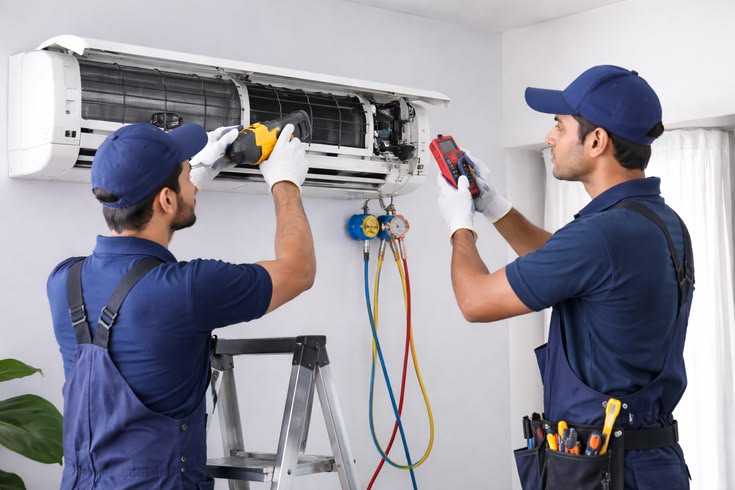
Most people don’t think about their air conditioner until it stops working. That’s just how it goes. The thing hums along in the background for months, and then one day it doesn’t. Suddenly it’s the only thing you’re thinking about. The frustrating part is that a good chunk of those breakdowns are preventable. A little bit of attention spread out across the year does more for your system than people realize, and it’s a lot cheaper than dealing with a full-blown failure in the middle of July.
You don’t need to be a technician to keep your system in decent shape. Most of what matters is just paying attention: noticing when something sounds off, swapping parts before they wear out completely, and not ignoring small issues that tend to snowball. When people skip this stuff for a year or two, that’s usually when we start hearing from people looking for AC repair in Des Moines right as the temperature spikes, which is exactly the moment you don’t want to be without cooling. A little maintenance now saves you from being that person later.
Spring: Wake the System Up Properly
Once the weather starts turning, it’s worth giving your AC a real look before you actually need it. Turn it on for a test run on a cool day, not a scorching one, so if something’s wrong you’re not stuck sweating while you wait for a fix. Listen for weird noises. Check that cool air is actually coming out of the vents and not just air. This is also a good time to clear off the outdoor unit, since it’s probably spent the winter buried under leaves, dirt, or whatever else blew into your yard.
- Replace or clean the air filter
- Clear debris and overgrown plants away from the outdoor unit
- Straighten any bent condenser fins
- Confirm the thermostat is working and accurately reading temperature
Summer: Keep Up with It While It’s Working Hard
Summer is when your system earns its paycheck, running for hours every single day, so this is the season where small neglect turns into real problems fastest. Check your filter monthly during peak use, not annually, because a dirty filter here does more damage in less time than at any other point in the year.
Keep an eye on your energy bills too. A sudden jump without a heat wave to explain it usually means the system’s working harder than it should be, and that’s worth looking into before it becomes a full breakdown instead of a quick tune-up.
Fall: Give the System a Breather and a Look-Over
Fall’s a good time for a proper inspection, mostly because your system isn’t under constant load and a technician has room to actually catch things instead of just patching symptoms. This is when a lot of underlying issues, like worn belts, loose electrical connections, or refrigerant that’s a little low, get caught before they turn into bigger headaches.
It’s also, weirdly, the point where people’s minds shift toward heating, and this is usually the smartest window to schedule anything related to heating repair in Ankeny, since getting ahead of it beats discovering a broken furnace on the season’s first genuinely cold morning.
Winter: Don’t Just Forget About It
Your AC’s not running, sure, but that doesn’t mean it should be totally ignored. Covering the outdoor unit protects it from ice, debris, and whatever winter throws at it, though you’ll want a breathable cover, not something that traps moisture underneath and causes its own problems.
Clear leaves and branches away from the unit periodically. And if you’ve got a heat pump instead of a standard furnace, that thing is working through winter too, so it still needs regular filter changes and the occasional check-in.
The team at Anthem Home Comfort can help you stay ahead of costly repairs all year round. Schedule your seasonal maintenance visit today and keep your home comfortable no matter the forecast.
Small Habits, Real Payoff
None of this is complicated. Swap filters on a schedule instead of whenever you happen to remember. Keep the area around your outdoor unit clear. Get a professional look-over once or twice a year, ideally before the seasons where you’ll actually need the system most. None of it takes much time, but skipping it consistently is how a low tune-up turns into a huge repair bill down the line.
Systems that get looked after regularly last longer, run more efficiently, and break down a lot less often, which really is the whole point.