Who Pays My Medical Bills While My Accident Claim Is Pending?
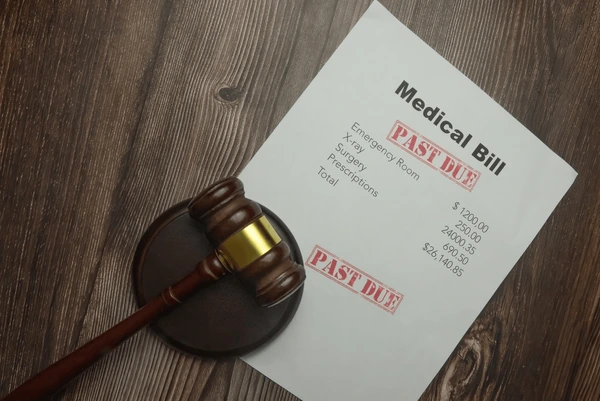
El Paso is a beautiful city in West Texas, known for its scenic desert landscapes, vibrant communities, and busy roadways. Residents and visitors travel daily along major routes such as Interstate 10 and U.S. Highway 54. However, accidents can happen on these roads, leaving victims with unexpected injuries and medical expenses. Following an accident, many victims wonder who will pay their medical bills while their claim is pending.
You are generally responsible for paying your medical bills while your accident claim is pending, but you may have several options to manage these expenses. Your health insurance, auto insurance medical coverage, or a medical payment arrangement with your healthcare provider may help cover treatment costs until your claim is resolved. The responsible party does not automatically pay your bills as they arise.
Managing medical expenses while recovering from an accident can be stressful, especially when you are unsure how long the claims process will take. Seeking legal guidance from an experienced law firm, such as The Law Office of Abrar & Vergara in El Paso, can help you understand your payment options, protect your interests, and determine how to handle outstanding medical expenses.
Your Health Insurance May Cover Initial Treatment Costs
If you have health insurance, you can generally use it to pay for medical treatment following an accident. Your insurance provider may cover expenses such as emergency room visits, hospital stays, diagnostic tests, medications, and rehabilitation, depending on your policy.
However, you may still have to pay deductibles, copayments, or other out-of-pocket expenses. If your health insurance covers treatment related to an accident, the provider may also have a right to recover certain payments from your eventual settlement. This process is known as subrogation.
Using health insurance can help you continue receiving necessary treatment without waiting for your personal injury claim to resolve.
Auto Insurance May Provide Medical Payments Coverage
If you were injured in a car accident, your auto insurance policy may include medical payments coverage, commonly called MedPay. This coverage can help pay reasonable medical expenses resulting from an accident, regardless of who was responsible for the collision.
MedPay may cover expenses such as ambulance services, hospital treatment, doctor visits, and other eligible medical costs. The amount available depends on your policy limits.
In some situations, Personal Injury Protection (PIP) may also cover medical expenses and other accident-related losses. PIP is required or available under certain state insurance laws, depending on where the accident occurred.
Healthcare Providers May Agree to a Medical Lien
If you do not have health insurance or cannot afford your immediate medical expenses, some healthcare providers may agree to treat you under a medical lien arrangement.
Under this arrangement, the provider agrees to delay collecting payment until your personal injury claim is resolved. The outstanding medical charges are then paid from your settlement or court award, subject to the agreement.
However, not every healthcare provider accepts medical liens. Before agreeing to this arrangement, understand the payment terms, the amount you may owe, and what happens if your claim does not result in compensation.
You May Have to Pay Certain Expenses Out of Pocket
Sometimes, you may need to pay for medical expenses yourself while your accident claim is pending. This can happen when your insurance coverage is limited, a particular treatment is not covered, or a healthcare provider does not accept delayed payment arrangements.
Keep receipts, invoices, prescription records, and other proof of every accident-related expense. These documents can help establish the financial losses you experienced and support your request for compensation.
You should also avoid delaying necessary medical treatment simply because your claim has not been settled. Gaps in treatment may make it harder to establish the extent of your injuries.
The At-Fault Party Usually Pays Through a Settlement
In most personal injury cases, the at-fault party does not directly pay your medical bills while your claim is ongoing. Instead, their insurance company may pay compensation through a negotiated settlement or court award.
Once the claim is resolved, the settlement may include eligible medical expenses, lost wages, pain and suffering, and other damages. Any outstanding medical bills, insurance reimbursement claims, or agreed medical liens may need to be paid from the settlement proceeds.
The amount you ultimately receive depends on the available coverage, evidence of liability, and the damages established in your case.
Pro Tip
Do not assume that your settlement amount will be entirely yours to keep. Before accepting an offer, ask your attorney to review outstanding medical bills, insurance reimbursement claims, and medical liens. Understanding these obligations can help you estimate how much compensation you may actually receive.
Key Takeaways
- Health insurance can help cover medical expenses while your accident claim is pending.
- MedPay and PIP coverage may provide additional financial support after a car accident.
- Some healthcare providers allow patients to delay payment through medical lien arrangements.
- Keep all medical bills, receipts, and treatment records to support your compensation claim.
- The at-fault party generally pays eligible medical expenses through a settlement or court award rather than paying bills as they arise.